



Building a Teenage Elle From the Archive Up
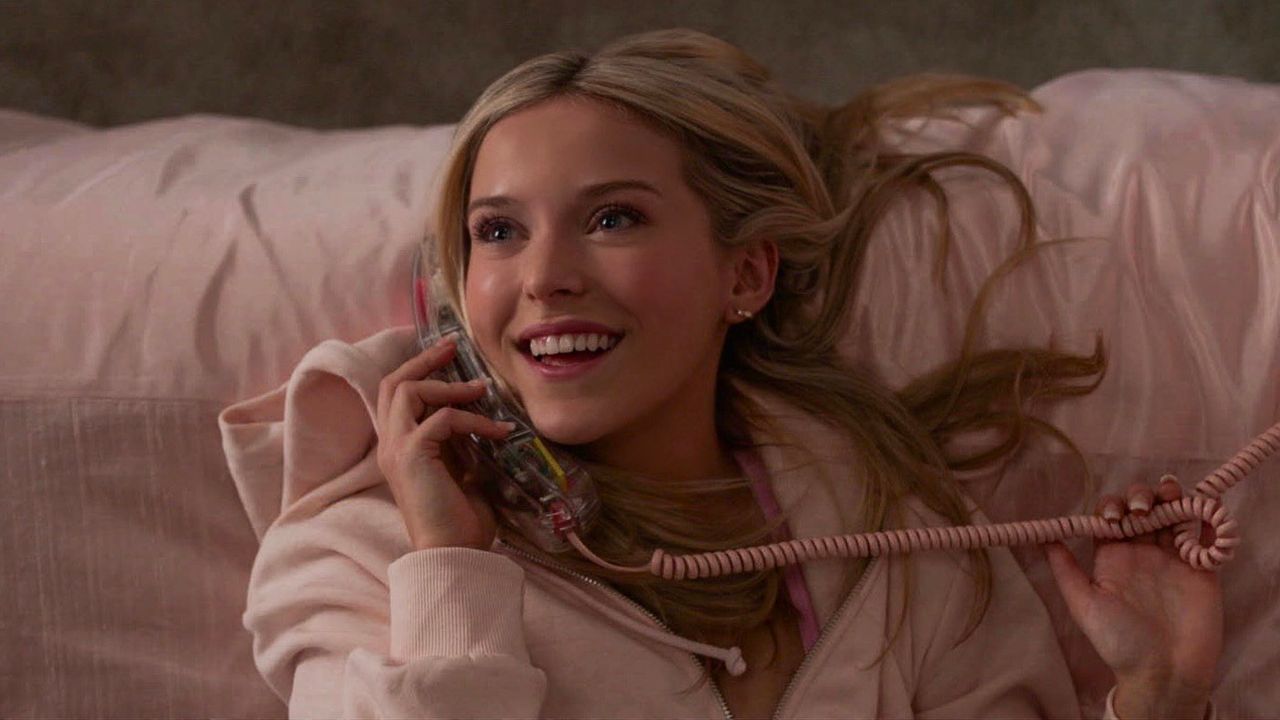
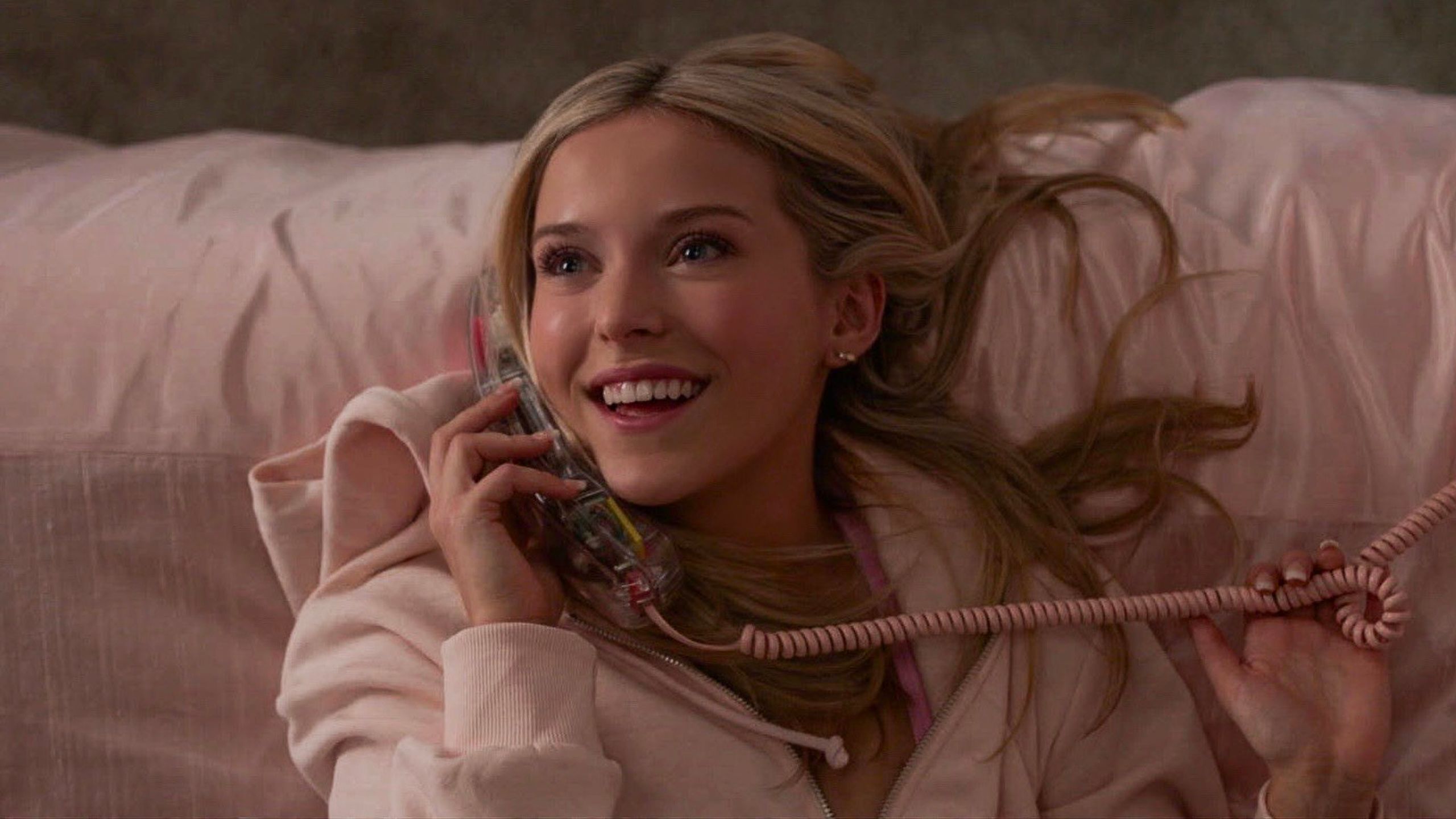
The Legally Blonde origin story has finally arrived – and with it, a meticulous beauty department tasked with one of the more specific challenges in recent television: making actress Lexi Minetree look like a mid-1990s California teenager who would one day become Elle Woods. The prequel series, titled Elle, required hair and makeup designers to work backward from an iconic character and forward from a very particular historical moment, landing somewhere that is both recognizable and entirely its own.
That meant period-accurate products, not just period-inspired vibes.
The designers behind the series went on record about their process – the references they pulled, the specific formulas they reached for, and how much the mid-90s beauty landscape shaped every decision they made. What emerged is a portrait of an era when pink lip liner ruled, hair volume was architectural, and teenage girls in Malibu-adjacent zip codes had a very specific relationship with sun-kissed skin and frosted everything.
What Mid-90s Actually Means for Hair and Makeup
The mid-1990s are a surprisingly tricky decade to recreate with accuracy. The aesthetic sits in a narrow corridor between the bold, high-contrast makeup of the late 1980s – heavy liner, matte lip, dramatic contour – and the stripped-back minimalism that would define the late 1990s and early 2000s. The sweet spot is glossy, warm, and deliberately youthful, with a specific California softness that reads differently than, say, a New York version of the same era.
For Lexi Minetree’s version of a teenage Elle Woods, the hair and makeup team anchored the look in what was actually available and popular at the time. That meant pulling historically accurate products – formulas and lines that existed in 1994 and 1995 – rather than modern approximations. The distinction matters more than it sounds. A contemporary luminizer used to approximate 90s dewiness reads differently on camera than the actual textures of that decade, which had a particular kind of warmth and flatness that modern skin-prep products don’t quite replicate.
Hair, for its part, leaned into the volume-forward, deliberately styled look that teenage girls of that era wore with complete conviction. The mid-90s were not a decade of effortless texture. Hair was done. It was round, it was bouncy, it held its shape, and it was very often highlighted in ways that telegraphed access and aspiration – exactly the language Elle Woods has always spoken.
The Products and References That Actually Built the Look
Working from period references isn’t just about flipping through magazines from the era – though that’s part of it. The hair and makeup designers on Elle used those mid-90s touchstones to reverse-engineer a specific character at a specific age. Elle Woods at 16 or 17 is not Elle Woods at Harvard Law. She’s still forming the aesthetic that will later become her signature, which means the look needed to feel like a beginning – the building blocks of a character who takes her appearance seriously, but hasn’t yet perfected it into armor.
That nuance is what separates a costume department pass at the 90s from a genuine deep dive. The team’s commitment to historically accurate products grounds the performance in something tactile and real. When the lip color, the hair texture, and the skin finish all belong to the same moment in time, the artifice disappears – the character simply looks like she exists in that year. The alternative, mixing contemporary beauty with vintage references, tends to produce a version of the past that modern audiences find vaguely flattering rather than genuinely transported by.
For the skin, the aesthetic the team built around Minetree sits in that particular 90s register: warm rather than cool, lightly luminous rather than dewy, with a finish that photographs as natural but is clearly constructed. The lip work, consistent with mid-90s California teen beauty, would have skewed toward the era’s signature combinations – liner slightly deeper than the lip itself, gloss or a satin-finish color on top, everything pointing toward a kind of deliberate prettiness that the decade wore without irony. The brow, crucially, reflects the period: fuller than the over-plucked arch that would take over by the late 90s, but with shaping that still signals someone paying close attention to her face.
Why the Prequel Format Demands This Level of Commitment
A prequel carries a unique burden that sequels and standalone stories don’t. The audience already knows who this character becomes, which means every detail in the earlier timeline is read as either consistent with that future or in tension with it. A beauty team working on Elle isn’t just creating a look – they’re creating a before, and the before has to earn its relationship to an after that millions of people have already memorized. The pink. The hair. The polish. The specific way Elle Woods uses beauty as vocabulary. None of that appears fully formed in the prequel, but all of it has to be legible in embryo.
Lexi Minetree stepping into that role means her physical transformation carries as much narrative weight as her performance. The hair and makeup designers understood that assignment – their period research, their historically accurate product choices, their mid-90s reference library – all of it is in service of a character whose appearance is inseparable from who she is. Elle Woods without her beauty rituals is not Elle Woods. The prequel has to show those rituals in formation, which is a far more interesting problem than simply recreating the finished version.
Whether the series delivers on that promise across its full run is a question the episodes will answer. But the beauty department, working from archived formulas and decade-specific references, has already done something worth noting: they built a version of a beloved character’s past that is historically grounded, character-driven, and visually specific enough to hold up to an audience that has been watching Reese Witherspoon in that pink suit for over two decades. The question now is whether Minetree’s teenage Elle earns the mythology – or whether the gap between who she is in the prequel and who she becomes at Harvard feels like a bridge the show never quite crosses.