







When a Dream Becomes a Business Plan
Beatrice Dixon did not set out to disrupt the feminine wellness industry with a pitch deck or a venture capital meeting. She started with a recurring health problem, a dream, and a list of ingredients her grandmother gave her – while she slept. After battling bacterial vaginosis for months, an infection that disrupts the vaginal microbiome and affects a significant portion of women at some point in their lives, Dixon woke up with something she hadn’t had before: a formula. She mixed it at home, it worked, and the version of her that would eventually build The Honey Pot Company into a multimillion-dollar brand was already in motion.
That origin story sounds unusual because it is. Dixon has never tried to sand down its edges for easier consumption. The strangeness of it – a grandmother appearing in a dream, a handwritten list of botanicals, a woman in her kitchen mixing what would become a nationally distributed product line – is precisely what makes The Honey Pot’s founding mythology stick. Dixon owns all of it, and that ownership has become the brand’s most durable asset.

Face-to-Face Before the Shelf Space
Before The Honey Pot landed in some of the country’s biggest retail chains, Dixon was selling at fairs and festivals, handing products directly to the people she hoped would use them. That physical proximity to customers did something no marketing strategy could replicate: it forced a conversation. Specifically, it forced a conversation about vaginal health – one that many women had never had in a commercial setting, and certainly not with a stranger at a booth. Dixon was the one who broke the ice, every time, by talking about her own experience with bacterial vaginosis without softening the details.
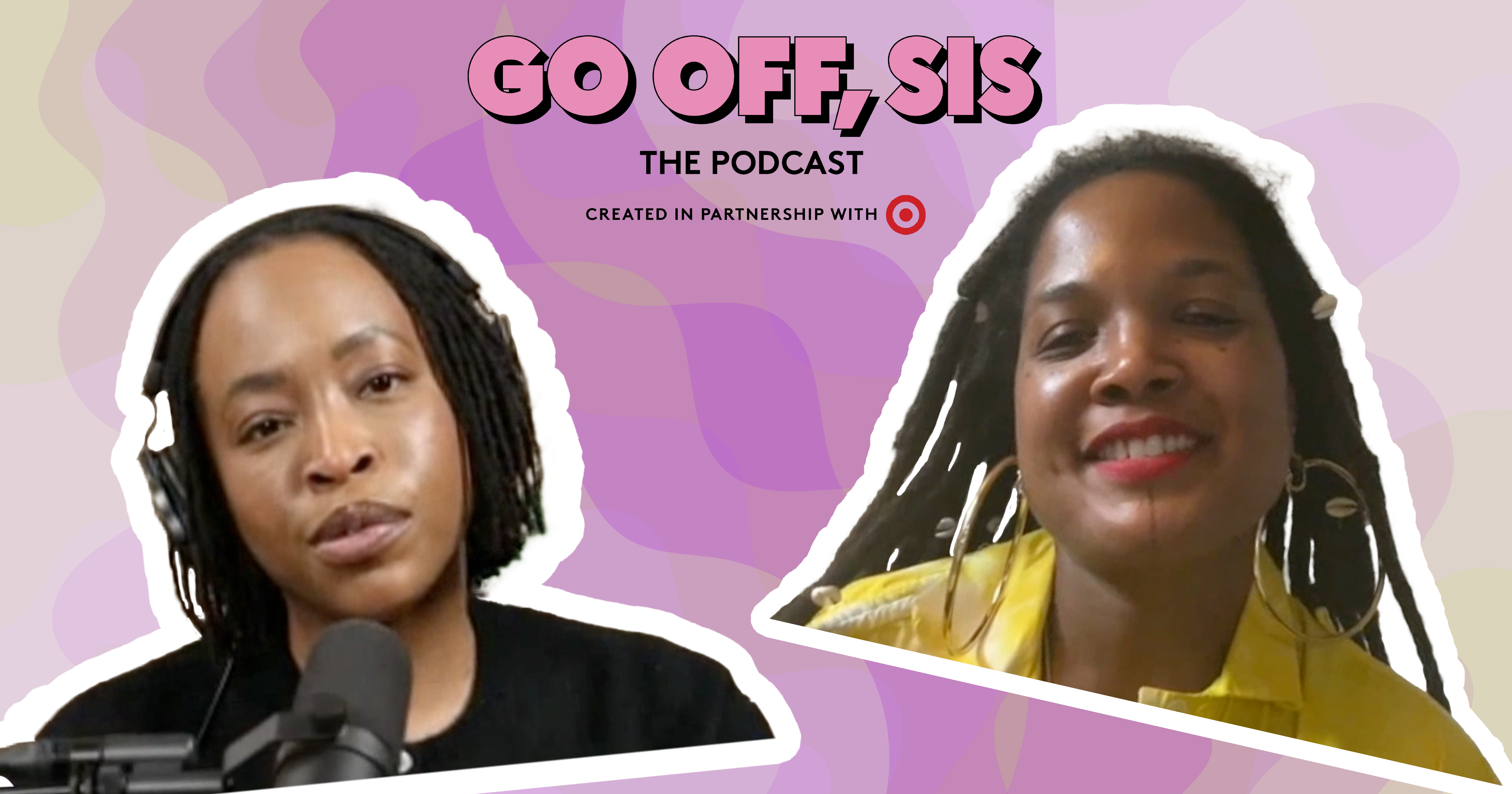
“I was having that conversation just by telling my story,” Dixon said. That transparency was not incidental. It was the business strategy itself. Women who felt seen by her candor became customers, then advocates. The discomfort that surrounds discussions of reproductive and vaginal health – the reflexive embarrassment, the clinical distance – was the exact barrier Dixon was dismantling one honest conversation at a time. She built her initial customer base not through algorithms but through the willingness to say out loud what a lot of people were only thinking privately.
Working alongside her co-founder and brother Simon Grey, Dixon expanded the product line beyond its original scope. What began as a solution to her own bacterial vaginosis grew into a full range covering periods, postpartum care, sexual wellness, and more. The expansion was not a pivot so much as a logical extension – the same philosophy that said let’s talk about this honestly applied whether the subject was an infection, a period, or sex. The brand’s breadth today reflects how far that original discomfort-breaking impulse traveled.


Day Job, Night Formulas, and the Weight of Scaling
None of the growth arrived without the kind of grind that tends to get romanticized after the fact. While she was building The Honey Pot in its early stages, Dixon was also working her day job at Whole Foods. She was making products herself, managing the mechanics of a nascent business on hours that bled into the middle of the night, and eventually fielding calls with manufacturers at whatever hour the time zone difference demanded. The version of entrepreneurship Dixon lived was not an aesthetic – it was exhausting and logistically relentless.
She has described the psychological posture that made it survivable as a specific kind of productive ignorance: not knowing the full weight of what she was attempting, but moving forward anyway inside a self-imposed structure of discipline and personal rules. The limiting beliefs that would have accompanied full knowledge – this is too hard, this is too risky, this has never been done by someone like me – never got enough traction to slow her down, partly because she hadn’t yet accumulated enough data about failure to fear it at scale.
Faith as Infrastructure
Dixon’s framework for building The Honey Pot is inseparable from her spiritual life. She treats the business itself as a spiritual practice – not metaphorically, but as an operating principle. The dream that started the company is not a marketing anecdote she wheels out for press; it is the actual origin, and she continues to work within a worldview where intuition, faith, and discipline are load-bearing elements of how decisions get made.
“I think that it’s really important that there is, like, an undeniable, unshakable, religious, almost crazy, insane belief in yourself, because you have to believe that you can do anything,” Dixon said. That framing – religious, almost crazy, insane – is deliberate. She is not describing quiet confidence or a self-help-adjacent mindset. She is describing something closer to conviction that functions regardless of external evidence, which is, practically speaking, the only kind that survives the early years of building anything from nothing.
She is also clear that the belief has to be built on something real. Running a business, in Dixon’s view, is not for everyone, and she does not pretend otherwise. Confidence without the willingness to work at the hours the work demands is not a business strategy – it is a mood. Dixon has always been a hard worker, and she contextualizes that trait not as a virtue she performed but as a baseline requirement that allowed everything else to function. The faith gave her direction; the discipline gave her the structure to move in it.

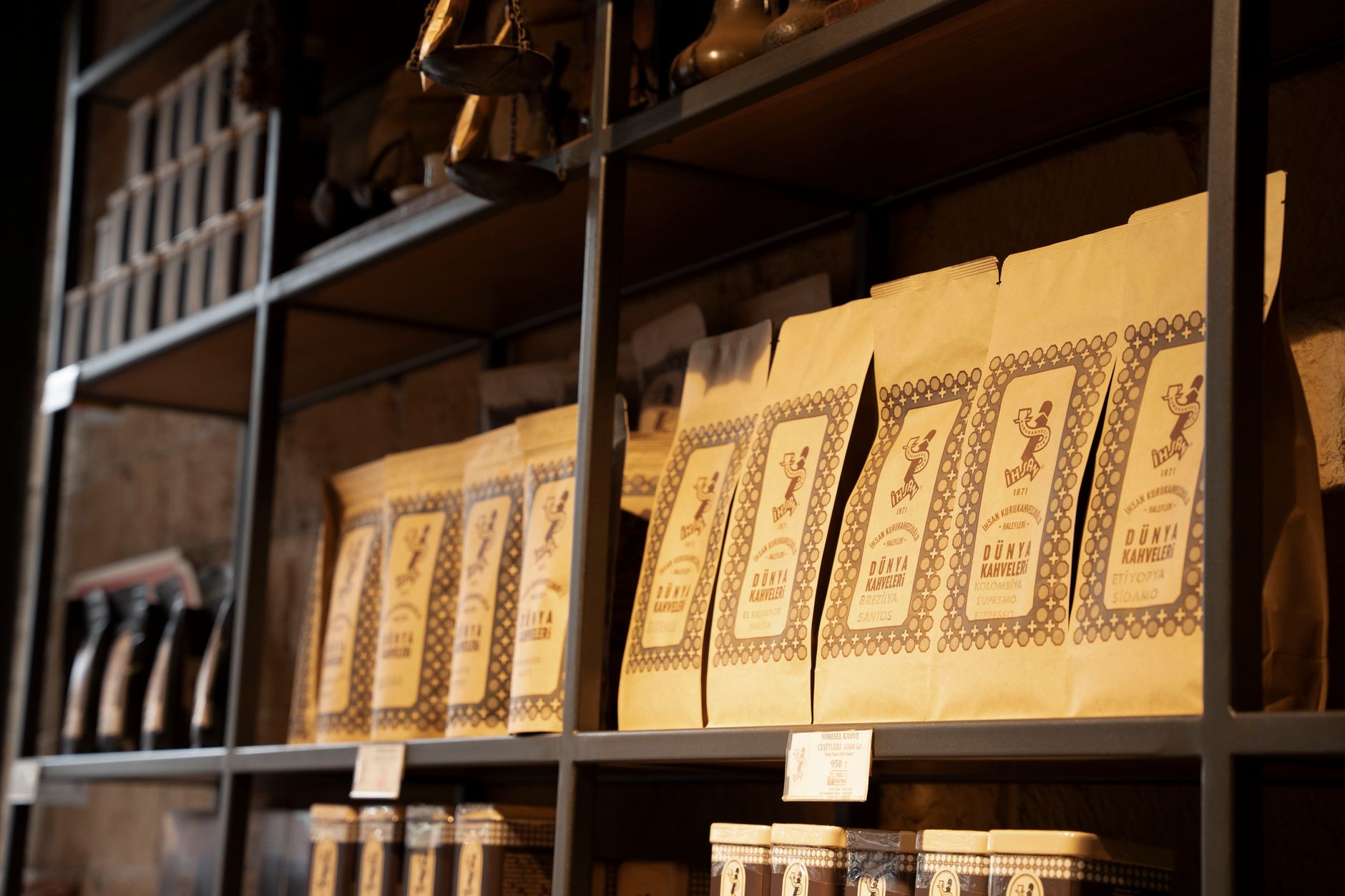
The Honey Pot’s products are now stocked in some of the largest retail chains in the United States – a distribution footprint that began with Dixon at a festival booth, talking to strangers about bacterial vaginosis. Simon Grey is still her co-founder. The grandmother who appeared in the dream never got to see the shelves.