



The End of an Aesthetic
The season three finale of Euphoria has arrived, and with it comes the official close of one of television’s most visually distinct beauty languages. The HBO drama, which built a devoted following as much for its makeup artistry as for its storytelling, aired its final episode this week – ending a run that reshaped how beauty is discussed, imitated, and sold outside the screen.
At the center of that conversation, consistently, was Maddy Perez – the character played by Alexa Demie whose rhinestone-encrusted lids, sharp liner, and unapologetic maximalism became the show’s defining visual signature. Her look was not background; it was argument.
What Maddy Perez’s Look Actually Meant
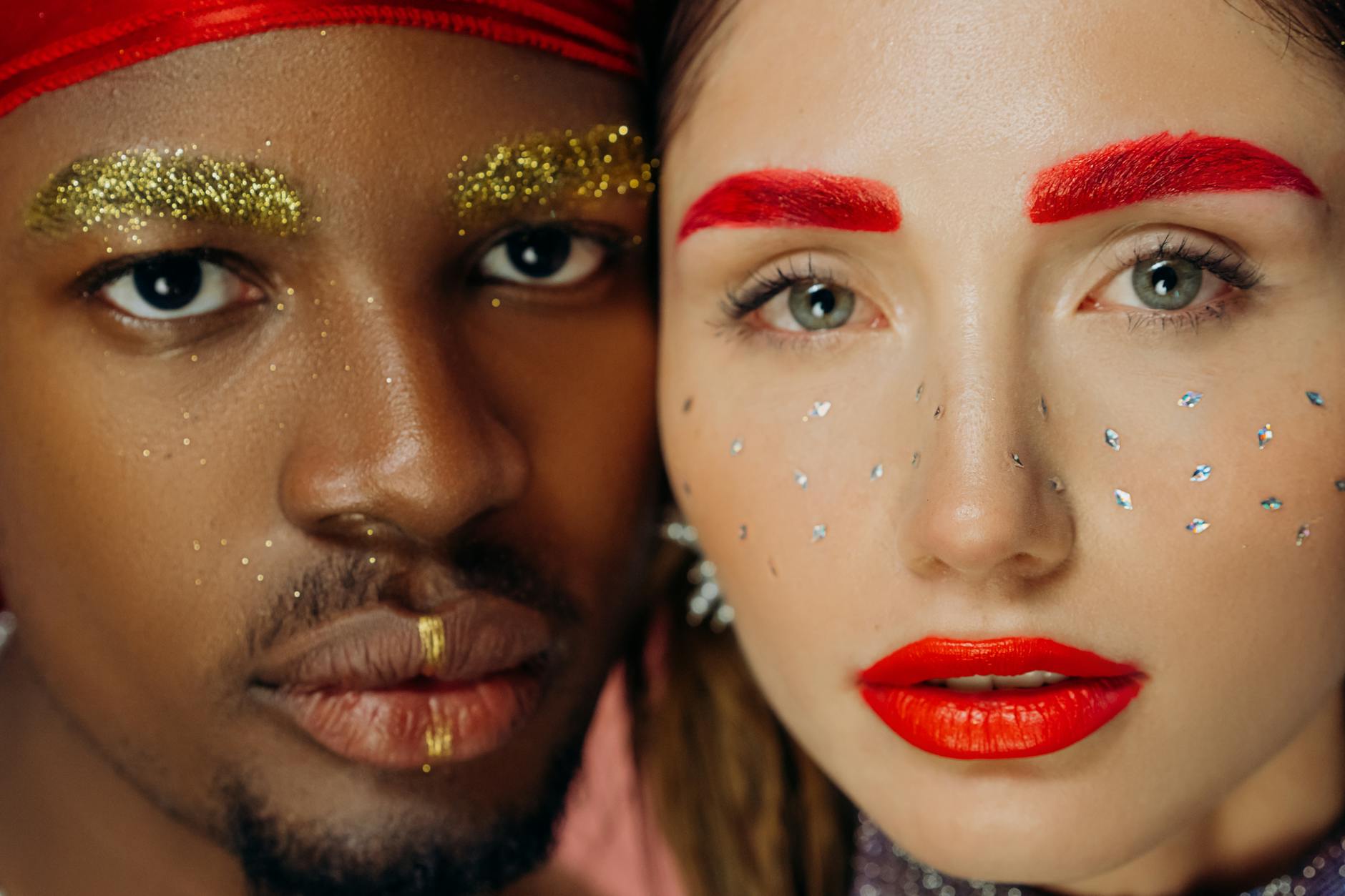
From the first season forward, Maddy’s beauty aesthetic operated as character development worn on the face. The graphic liner – precise, confrontational, never accidental – communicated power and performance in a way the scripts sometimes didn’t need to spell out. Other characters on Euphoria had elaborate looks of their own, but Maddy’s carried a specific kind of social armor quality that made it the most talked-about.
Alexa Demie’s portrayal leaned into this deliberately. The jeweled undereye looks, the contoured skin, the brows shaped to project confidence rather than softness – each episode’s iteration felt like a costume decision elevated to the level of a runway directive. The makeup team working on the show understood that for Maddy specifically, beauty was a form of control in a storyline where control was frequently being stripped away.
That tension between decoration and defense is what gave the character’s aesthetic its longevity in beauty culture. Fans did not just replicate the looks because they were striking – though they are – they replicated them because the looks communicated something emotionally legible: I have shown up fully, and I am not asking for permission. That is a harder thing to manufacture than a rhinestone placement tutorial, and it explains why Maddy’s beauty presence outlasted individual episodes and became a reference point that makeup artists and beauty editors kept returning to throughout the show’s entire run.
A Show That Treated Makeup as Set Design
Euphoria – across all three seasons – approached makeup the way a production designer approaches a set: as a world-building tool with its own internal logic. The show’s beauty direction, handled by makeup department head Doniella Davy, established a visual vocabulary that filtered into editorial shoots, runway presentations, and drugstore product launches. The glitter liner spike that appeared in season one was being spotted on runway models and in advertising campaigns within months of the episode airing.
That kind of cultural velocity is rare for a television property, and it happened precisely because the beauty on screen was treated as high-concept rather than cosmetic afterthought. The same philosophy Peter Philips brings to Dior’s runway beauty – where makeup tells a story independent of the clothes – was operating every episode on a prestige drama watched by millions. The result was a beauty conversation that moved between TV recaps and fashion week coverage with unusual ease.
The Finale and What Gets Left Behind
Season three’s finale does not simply conclude plotlines – it closes out a beauty era with it. The show will not continue. There will be no season four Maddy look to dissect, no next episode to provide a new reference image for a rhinestone tutorial on TikTok. The archive is now fixed.
That finality matters in a beauty context because Euphoria‘s influence was still actively generating product development cycles and trend conversations at the time of its finale. Brands that leaned into the show’s aesthetic – graphic liner, colorful shadow, jewel embellishment around the eye – were still merchandising those angles when the final episode dropped. The show ending does not immediately reverse those trends, but it removes the engine that kept refreshing them.
Maddy Perez, specifically, leaves behind a character beauty profile that is unusually complete. Most TV characters’ looks fade from reference the moment a show wraps. Maddy’s has enough cultural weight, and enough documented detail across three seasons, to remain a working reference in beauty education and editorial contexts for years. The precision of the liner work alone – how it was adapted across different skin states, different emotional registers within scenes – gives makeup artists something technically substantive to study.
Alexa Demie brought the character to life across the show’s full run, and the final episode marks the last time that collaboration between performer, character, and makeup direction produces something new. What existed between those three elements – the specific combination of Demie’s bone structure, the character’s psychology, and Davy’s execution – will not be replicated simply by copying a technique. It was a convergence, and the finale is the last frame of it.
The rhinestones are placed. The liner is drawn. The show is over.
What does the beauty industry do with a reference that just became a closed archive, rather than a living, updating source?