




From Trainee to Phenomenon
Katseye went from green recruits in a K-pop training system to cover subjects with something worth saying – and the physical and emotional wear of that climb is written plainly across their story.
The group formed through a process shaped entirely by the K-pop industrial model: rigorous training, high elimination rates, and a debut designed to produce not just performers but fully packaged artists. That mold is demanding by design. What Katseye brought to it was a willingness to absorb every bruise the process handed them and still show up with opinions. The result is a girl group that arrived on the global stage less polished than practiced – and more interesting for it.
Beauty in K-pop has always operated as a kind of armor. The skin prep, the stage makeup, the hair styling – these are not just aesthetic choices but functional ones, meant to hold up under stadium lighting, relentless schedules, and the kind of scrutiny that follows young women in public-facing careers. For Katseye, navigating that system meant learning fast. Makeup routines became muscle memory. Skincare stopped being optional and started being survival.
The group’s members came into the training process at different levels of experience, which means their relationships with their own appearances – with beauty as a tool, as an expression, as a pressure point – developed on different timelines. Some arrived already fluent in the language of stage presentation. Others figured it out mid-performance. That gap, and how they closed it together, shapes what the group looks and sounds like now.
There is a particular kind of confidence that only comes from having looked terrible under bad lighting and recovered. Katseye has that. It shows in how they carry themselves in interviews, in cover shoots, in the ease with which they now inhabit looks that would have swallowed them whole two years ago. They are not performing confidence. They earned it the slow way.
Manon’s Hiatus and What It Revealed About the Group
Manon’s hiatus from Katseye became one of the more closely watched stories in the group’s short public history. In K-pop, absences are rarely explained with much detail, and fan speculation tends to fill whatever space official statements leave open. What Manon’s time away ultimately demonstrated was less about the logistics of her return and more about what the group looked like when one of its central figures stepped back.
Groups built in the K-pop structure are designed to function as units, but the best ones develop individual identities strong enough that any absence registers. Manon’s hiatus confirmed that she had built exactly that kind of presence. The remaining members continued working, continued performing, but the shape of the group shifted visibly. That kind of impact is not something a trainee arrives with. It accumulates.
Her return brought with it the kind of attention that absences tend to generate – and with it, renewed scrutiny of her appearance, her energy, whether she seemed like herself. In an industry where public-facing women are assessed constantly on whether they look well-rested, healthy, and camera-ready, returning from any kind of break carries aesthetic weight that is hard to separate from the professional weight. The two arrive together.
What the hiatus period also did was force a more direct conversation within the group about voice – about who speaks, who leads, who carries the narrative when the lineup is incomplete. Katseye has said publicly that the experience contributed to how they now approach their identity as a group. That includes their visual identity. The beauty choices they make on stage and in editorials are not disconnected from questions of ownership and self-representation. They are the same question, asked through a different medium.
Katseye has been candid about friendship being a working condition as much as an emotional one. When you are building a public face together – agreeing on aesthetics, on presentation, on how vulnerability gets displayed and when it gets withheld – the personal and professional entangle in ways that are difficult to separate. A disagreement about a shoot concept is also a disagreement about how you want to be seen. A conversation about stage looks is also a conversation about identity. The group’s cohesion is not incidental to their output. It is structural.
That kind of intimacy shows up in how they present themselves visually. There is a consistency to Katseye’s aesthetic that does not feel like a stylist’s imposition – it feels negotiated. The matching and the deliberate mismatching, the moments of individual expression inside a unified visual frame, suggest a group that has had real conversations about who they are and what they want to project. Those conversations take time. Manon’s hiatus, whatever else it was, gave them that time.
Finding a Voice, Wearing It Out Loud
The phrase “finding their voice” gets applied to young artists so routinely that it has almost stopped meaning anything. For Katseye, it carries a more literal weight. The K-pop training system develops vocal performance, stage presence, and appearance management simultaneously, which means the voice they were finding was not only musical. It was also visual – a worked-out answer to the question of how they want to look while they are saying what they want to say.
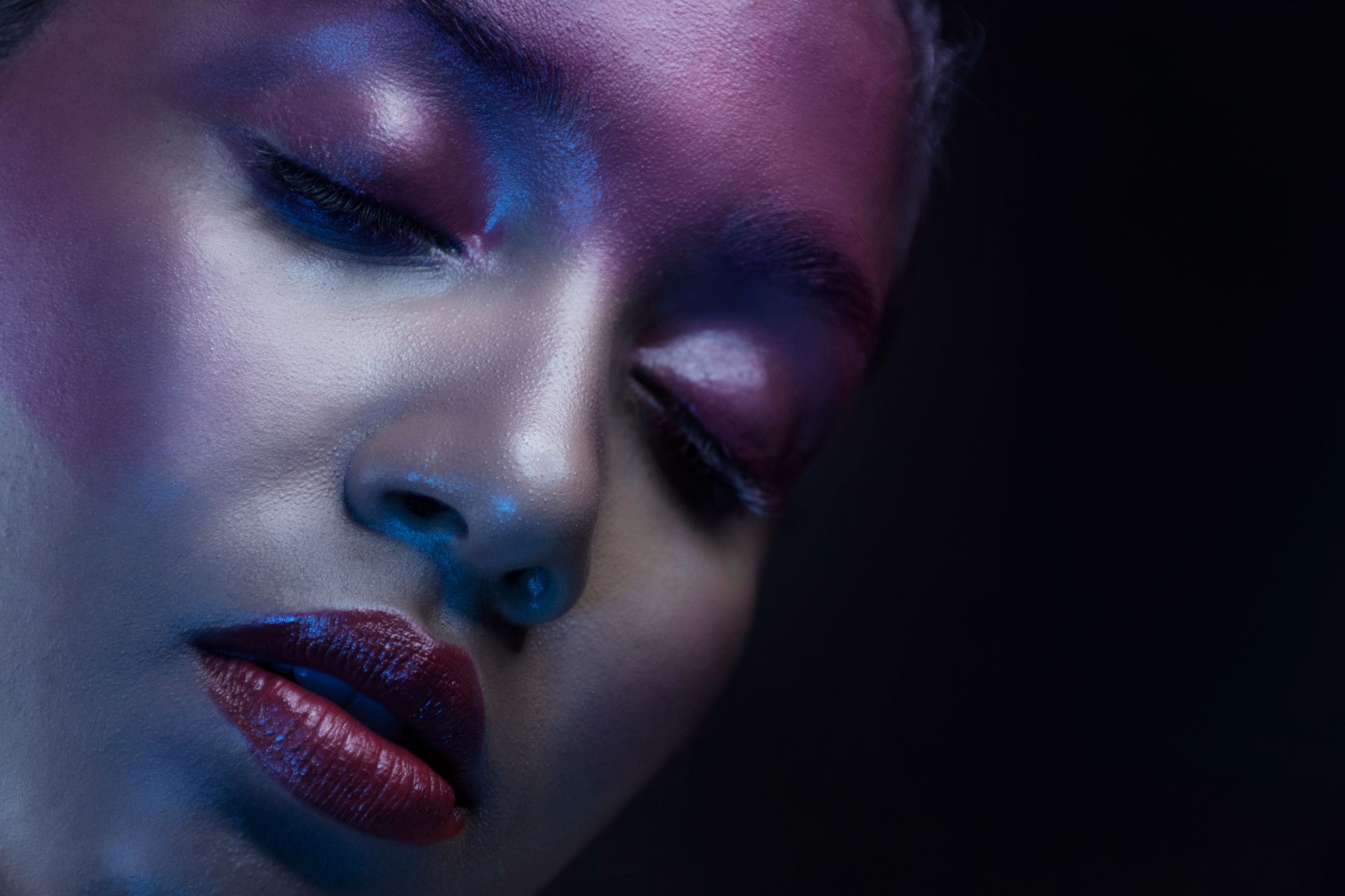
Global sensations is a label that tends to arrive before an artist knows what to do with it. Katseye is still figuring out what the label means for them, which is exactly what makes this moment in their trajectory worth watching. They have the audience. They have the bruises. What they are working out now is what they want those bruises to have been for – and whether the face they show the world is still the one being handed to them, or finally their own.