





A 200-Year-Old Name, A New Product Strategy
Lord & Taylor is marking its 200th anniversary not with nostalgia events or archive exhibitions, but with a concrete commercial move: the relaunch of its private label across women’s apparel and dresses, already available to shoppers now. The two-century-old American department store name is betting that owned brands – not third-party wholesale – are the cleaner path back to relevance.
And footwear is next on the list. Private label shoes and socks are on the agenda, with a licensing model being considered as the likely structure for the shoe category specifically. Men’s wear is also in the pipeline, though women’s fashion is clearly where the brand is planting its flag first.

What’s Already on the Floor
The private label dresses and women’s apparel are live, meaning Lord & Taylor has already cleared the hardest early hurdle – getting product designed, sourced, and in front of customers. Private label is a margin story as much as a brand story: when a retailer owns the label, it controls pricing, production timelines, and the entire customer experience around that product, from hang tag to return policy. For a name rebuilding after bankruptcy and acquisition, that kind of control matters enormously.
Women’s fashion is also a category where private label historically performs well for department stores. Shoppers in this segment are often less brand-loyal at the mid-market level than they are in, say, premium denim or luxury handbags, which gives a retailer-owned label room to compete on fit, price, and design without fighting a recognition battle against established names. Lord & Taylor is working that angle directly.
The broader assortment build – shoes, socks, men’s wear following the women’s launch – suggests a sequenced rollout rather than a simultaneous flood of new categories. That pacing is deliberate. Private label done badly, rushed into too many categories at once, produces undifferentiated product that confuses shoppers about what the brand actually stands for. Lord & Taylor appears to be avoiding that trap, at least in the early innings.

The Footwear Licensing Question
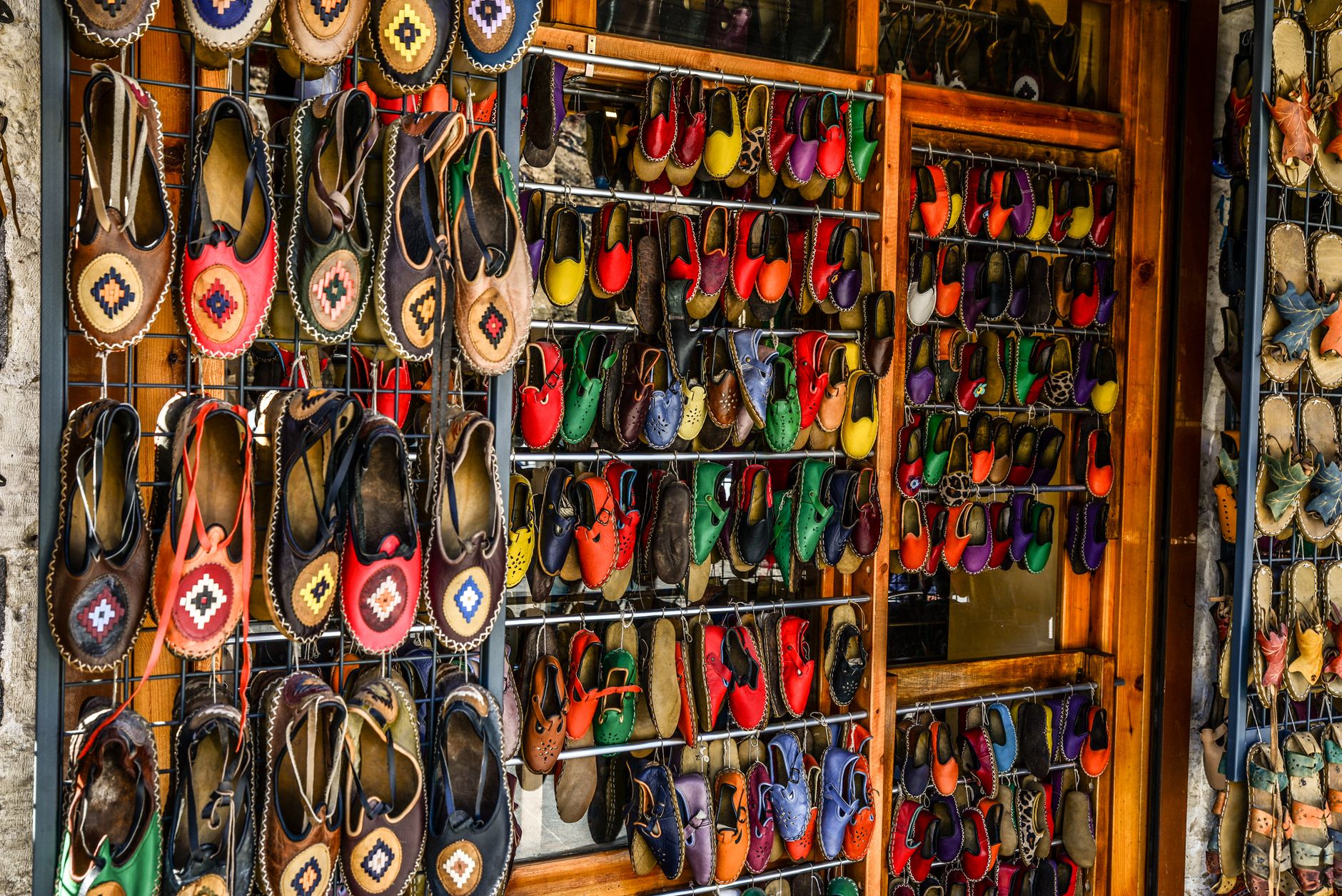
Shoes are where the strategy gets specifically interesting from a footwear perspective. The mention of a potential shoe licensee signals that Lord & Taylor is not planning to manufacture footwear in-house – it’s looking for a specialist partner to produce shoes under the Lord & Taylor name. That’s a standard structure in department store private label footwear, and it makes operational sense. Footwear requires different factory relationships, sizing infrastructure, and materials sourcing than apparel. Finding a licensee absorbs that complexity.
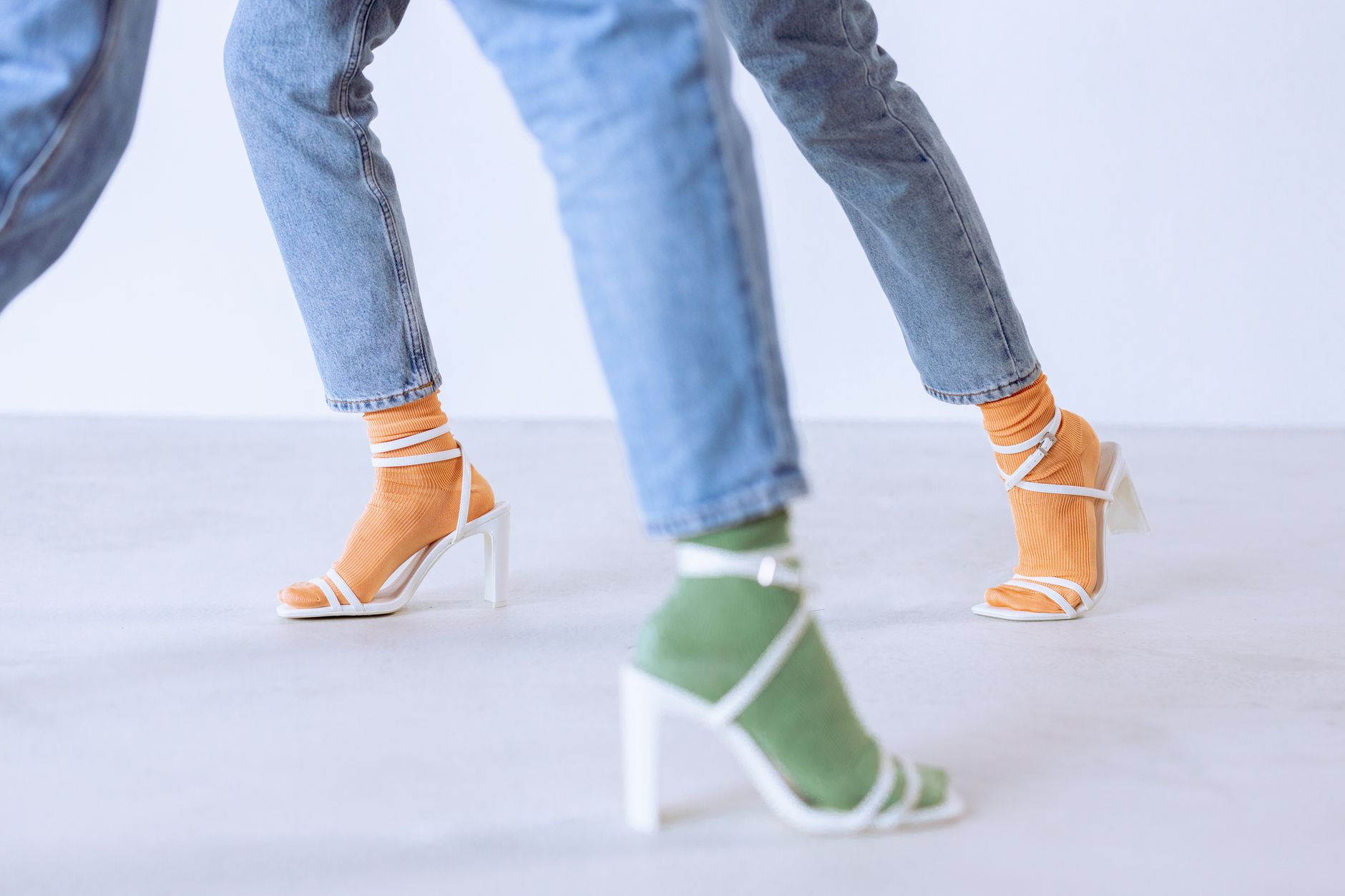
Socks are also on the agenda alongside shoes, which points to a full accessories-tier buildout rather than a single statement category entry. Socks, of course, carry far lower production risk and can move quickly from concept to floor. They also serve as a quiet way to put the private label logo in front of customers repeatedly – a sock is a low-commitment purchase that still builds label familiarity over time.
What the Footwear Category Needs From This
For the shoe side of the business to work under a licensing model, Lord & Taylor needs a partner with the right mid-market manufacturing relationships and a track record in department store private label. The licensee carries the production risk; Lord & Taylor carries the brand. The split sounds clean, but execution depends heavily on whether the licensee understands the current Lord & Taylor customer – who she is now, not who she was in 2019 before the original company filed for bankruptcy.
The original Lord & Taylor filed for Chapter 11 bankruptcy protection in 2020, and the name has since been relaunched as an e-commerce operation. That shift from physical flagship stores – including the iconic Fifth Avenue location sold to WeWork – to a digital-first model changes what private label footwear actually needs to accomplish. Online shoe retail without physical try-on requires precise sizing guides, strong photography, and a clear return policy. A licensed partner would need to build for that channel first, not adapt from a wholesale-to-store model.
The 200th anniversary framing gives the private label push a built-in marketing hook, but the anniversary itself doesn’t solve fit issues, return rates, or the challenge of convincing a digital shopper to trust a private label shoe they’ve never held. Those are the practical walls between where Lord & Taylor’s footwear ambitions sit right now and where they’d need to be to generate real volume.
Men’s wear is slated to follow the women’s launch as well, which would eventually bring the private label program into a category where brand recognition tends to matter more to shoppers and where Lord & Taylor’s name carries different equity than it does in women’s dresses. Whether the shoe licensee deal gets announced before men’s wear launches – or after – is the timeline detail that will say a lot about how quickly this expansion is actually moving.