







The Gray Market Peptide Promising a Shortcut to Bronze Skin
A substance called Melanotan II is circulating on the gray market with one straightforward promise: inject it, and you will get tan. It is unregulated, widely available to anyone willing to look for it, and dermatologists are raising serious concerns about what it actually does to the body once it enters the bloodstream.
Melanotan II is not approved by the FDA.
The appeal is not hard to understand. A tan has carried aesthetic currency for decades – warmth, health, a certain kind of effortless summer glow that skincare brands have spent billions trying to bottle in safer forms. Melanotan II positions itself as something more direct, a peptide that works at the biological level rather than sitting on top of skin. That framing is doing a lot of heavy lifting, and dermatologists are pushing back on the logic behind it.

What Melanotan II Actually Is
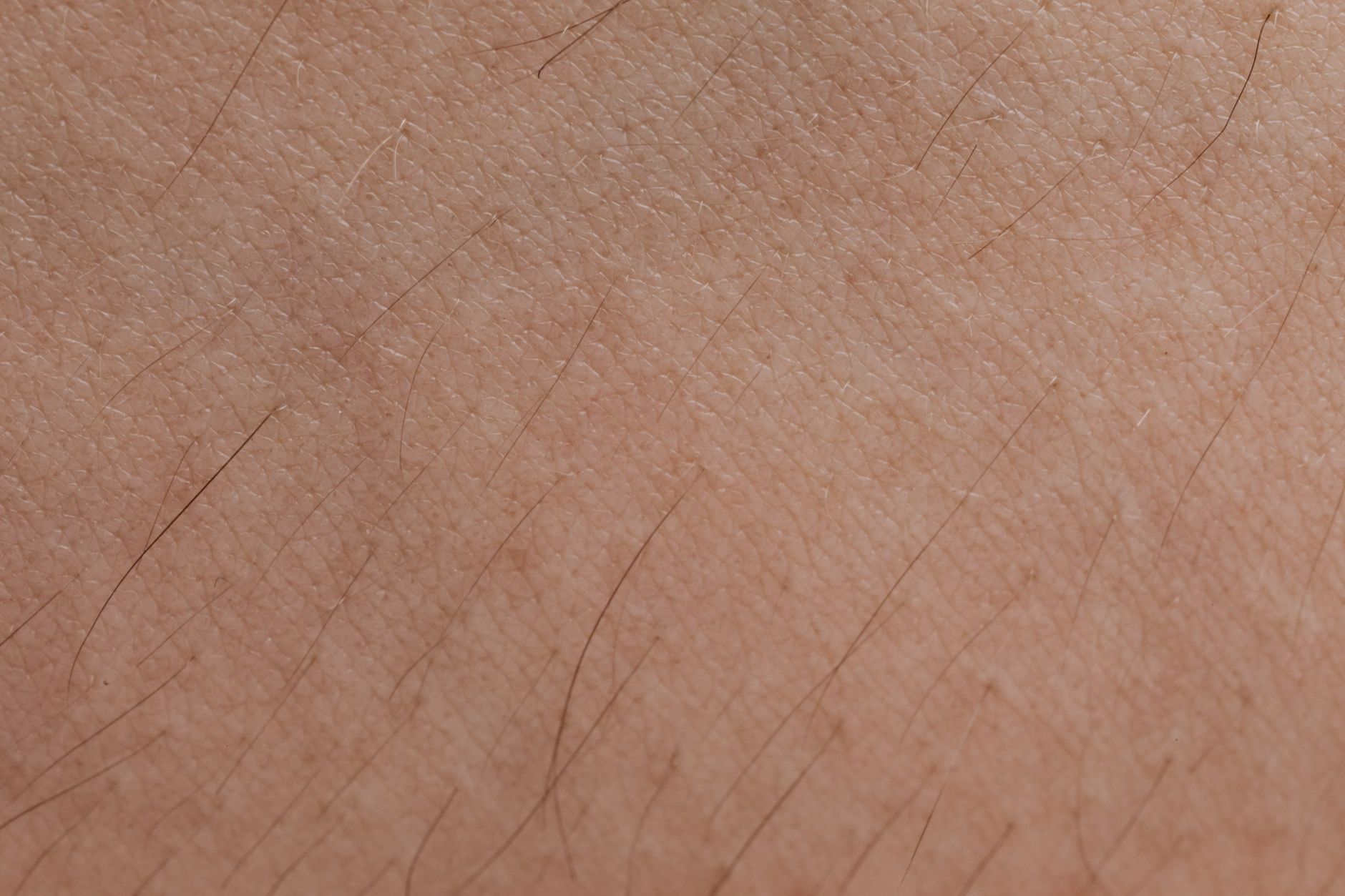
Melanotan II is a synthetic peptide, meaning it is a lab-produced chain of amino acids designed to interact with the body’s own systems. It targets melanocortin receptors, which are involved in regulating skin pigmentation. By stimulating these receptors, the substance triggers melanin production – the same pigment responsible for natural tanning – without requiring sun exposure to initiate the process. That mechanism is what makes it attractive to people who tan poorly or who want color without UV damage.
The problem is that stimulating melanocortin receptors does not only affect skin tone. Those receptors are distributed throughout the body and are connected to functions well beyond pigmentation – appetite, sexual arousal, blood pressure, and cardiovascular activity among them. Melanotan II has documented side effects that include nausea, facial flushing, involuntary erections in men, and changes in existing moles. That last point is where dermatologists draw the hardest line: any substance that accelerates melanin activity and alters mole appearance carries real risk of masking or triggering melanoma, the deadliest form of skin cancer.
Because Melanotan II is sold on the gray market rather than through regulated pharmaceutical channels, there is no standardization for dosage, purity, or manufacturing conditions. Someone injecting it has no reliable way to know what concentration they are actually receiving or what additional compounds may be present in the vial. Dermatologists note that this compounds the danger considerably – even if the peptide itself were considered acceptable at a controlled dose, the gray market supply chain makes controlled dosing functionally impossible.
Why Dermatologists Are Sounding the Alarm Now
Melanotan II is not new. It was developed in the 1980s at the University of Arizona as part of research into skin cancer prevention – the theory being that stimulating melanin production could protect against UV damage. Clinical development stalled due to the side effect profile, and it was never approved for human use anywhere in the world. What has changed is visibility. Social media has given the substance a second life, moving it from obscure peptide forums into mainstream wellness and bodybuilding communities where self-injection culture already has a foothold.
Dermatologists are concerned specifically because Melanotan II is now being discussed in beauty and aesthetics spaces where the audience may not have the same risk calculus as someone who has been following peptide research for years. When a substance migrates from niche online forums into broader lifestyle content, the information surrounding it tends to simplify. Side effect discussions compress. The framing shifts from clinical caution to aesthetic possibility. People see the tan result and not the cardiovascular event or the changed mole that may follow.
The mole issue deserves more attention than it typically receives in these conversations. Melanotan II has been associated with changes in the size, color, and texture of existing nevi – the medical term for moles. Dermatologists who perform skin checks regularly can track these changes over time, but a person using an unregulated injectable without medical supervision has no baseline and no monitoring. A mole that changes because of Melanotan II looks clinically similar to a mole that is changing because of developing melanoma. Without dermatological oversight, that distinction disappears entirely.
For anyone genuinely interested in achieving a bronzed look without UV exposure, the range of actually safe options is wide. Protecting skin from UV damage in the first place remains the most clinically supported approach to long-term skin health, and self-tanners containing dihydroxyacetone have decades of safety data behind them. Neither requires a gray market vial and a syringe.


Melanotan II is still being sold. The gray market does not wait for regulatory consensus, and the peptide’s social media presence has not meaningfully contracted. Somewhere right now, someone is reading a before-and-after post and wondering if the tan is worth the risk – without knowing that the mole in that photo may already look different than it did last month.