



The SPF Edit That Keeps Returning
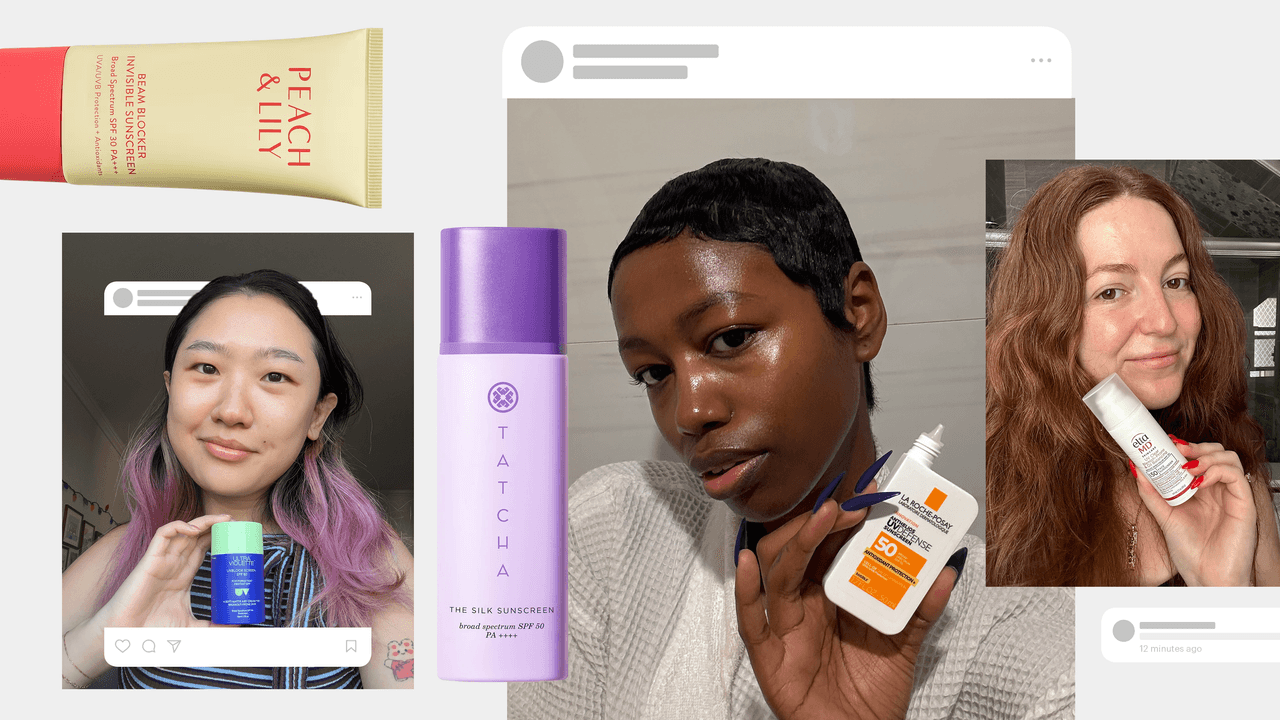
Every season drops a fresh wave of sunscreen launches, each promising something the last didn’t. Most fade from shelves and bathroom counters within months. The nine face sunscreens that have held their ground through 2026, however, are not products chasing a moment – they are the ones that actually work, day after day, without leaving a white cast, a greasy film, or a reason to skip the step entirely.
Allure’s editors – people who professionally test more products in a month than most people try in a year – have landed on a shortlist of nine favorites for healthy, protected skin heading into 2026. What makes this list worth paying attention to is exactly what makes it short: these are not the nine newest or the nine most expensive. They are the ones that survived the churn.
Why Face Sunscreen Deserves Its Own Category
Body sunscreen and face sunscreen are not interchangeable, even if the SPF number on the label is identical. The skin on your face is thinner, more reactive, and subject to daily layering – foundation, serum, moisturizer – in a way that body skin rarely is. A formula that works on your arms can pill under makeup, clog pores, or sit visibly on the skin in ways that make wearing it consistently almost impossible. Consistency, not the number on the tube, is what determines whether sunscreen actually protects you.
That is the practical argument for dedicated face SPF. The cosmetic one is straightforward: a great face sunscreen disappears into skin, doubles as a primer, and makes the rest of your routine easier to wear. The worst ones feel like a compromise – something you apply because you know you should, not because it feels good. The nine products on Allure’s 2026 list fall firmly into the first category, which is why they keep appearing in editors’ bags year after year rather than being replaced by whatever launched last month.
What the 2026 Favorites Actually Prioritize
Chemical versus mineral is a debate that tends to dominate sunscreen conversations, but the more useful distinction is finish, texture, and wear. Mineral formulas – those using zinc oxide or titanium dioxide as active ingredients – have historically struggled with the white cast problem, particularly on deeper skin tones. The best options on this list navigate that by using micronized mineral filters or blending mineral and chemical actives together, which delivers broad-spectrum UVA and UVB coverage without the chalky residue that made earlier mineral formulas so resistible.
Texture is where many launches fail and why familiar names keep recirculating. A sunscreen that feels light enough to wear alone but substantial enough to anchor makeup is a specific, difficult formulation challenge. Editors testing for the 2026 list evaluated daily wearability above most other criteria – meaning, would someone actually reach for this on an ordinary Tuesday, not just at the beach. The products that made the cut tend to have serum-like or fluid textures, absorb quickly, and do not require powder on top to look skin-like by midday.
Ingredient depth matters too, beyond the actives. The face sunscreens that sustain long-term loyalty tend to include antioxidants – niacinamide, vitamin C, or hyaluronic acid – that give the formula a secondary function. Wearing SPF 50 every single morning is more likely if the product also addresses a skin concern. Editors noted formulas that visibly improved skin texture over consistent use, which made the daily habit feel less like maintenance and more like an actual skin investment.
Fragrance is a dividing line. Several of the nine favorites are fragrance-free, which is not a coincidence – fragrance is one of the most common irritants in topical products, and the face is the last place to introduce unnecessary reactivity. For anyone dealing with redness, sensitivity, or acne-prone skin, the fragrance-free options on the list offer coverage without that added variable. Those that do include scent keep it minimal, using it to elevate the application experience rather than mask an unpleasant base.

SPF Numbers and What They Actually Mean for Daily Wear
SPF 30 blocks approximately 97 percent of UVB rays. SPF 50 blocks approximately 98 percent. The difference sounds small until you consider that most people apply roughly 25 to 50 percent of the amount needed to achieve the labeled SPF – which means a real-world SPF 50 often performs closer to an SPF 25. Applying enough product, and reapplying after two hours of sun exposure, closes that gap more effectively than chasing higher SPF numbers on the packaging.
All nine sunscreens on the Allure 2026 list are broad-spectrum, meaning they protect against both UVA rays – the ones associated with long-term aging and deeper skin damage – and UVB rays, which cause burning. Broad-spectrum coverage is the minimum bar for any face sunscreen worth using. Beyond that, the editors’ favorites hold up under real conditions: humidity, light sweat, the kind of environmental exposure that happens on a city street or in a car with open windows, not just at the pool.
Building a Routine Around the Right Formula
Matching a face sunscreen to skin type changes the experience of wearing SPF entirely. Oily skin generally benefits from water-based, oil-free formulas that mattify over the course of the day rather than amplify shine by noon. Dry or mature skin often responds better to moisturizing SPF formulas that provide hydration alongside protection – avoiding the tight, dull look that a purely functional sunscreen can create on skin that is already lacking moisture.
For anyone layering sunscreen under makeup, application order matters. Sunscreen goes on after moisturizer and before any color product, and it needs at least sixty seconds to settle before anything else goes on top. Skipping that wait is what causes pilling. The editors’ favorite face SPFs for 2026 were also evaluated specifically for how well they accept product layered on top – foundation, tinted moisturizer, blush – which is a practical test that lab conditions can’t fully replicate.
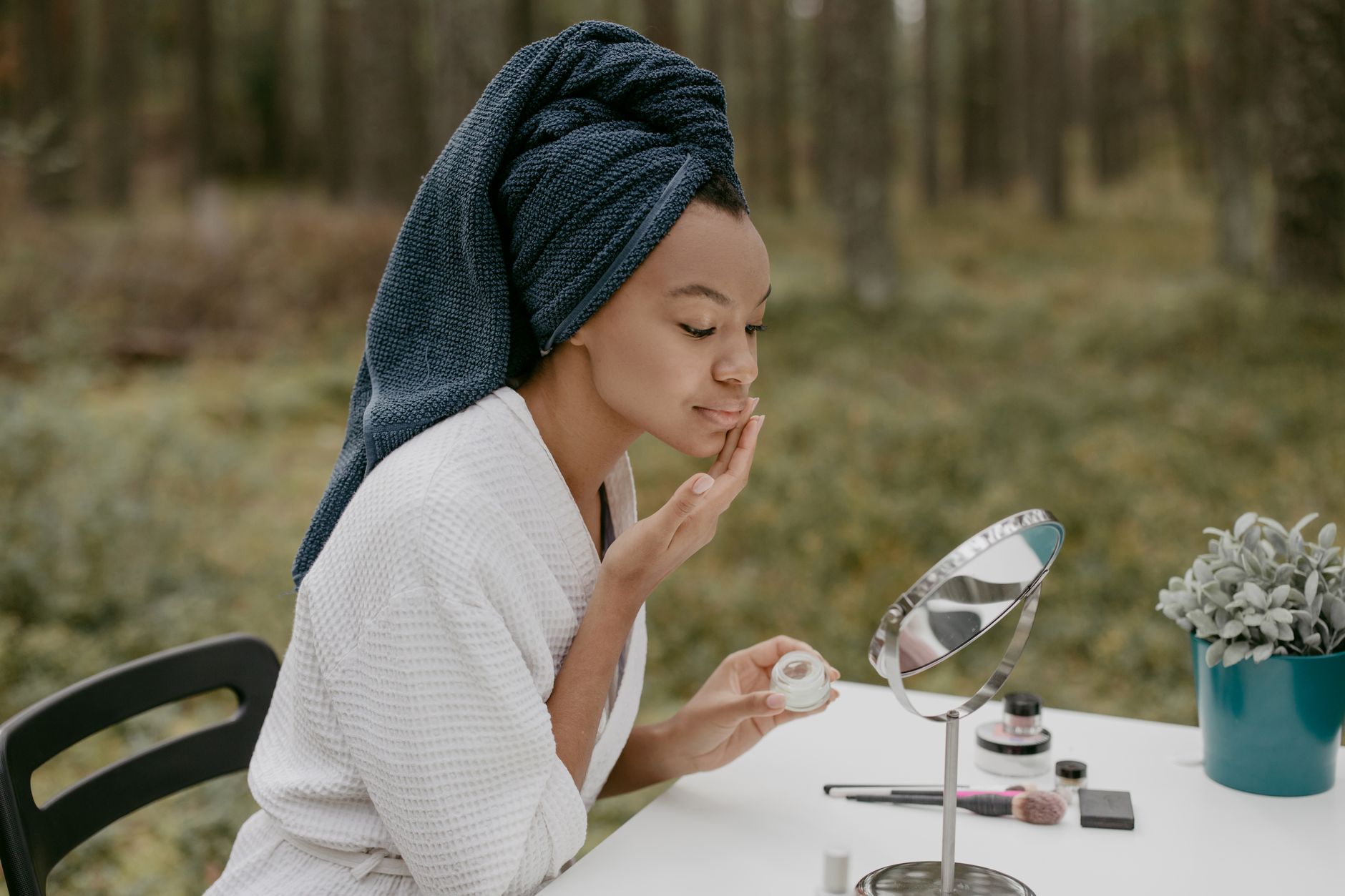
Some of the nine favorites work as standalone products, covering the moisturizer and SPF step in a single application. That matters for people whose mornings don’t have room for a five-step routine. The best all-in-one formulas on the list don’t sacrifice protection for the sake of convenience – they deliver SPF 30 or higher while hydrating and priming, which means skipping a step doesn’t mean compromising the skin.
The question underneath all of it is whether the product you’re using is one you’ll actually put on your face every morning, not just when you’re headed somewhere with extended sun exposure. Dermatologists consistently point out that daily UVA exposure from windows, screens, and incidental outdoor time adds up over years in ways that show up as hyperpigmentation and loss of elasticity long before anyone connects the cause. So the real variable isn’t which of these nine is technically superior – it’s which one you’ll still be reaching for in January, when there’s no beach trip in sight and no particular reason to care, except that your skin will register the difference eventually either way.