



Deadline Passes Without a Deal at the Port
Contract negotiations between an ILWU union local and their employers at the ports of Los Angeles and Long Beach pushed past Wednesday night without resolution, extending the strike threat into Friday as both sides agreed to keep talks going rather than walk away from the table.
The strike threat remains live.
For fashion brands and retailers moving goods through one of North America’s busiest cargo gateways, the extended uncertainty adds another variable to an already strained supply chain environment – particularly for labels racing to position inventory ahead of key seasonal windows. A work stoppage involving port watchmen could slow or complicate cargo security and access across the LA-Long Beach complex, which handles a significant share of apparel and footwear imports into the United States.
What Stalled Negotiations Mean for Fashion Freight
The ILWU local and their employers did not disclose the specific sticking points that prevented a Wednesday agreement, but the decision to extend talks through Friday signals that neither side is ready to let negotiations collapse entirely. That restraint is meaningful – a formal breakdown would almost certainly trigger strike action, forcing cargo holders to make rapid decisions about rerouting shipments or accelerating pickup schedules before any work stoppage took effect.
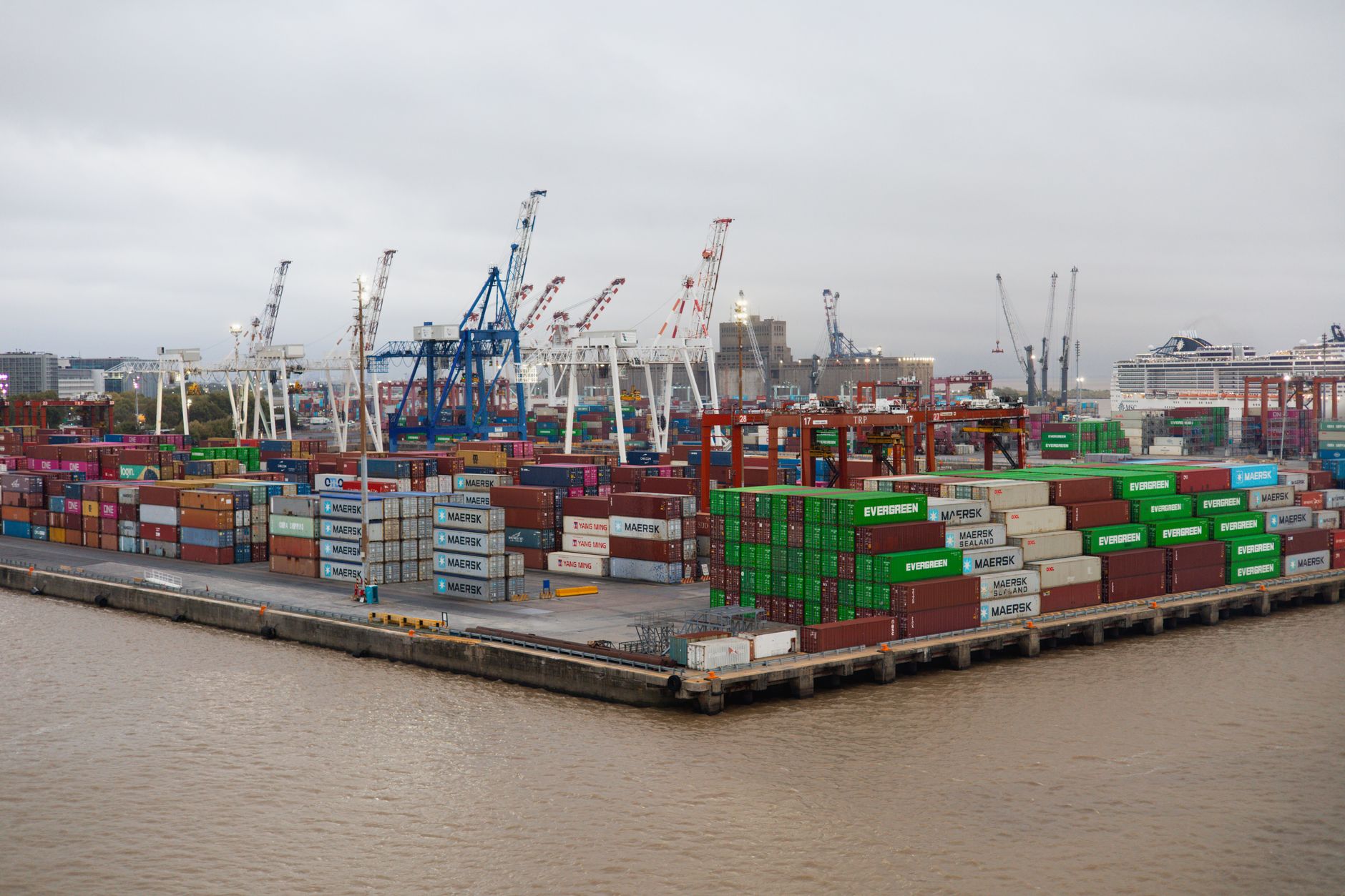
LA and Long Beach together function as the primary entry point for trans-Pacific fashion cargo, with goods sourced across Southeast Asia, South Asia, and East Asia moving through the twin ports before fanning out to distribution centers across the country. Any disruption at the watchmen level – even one that falls short of a full dockworker shutdown – creates friction across that movement, since port access and security protocols depend on watchmen being at their posts.
Fashion importers have faced a compounding set of freight challenges over the past two years, from container rate volatility to port congestion cycles that never fully cleared. A strike at LA-Long Beach, even a targeted one involving a single union local, lands on top of those existing pressures rather than arriving in isolation. Brands that absorbed the costs of diversifying sourcing geographies or shifting to East Coast ports haven’t necessarily escaped West Coast exposure entirely, since LA-Long Beach still moves volumes that are difficult to replicate elsewhere on short notice. For more on how supply chain disruptions are reshaping logistics costs, see Parcel Shipping Costs Hit Record High as Surcharges Outpace Diesel.
Friday as a New Pressure Point
By agreeing to continue negotiations through Friday, the ILWU local and employers have effectively reset the clock – but not reset the underlying tension. Friday now functions as the next hard moment, the point at which both sides will either announce a deal, announce a further extension, or allow the strike threat to convert into actual strike action. Each extension without resolution keeps cargo operators in a holding pattern, unable to fully plan around either a disruption or a clear path forward.
The fashion industry’s relationship with West Coast port labor has been tested repeatedly over the years, with slowdowns and work stoppages producing outsized downstream effects on retail timelines. A delayed shipment of seasonal merchandise – whether spring RTW, summer swimwear, or fall outerwear – doesn’t simply arrive late. It arrives into a different retail window, often requiring markdown intervention to move inventory that missed its moment on the floor. That calendar sensitivity makes port disruptions especially costly for apparel compared to commodities that tolerate delay more easily.
What distinguishes this situation is the specificity of the union local involved. Watchmen occupy a distinct role within port operations – not dockworkers handling cargo directly, but personnel whose presence governs access and security across the facility. A strike by this group wouldn’t necessarily halt crane operations outright, but it could create enough operational disruption to slow cargo processing and complicate the logistics of moving goods in and out of the terminal complex. The exact shape of any disruption depends heavily on how employers respond and whether other port workers honor picket lines.

The Window Narrows
Both the ILWU local and their employers now have until Friday to demonstrate that extending Wednesday’s deadline was worth the extra time – and fashion’s freight handlers are watching to see whether the next update brings a contract or a strike date.