





The Mall Generation’s Favorite Scents Are Back
Long before Le Labo became a status symbol and Sol de Janeiro colonized every bathroom shelf, the fragrance obsessions of an entire generation lived inside a Gap store. Dream, Heaven, Grass, and Om were not incidental product lines – they were bona fide bestsellers, the kind of scents that got spritzed on wrists in fluorescent-lit mall corridors and somehow still lingered on denim jackets hours later. They disappeared from shelves for years, and their absence left a genuine gap (yes, that kind) in the affordable fragrance market.
Now the collection is back, rebuilt from the ground up by Jérôme Epinette – the perfumer responsible for Byredo’s Gypsy Water and Bal d’Afrique, and the architect of newcomer NOYZ’s entire fragrance lineup. Gap brought in serious talent to handle this revival. The refreshed lineup carries all four original scents plus one new addition, Harmony, making it a five-piece collection aimed squarely at a new generation of fragrance buyers who may have no memory of the originals at all.
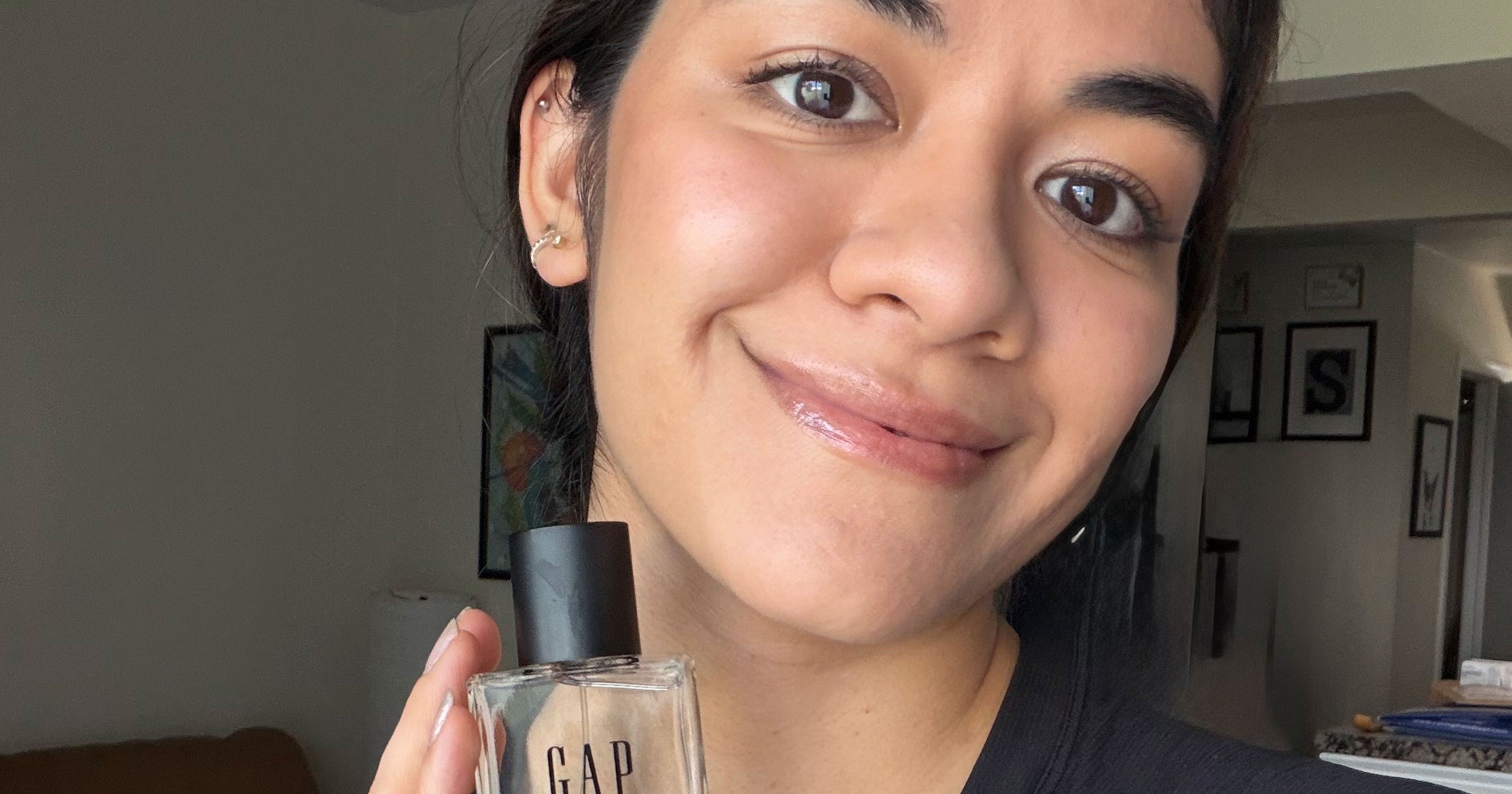
Heaven and Grass: The Two Most Recognizable Names, Delivering Very Different Results
Heaven arrives as a floral amber – a category that layers romantic florals over warm, resinous base notes like amber, ambrox, and tonka bean. Madagascar vanilla anchors the composition with something that reads almost like dessert: sweet and rich, but pulled back from cloying by juicy pear and honeysuckle up top. Patchouli and musk close things out with a skin-like warmth that keeps the whole thing grounded.
What’s surprising about Heaven is its staying power on fabric and hair, which makes it well-suited to evenings out rather than the office. The sweetness is real – this is not a shy vanilla – but there’s enough structure from the patchouli that it avoids collapsing into pure gourmand territory. It reads sophisticated without working very hard to prove it.
Grass, by contrast, lands in crisp, herbaceous, citrus-forward territory – the daytime fragrance category that tends to attract people who find most perfumes too heavy. On paper, that profile sounds like a straightforward crowd-pleaser: clean, fresh, wearable across seasons. The original Grass had fans who wore it almost exclusively, and Epinette’s reworked version keeps enough of that DNA intact to make sense as a continuation rather than a replacement.
The risk with scents like Grass is that “clean and fresh” can shade quickly into “forgettable.” Whether Epinette’s version avoids that fate depends almost entirely on how those citrus and herbaceous notes are balanced – a technical question that separates a pleasant fragrance from one you actually remember wearing.
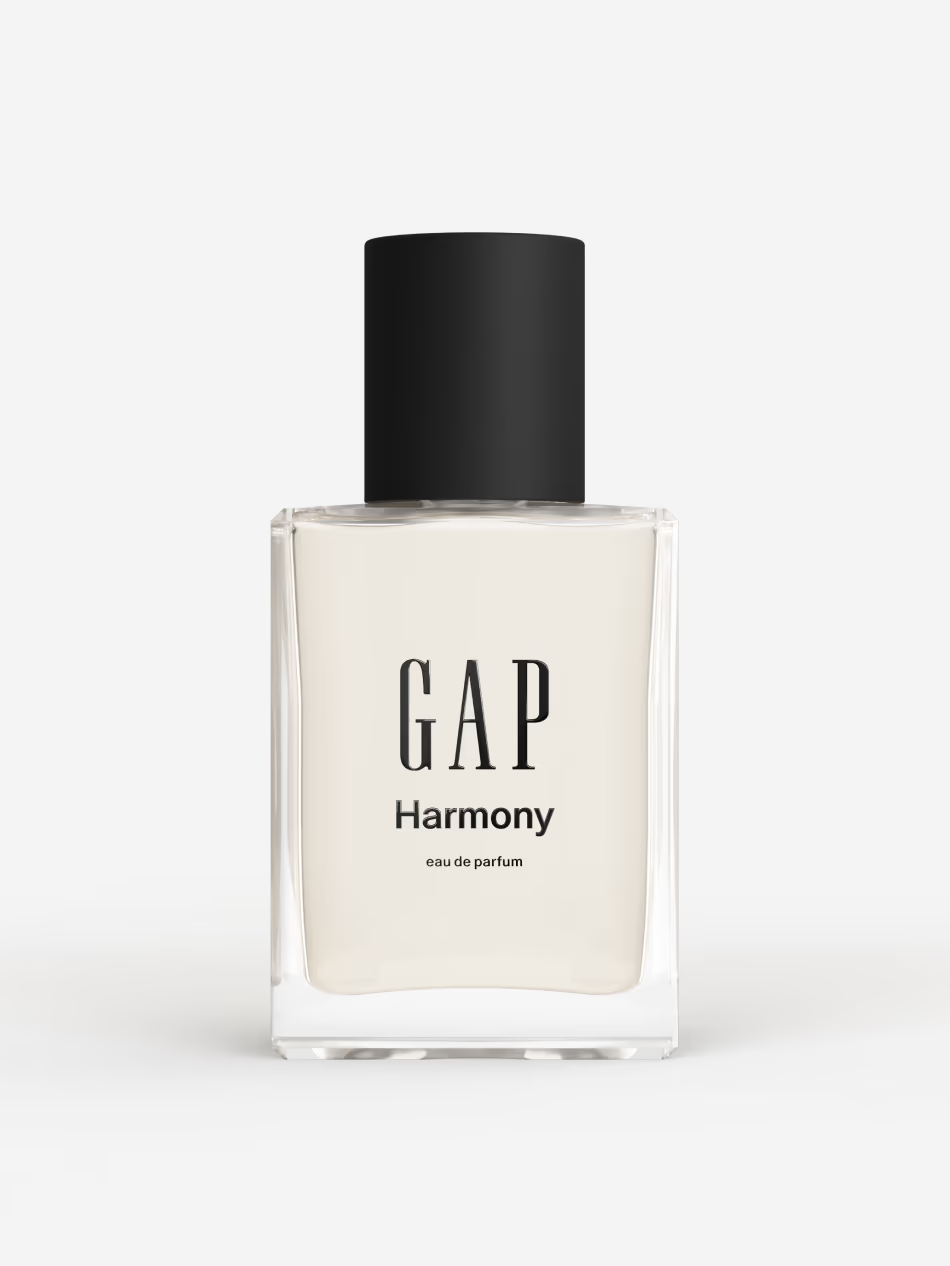
The New Addition: Harmony Joins Four Originals
Harmony is the only entirely new entry in the collection, which puts it in an unusual position. It carries none of the nostalgia that Dream, Heaven, Grass, and Om can lean on, so it has to earn its place on scent alone. For a collection built around the emotional shorthand of memory and recognition, a brand-new fragrance is something of a wild card.
That Gap chose to add a fifth scent rather than simply restoring the original four says something about what this relaunch is actually trying to do. It is not purely a nostalgia play – the involvement of Epinette, whose work for Byredo sits at a very different price point, signals that Gap wants the collection to compete on quality as much as sentiment. Harmony is the clearest proof of that ambition. If affordable fragrance brands are increasingly measured against niche benchmarks, Gap’s willingness to bring in a credentialed nose rather than a house perfumer suggests they understand the current market.
What Epinette’s Involvement Actually Means for the Price-to-Quality Equation
Jérôme Epinette is not a perfumer who typically works in the mass-market tier. His name is attached to fragrances that retail for well above what Gap is charging for this collection, and his work for NOYZ – a brand positioned at the younger, trend-forward end of the indie fragrance world – shows he understands how to translate craft into accessibility without gutting the composition.
The affordable fragrance category has changed significantly since the original Gap scents were on shelves. Consumers now cross-shop between drugstore body sprays and $300 niche bottles in ways that would have seemed unusual a decade ago, and they have developed enough of a vocabulary around fragrance families, notes, and longevity to notice when something is genuinely well-made versus merely pleasant. Epinette’s involvement raises the baseline expectation for how these scents should perform.
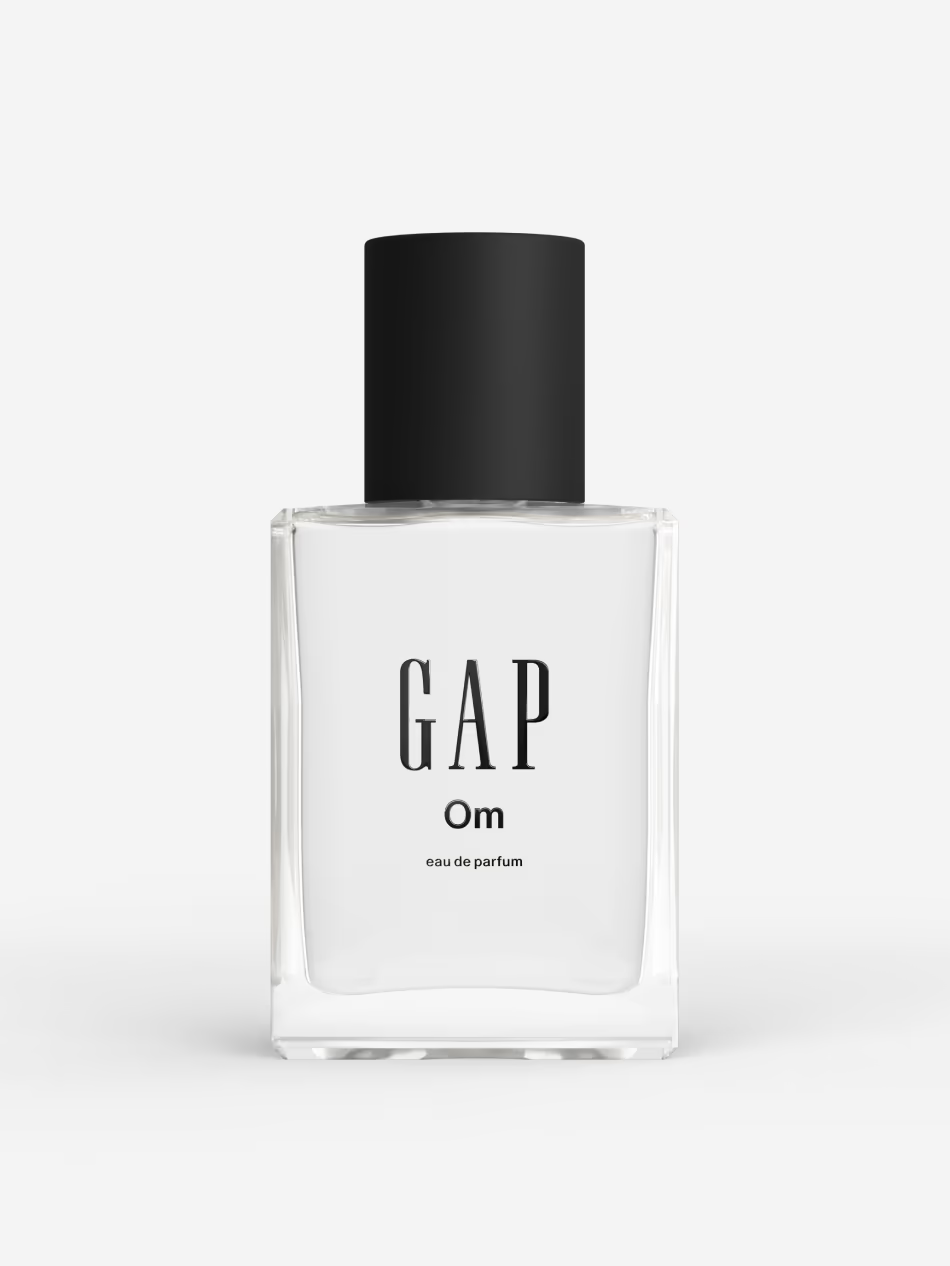
Gap is pricing this collection within reach of the same customer who bought the originals as a teenager – someone who is now an adult with a more developed fragrance palate and, presumably, a higher bar for what they’ll actually wear. The question the collection has to answer is whether nostalgia alone brings that person back to a Gap fragrance counter, or whether Epinette’s reformulations give them a reason to stay.