




Two Addresses, One Fight
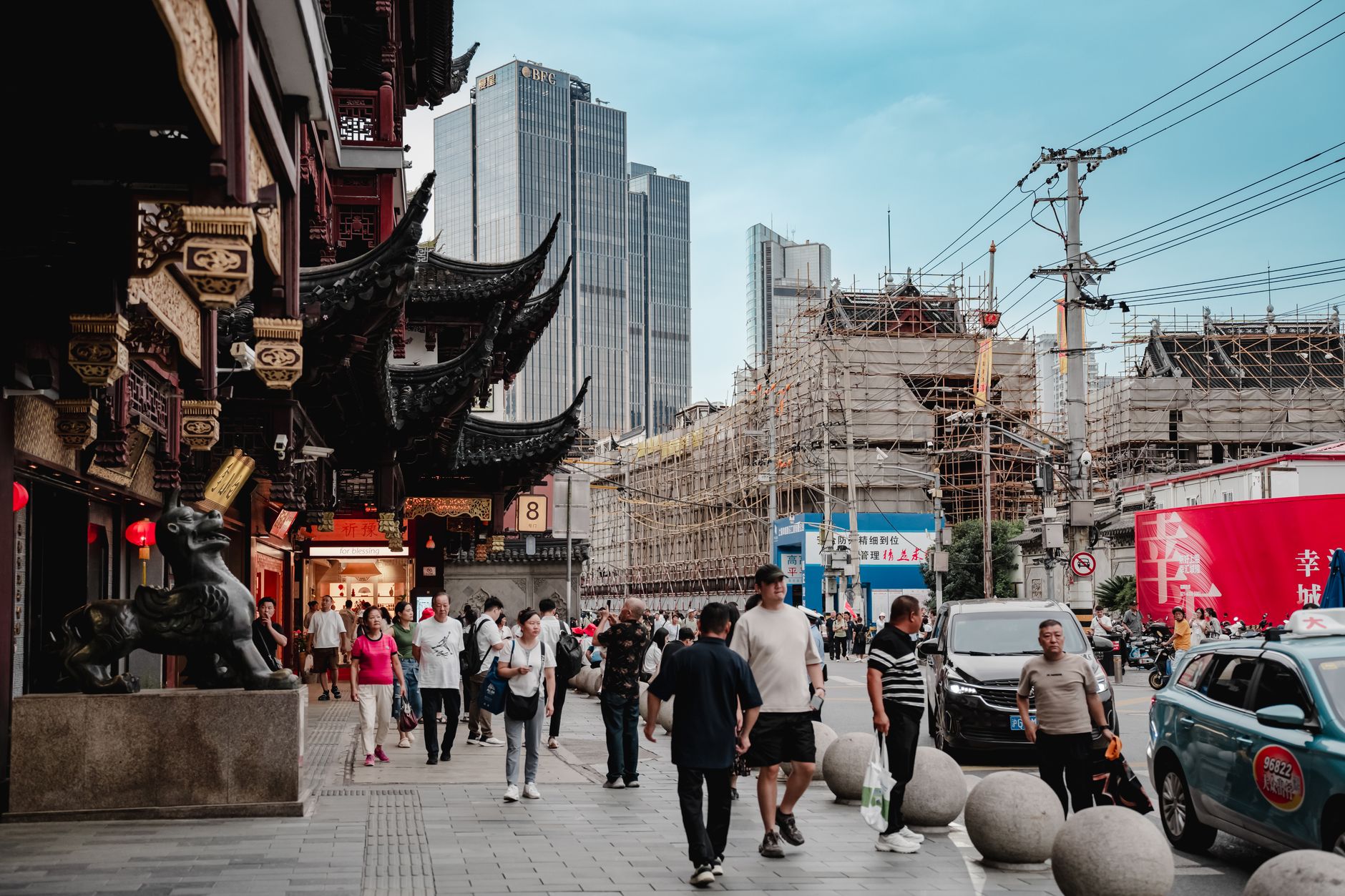
On West Nanjing Road, one of Shanghai’s most concentrated stretches of high-net-worth foot traffic, two property giants are locked in a competition that has quietly outgrown the old playbook of signing the right labels and opening the right doors. Swire Properties’ HKRI Taikoo Hui and Hang Lung Properties’ Plaza 66 now face each other not merely as rival retail landlords but as competing visions of what a luxury destination should feel like in 2024 and beyond.
The shift is significant because it changes where operators compete. Securing a Chanel boutique or a Cartier flagship used to be the decisive move – the proof of prestige that drew affluent shoppers and justified premium rents. That logic hasn’t disappeared, but it no longer determines the outcome. Both HKRI Taikoo Hui and Plaza 66 have the tenants. What they are now fighting over is harder to copy and harder to define.
The Properties in Question
Plaza 66, developed and operated by Hang Lung Properties, has long held status as one of Shanghai’s most recognized luxury addresses. Its towers are a fixed point on the West Nanjing Road skyline, and its retail floors have housed the kind of brand roster that other cities build entire shopping districts around. For a certain generation of Shanghai luxury consumer, Plaza 66 is simply where you go.
HKRI Taikoo Hui, the Swire Properties entry on the same corridor, approaches the same affluent audience from a different architectural and experiential angle. Swire’s broader portfolio – which includes Taikoo Li formats in Chengdu and Beijing – has built a reputation for retail environments designed to encourage lingering, wandering, and returning. The company’s strategy has consistently prioritized atmosphere alongside tenancy, and HKRI Taikoo Hui carries that DNA into what is arguably Shanghai’s most contested luxury block.
Together, the two properties represent a concentration of luxury retail capital that few streets anywhere in the world can match. But their proximity is also the source of the problem each operator now has to solve. When two malls a short walk apart carry overlapping brand portfolios and target identical income brackets, differentiation can’t come from the directory.
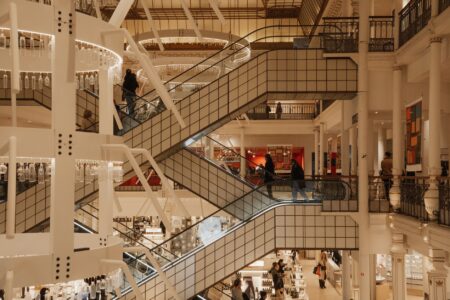
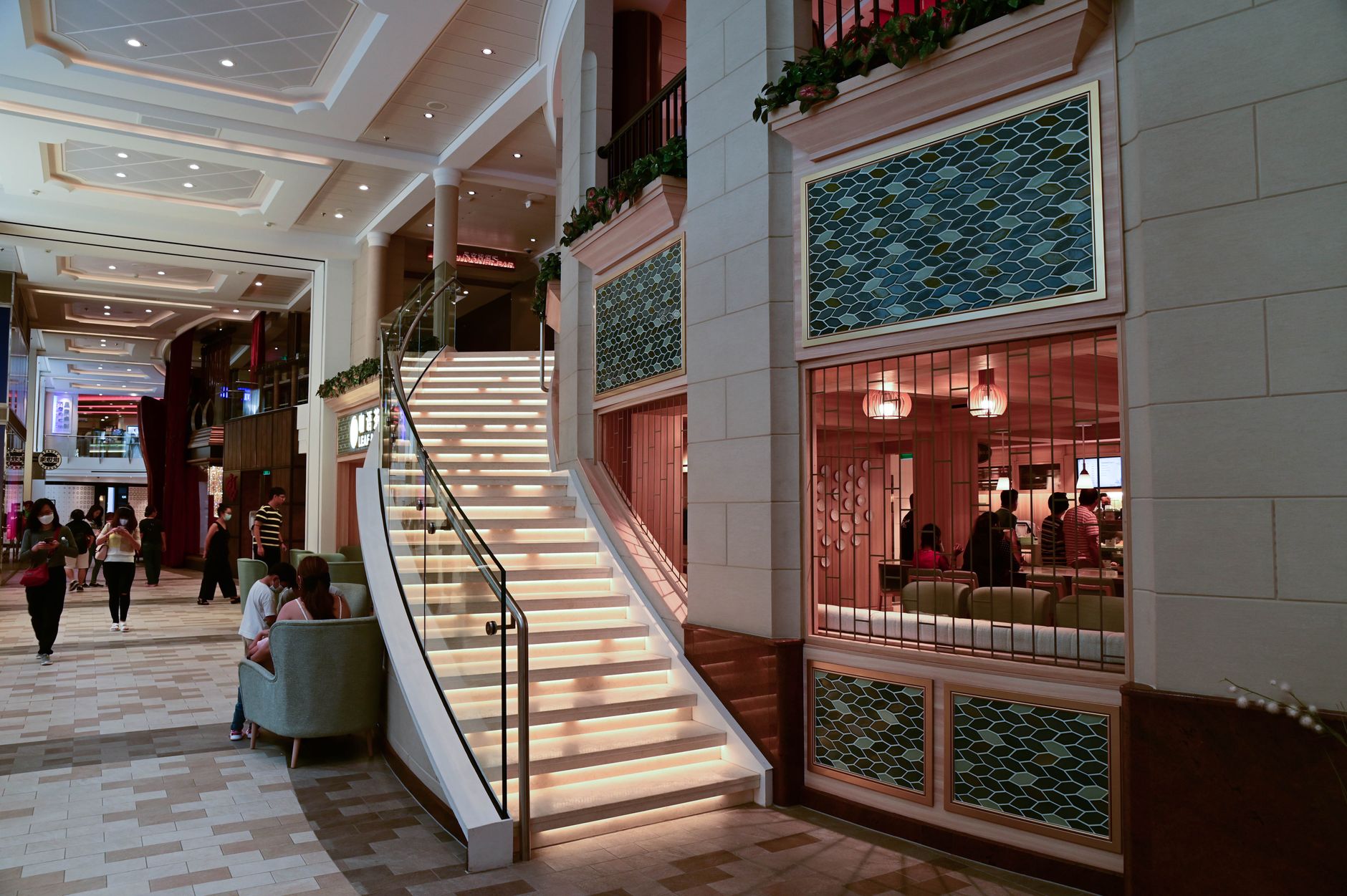
The answer both Swire Properties and Hang Lung Properties appear to be moving toward is experience – not as a vague aspiration but as an operational priority. This means programming, physical design, food and beverage curation, event hosting, and the harder-to-name quality of an environment that makes a visit feel like more than a transaction. It is, in essence, a competition over atmosphere as infrastructure.
Why Experience Became the Battlefield
The pressure to move beyond tenant mix is not unique to West Nanjing Road, but the dynamics are sharper there because the stakes are so concentrated. Luxury mall operators across Asia have been watching consumer behavior shift since the mid-2010s, accelerated by the post-pandemic recalibration of how wealthy shoppers decide where to spend time. An afternoon at a mall requires a reason that a brand alone can no longer fully supply.
What Hang Lung and Swire are each trying to build is the kind of destination gravity that makes a property relevant on days when a shopper isn’t buying anything specific – the café worth going to, the exhibition worth seeing, the event worth planning around. That ambient relevance is what fills a mall’s common areas, sustains dwell time, and ultimately drives the sales per square foot numbers that determine whether a luxury tenant renews or relocates.
What This Means for the Broader Market
The competition on West Nanjing Road is being watched beyond Shanghai because it maps onto a question every major luxury retail operator in Asia is dealing with: how do you keep a physical mall essential when the brands inside it are also accessible elsewhere, including online? The West Nanjing Road corridor is functioning as a live test of whether experience investment can answer that question at scale and at the top end of the market.
Hang Lung Properties and Swire Properties are not small operators making experimental bets. Plaza 66 and HKRI Taikoo Hui are core assets for their respective parent companies, which means the strategies being deployed there carry real financial weight. If experience-led differentiation proves to move the metrics at these addresses, the model travels. If it doesn’t, the next move is harder to identify.
For the luxury brands occupying both properties, the landlord competition has its own implications. A tenant sitting inside a mall that successfully drives destination traffic benefits from that traffic whether or not the shopper originally came for them. Flagship locations inside genuinely compelling environments – ones where the property itself generates reasons to visit – tend to perform differently than flagships in malls that rely on the brands to do all the pulling.
West Nanjing Road is now a place where two well-capitalized operators are spending real money to prove different answers to the same underlying question. Swire Properties’ HKRI Taikoo Hui is betting on one version of what a luxury destination should feel like. Hang Lung Properties’ Plaza 66 is betting on another. Shanghai’s most affluent shoppers will decide which version earns their afternoon – and that verdict, when it comes, won’t arrive quietly.