




A $499 Toothbrush Just Entered the Chat
Dyson built its reputation on making household appliances – vacuums, hair dryers, air purifiers – feel like luxury objects worth arguing about. The CameraJet electric toothbrush is its latest attempt to do the same thing to oral care, and it arrived with the kind of global press attention usually reserved for smartphone launches. Four hundred and ninety-nine dollars. For a toothbrush. The question worth asking is not whether Dyson can sell it, but whether the dentists who actually study tooth and gum health think the price reflects anything real.
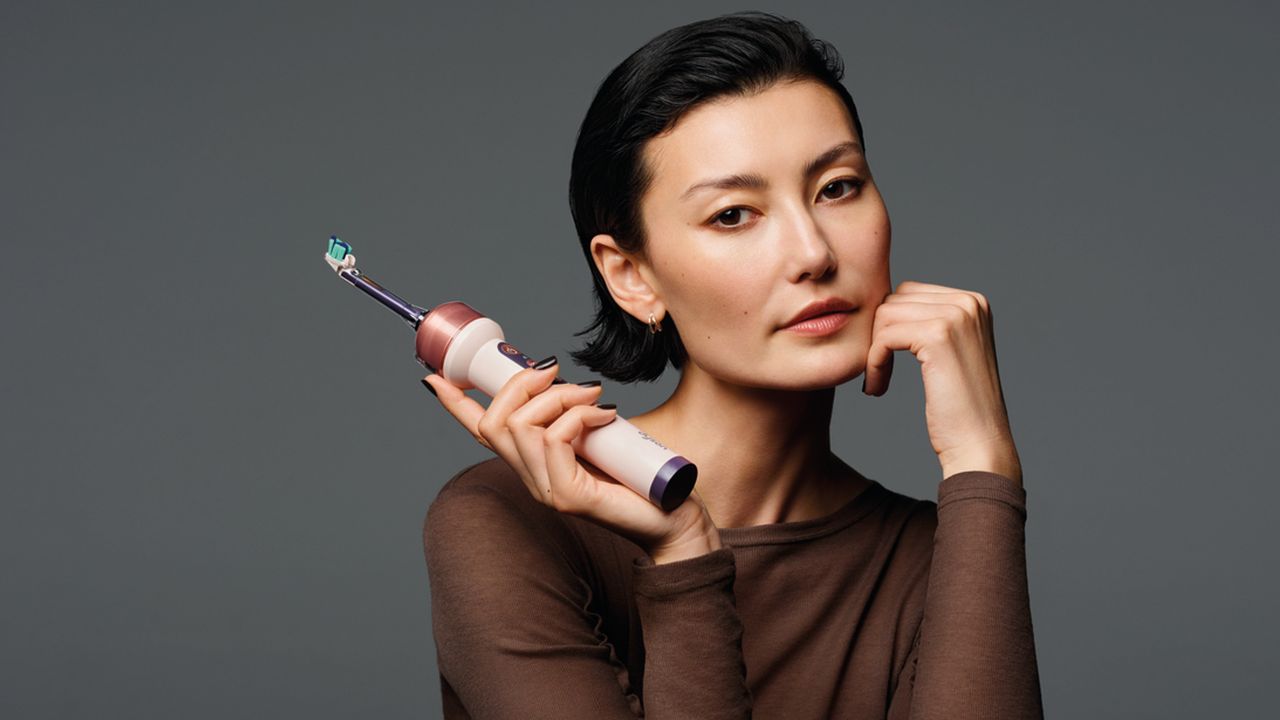
Allure asked four dentists to weigh in on the CameraJet specifically, and the answers – ranging from impressed to cautious – reveal how wide the gap can be between marketing language and clinical reality. The fact that dentists were divided is itself a piece of information.
What the CameraJet Actually Does
The signature feature is the built-in camera, which Dyson says allows users to see their own mouth while brushing – a first for a consumer electric toothbrush at this scale. The idea is that real-time visual feedback corrects the bad habits most people carry for decades: brushing too hard, missing the gumline, ignoring the back molars entirely. Dyson has positioned the camera not as a novelty but as a functional tool, arguing that you cannot improve what you cannot see.
The jet function is the second major selling point. It delivers a stream of water or mouthwash alongside the brush head, combining mechanical brushing with a flushing action meant to displace plaque and debris from between teeth. Whether that combination meaningfully outperforms a quality electric toothbrush paired with a separate water flosser is exactly where the dentist opinions start to split.
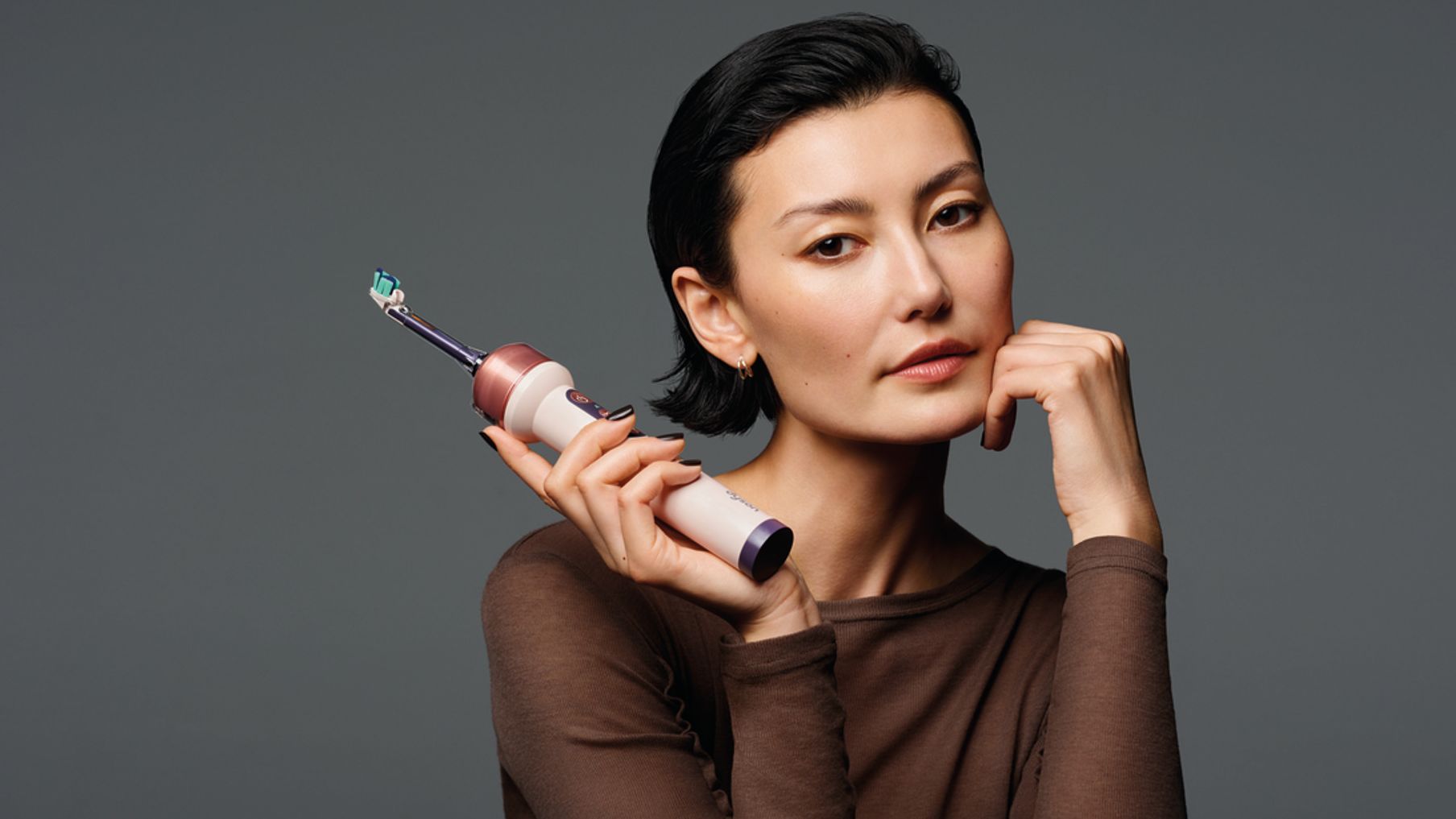
Some of the dentists Allure consulted found the camera concept genuinely interesting from an educational standpoint. Patients chronically underbrush certain areas, not out of laziness but because they simply cannot see what they are doing. A camera that shows you your own blind spots in real time addresses a real problem – assuming the image quality is clear enough and the app interface does not add friction to a routine most people already struggle to maintain consistently.
The skepticism, where it exists, is less about the technology and more about the execution and the value equation. A $499 price point does not just compete with other electric toothbrushes. It competes with professional cleanings, with prescription-strength fluoride treatments, with an electric toothbrush plus a dedicated water flosser purchased separately. Dentists live in the world of outcomes, and the question any clinician asks is whether this specific combination of features produces better gum health, lower plaque scores, and fewer cavities than a $150 alternative used correctly.
One consistent thread across the dentist responses is the acknowledgment that technique matters more than hardware for most patients. An expensive toothbrush used with poor pressure and a 45-second brushing time is still a $499 object producing mediocre results. The camera could theoretically close that gap by coaching users toward better habits – but only if people actually engage with it regularly rather than ignoring the app after the first week.
The Luxury Appliance Logic
Dyson’s pricing strategy has always operated on the premise that consumers will pay a significant premium for design, engineering credibility, and the feeling of owning something that takes its category seriously. The Supersonic hair dryer, which retails around $429, faced identical skepticism when it launched and is now a fixture in both professional salons and private bathrooms. The CameraJet is following that same playbook almost precisely.
What made the Supersonic defensible to skeptics was that it demonstrably reduced heat damage through precise temperature control – a claim that stylists and dermatologists could evaluate against visible outcomes. The CameraJet needs a similar clinical anchor. If dentists start seeing measurable improvements in patients who use it consistently, the price conversation changes. Right now, the launch is ahead of that evidence.
Who This Toothbrush Is Actually For
The most honest answer is that the Dyson CameraJet is built for a specific kind of person: someone who already owns quality oral care tools, wants to optimize further, and does not feel the $499 outlay acutely. It is also, realistically, a gift item – the kind of thing that ends up on a high-end holiday wish list because it looks extraordinary in a box and signals that the giver did not default to the obvious choice.

For patients with active gum disease, recession, or documented brushing deficiencies, some dentists may eventually recommend it if the camera feedback proves effective in a clinical context. For the average person maintaining already-decent oral hygiene, the case is harder to make on pure outcomes. The camera is the detail that could change that calculus – or the detail that turns out to be a feature people stop using entirely by February.
Dyson’s global launch generated headlines across beauty, tech, and lifestyle publications simultaneously, which is not an accident. The CameraJet is positioned at the intersection of all three categories, and it is being marketed with the full weight of a brand that has successfully colonized the premium tier of multiple home categories. Four dentists, asked directly, could not reach a unanimous verdict. That is perhaps the most clarifying data point available before anyone hands over $499.