


Period Beauty, Down to the Product
Television recreations of the 1980s tend to fall into two camps: the ones that gesture vaguely at big hair and call it done, and the rare ones that actually do the research. The Shards sits firmly in the second category, and the person most responsible for that is makeup department head Valerie Jackson, who built each look from the product shelf up – sourcing period-accurate tools and formulas to dress the hair and faces of the show’s cast.
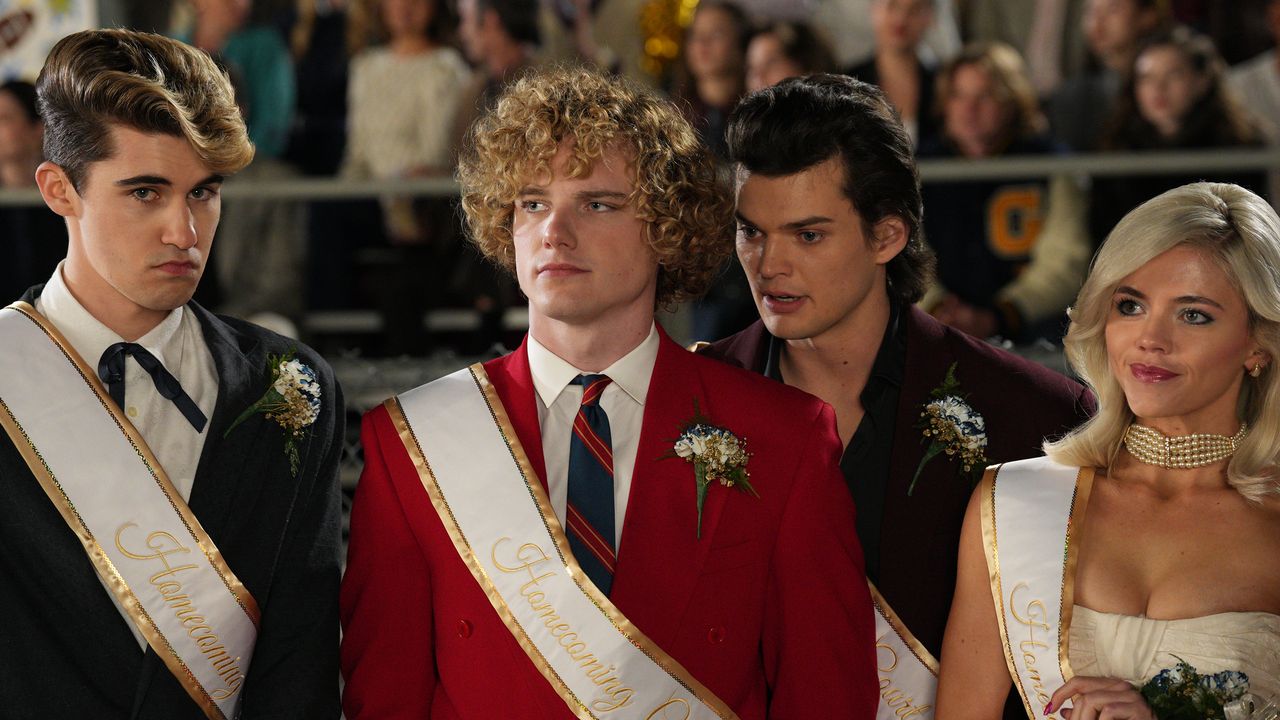
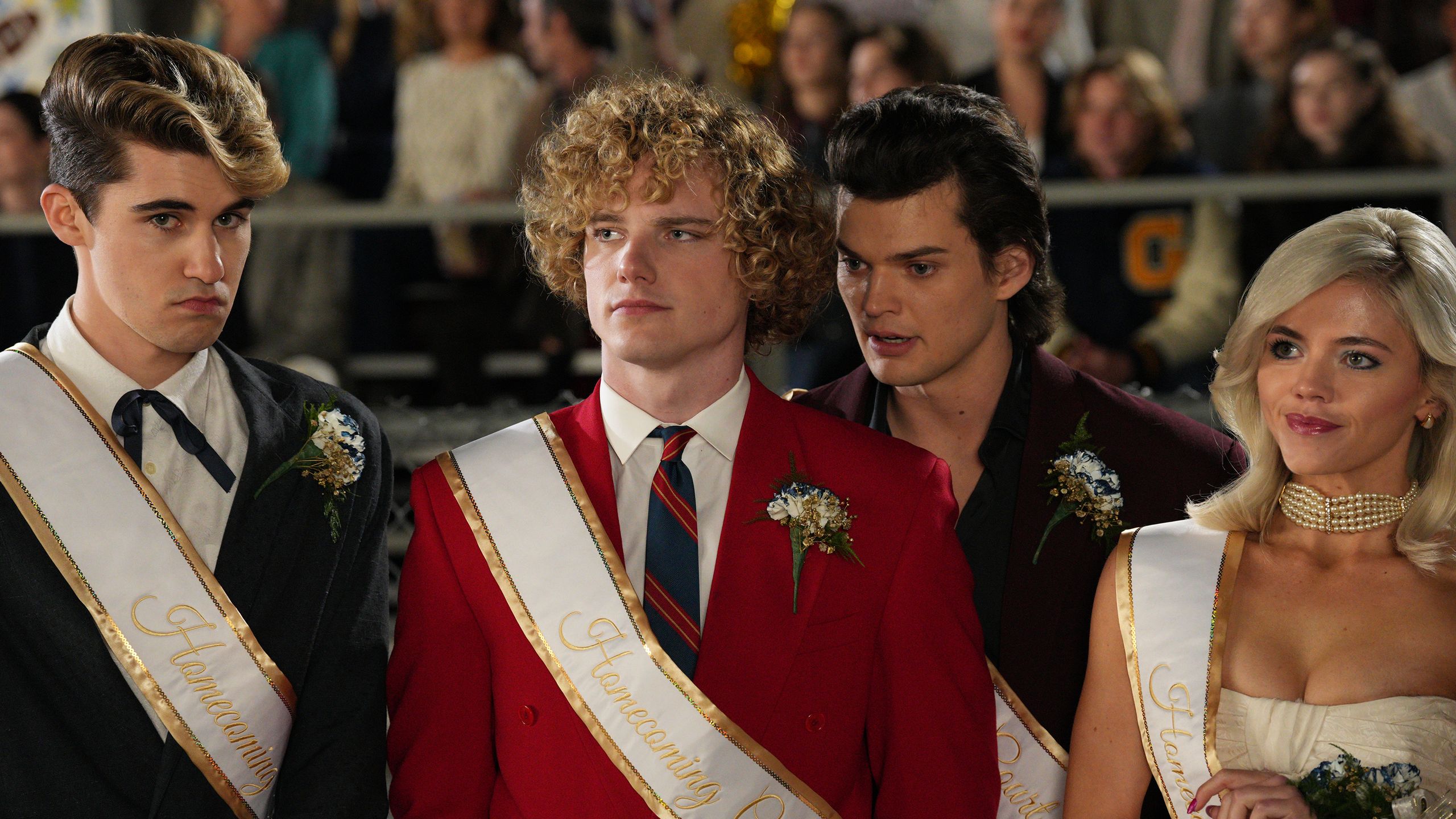
The results are visible on three cast members in particular: Ivy Wolk, Kaia Gerber, and Homer Gere, whose characters move through the episode wearing silhouettes, textures, and finishes that track with what was actually available and fashionable in that decade. That specificity doesn’t happen by accident.
What Period-Accurate Actually Means on a Set
When a production commits to using period-accurate products and tools, it means rejecting a lot of what’s sitting in the average hairstylist’s kit. Modern hold sprays, serums with silicone-heavy formulas, and precision flat irons designed for sleek, glossy finishes would all read wrong on camera – even slightly. The 1980s had its own chemistry: alcohol-forward aerosol sprays that dried stiff, curling irons with barrel sizes that produced distinct curl patterns, and mousses with a particular kind of foamy volume that contemporary products don’t quite replicate. Jackson’s approach required working within those constraints rather than approximating them with newer tools.
For the actors, this also means sitting through processes that take longer and require more handling. The hairstyling techniques of the era – backcombing, setting on hot rollers, heavy-handed teasing at the root – demand time and aren’t forgiving. There’s no smooth finishing product to soften a mistake. What goes on stays on, which is both the challenge and the point. The texture reads as authentic because it was built the way it would have been built forty years ago.
Ivy Wolk, Kaia Gerber, and Homer Gere each bring different hair types and face shapes to the process, which means Jackson’s work wasn’t a single formula applied three times. Volume behaves differently on fine versus coarse hair, and the ’80s aesthetic – however much it’s associated with excess – had its own internal logic about where that volume was supposed to live. Crown lift, width at the sides, and the relationship between the hairline and the ear are all details that shift depending on the person wearing the style. Getting it right for each actor meant making distinct choices rather than defaulting to one signature silhouette.
Kaia Gerber and the Weight of the Reference
Kaia Gerber arriving on a period set carries a particular kind of cultural static. Her mother, Cindy Crawford, is one of the most photographed women of the actual 1980s, and any styling decision involving Gerber in a retro context will inevitably invite that comparison – whether the production intends it or not. Jackson’s work here had to read as character-specific rather than as an homage to anyone in Gerber’s orbit, which is a narrow line.
The solution, as it tends to be in strong period work, is specificity over symbolism. Gerber’s character has her own relationship to the decade, and Jackson’s job is to dress that character’s hair rather than illustrate a cultural moment. The tools and products ground the look in material reality rather than visual shorthand, which is what keeps it from sliding into pastiche.
Homer Gere and the Male Grooming Vocabulary of the Era
Men’s hair in the 1980s had its own strict grammar – one that’s frequently flattened in modern recreations into something that reads more like “vintage barbershop” than the decade’s actual aesthetic. Homer Gere’s styling in episode six represents a different kind of research problem, because the male grooming products of the era were formulated for hold and control in ways that sit awkwardly next to current preferences for texture and movement.
The pomades and styling creams used for men’s hair in that period left a particular kind of finish: heavier, with a slight sheen that wasn’t quite wet but wasn’t dry either. Contemporary matte products, which dominate current men’s styling shelves, produce a fundamentally different result. Jackson working within period-accurate parameters for Gere means the finish on his hair carries visual information that audiences may register without consciously identifying the source.
There’s also a structural element. Men’s cuts of the era often featured hard parts, taper-heavy sides, and a specific relationship between the neckline and the collar – a vocabulary that depends heavily on the cut itself, not just the styling product. Whether the production commissioned period-accurate cuts for the male cast or worked with existing lengths to simulate the look is the kind of detail that separates departments that are truly committed from those working from mood boards. Jackson’s use of period tools suggests the former.
Ivy Wolk’s styling adds a third data point to the episode’s hair vocabulary. Where Gerber and Gere operate within fairly legible ’80s archetypes – the kind that appear on magazine covers and yearbook pages from the decade – Wolk’s character may occupy a more specific social register, one that affects how her hair reads. The 1980s were not stylistically monolithic; class, geography, and subcultural affiliation all inflected what people’s hair looked like. A character positioned differently within the decade’s social landscape would have had access to different products, different salons, and different reference points, and all of that lives in the details of how her hair sits in the frame.
Jackson’s decision to anchor everything in period-accurate materials rather than modern approximations gives the department a consistency that survives close viewing. Audiences who know that era from memory – and there are enough of them watching television in 2024 – will feel the difference even if they can’t name it. A single contemporary product introduced into a period set can create a visual dissonance that spreads backward through a scene, making other details that were correct suddenly appear suspect. The hair on The Shards doesn’t trigger that doubt. Whether that discipline holds across all eight episodes, or whether the production’s constraints eventually forced some compromises, is the question that follows every period hairstylist home at the end of a shoot day.