




A Landmark Deal That Reaches Into the Beauty Industry
Meta has agreed to pay approximately $18 billion as part of a landmark settlement that includes sweeping changes to how its platforms operate – and for the beauty world, one of the most watched pieces of that agreement is what happens to filters. Specifically, what happens when teenagers can no longer access them.
The settlement commits Meta to banning beauty filters for minors across its platforms, a move that puts Instagram and Facebook at the center of a long-running debate about digitally altered appearances and their psychological weight on young users. The practical question now isn’t whether the ban will happen – it’s what it actually looks like when it does.
What the Filter Ban Actually Covers
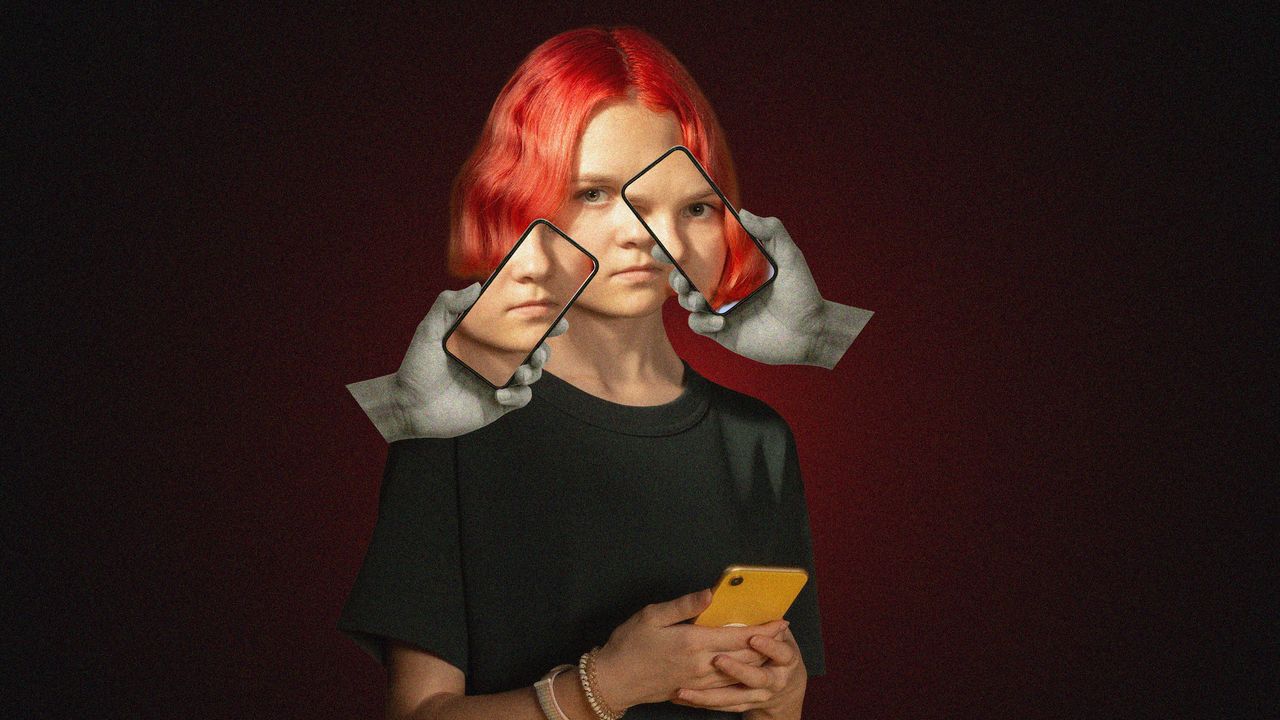
Beauty filters on Instagram have functioned as a real-time editing suite for years – smoothing skin, reshaping facial features, brightening eyes, slimming jawlines. For adult users, they remain a choice. For minors under the terms of this settlement, Meta will be required to remove access to those tools, which means the altered-face aesthetic that has dominated teen content creation faces a structural interruption, not just a policy nudge.
Enforcement is where the complexity lives. Meta has historically struggled to verify user ages with any real precision. Platforms that rely on self-reported birthdates have obvious gaps, and the settlement’s demands will push Meta to develop or implement stricter age verification mechanisms. Whether that means biometric checks, third-party ID verification, or something else entirely hasn’t been publicly detailed yet – but the $18 billion price tag makes the stakes of getting it wrong very clear.
The Beauty Industry’s Complicated Relationship With Digital Filters
Filters didn’t emerge from nowhere. They filled a gap between real skin and the idealized complexions flooding beauty advertising for decades. In that sense, the technology was always downstream of an older problem. What changed is scale – a teenager in 2024 can apply the same skin-perfecting layer to their face that once required a professional retoucher and a magazine budget, and she can do it in four seconds before posting a Story.
Dermatologists and mental health researchers have documented how prolonged exposure to filtered images – including one’s own filtered reflection – can distort body image. The condition colloquially called “Snapchat dysmorphia” entered clinical discussions as patients began arriving at plastic surgery consultations carrying filtered photos of themselves as reference points. That pattern has been noted across multiple age groups, but the concern is most concentrated around adolescents whose self-image is still forming.
Beauty brands that built influencer strategies around filter-heavy content will also feel this shift. A significant portion of teen-facing product promotion lives on Instagram Reels and Stories, often featuring creators whose skin appears uniformly poreless. If those creators are minors, or if their audiences skew minor, the visual language of that content changes. Brands that have leaned into aspirational, heavily filtered aesthetics may need to recalibrate what “authentic” looks like for younger demographics – not as a values statement, but as a platform requirement.
There is, notably, a counter-argument building among beauty creators who have spent years pushing unfiltered content. The #NoFilter movement has had genuine commercial traction – brands like Dove have built entire campaigns around unretouched imagery, and a growing number of indie beauty labels market themselves specifically on real-skin representation. For those corners of the industry, Meta’s mandated change arrives less as a disruption and more as institutional confirmation of something they’ve been arguing for years.

Platform Architecture Will Have to Shift
Banning filters for minors isn’t a simple settings toggle. Meta’s filter ecosystem is built into the camera interface at a foundational level, and the AR effects library is populated partly by third-party creators through Meta’s Spark platform. Restricting access by age group requires the company to build conditional logic into a system that was never designed with that kind of tiered functionality in mind.
The $18 billion settlement gives Meta the financial pressure – and arguably the resources – to make those architectural changes. But it also means the company is now legally accountable for outcomes, not just intentions. If a 15-year-old circumvents an age gate and accesses a skin-smoothing filter, Meta’s liability exposure under this agreement is a different kind of problem than it was before any settlement existed.
What Comes Next for Teen Beauty Culture Online
Teen beauty content isn’t going away. The appetite for tutorials, product reviews, and creative makeup videos among Gen Z is substantial, and none of the settlement’s terms touch that content category directly. What changes is the visual standard. Without access to filters that erase texture, redness, and asymmetry, teenage creators will be working with their actual faces – which, for most of them, means normal skin doing normal things.
That shift could ripple outward in ways that are harder to predict than the policy itself. Younger audiences who have grown up watching filtered content may find unfiltered teen creators more relatable – or the absence of filters may simply drive usage toward platforms not covered by the settlement. TikTok, YouTube, and BeReal all operate outside Meta’s agreement entirely.
The $18 billion figure tends to dominate headlines because it’s enormous, but the behavioral and aesthetic changes embedded in this settlement are arguably more durable. Money moves through a company once. A filter ban restructures how a generation of users relates to their own image every time they open a camera – and that is a much harder thing to reverse, or to fully anticipate.
Will platforms outside Meta’s reach quietly absorb the teen beauty filter audience Meta is now required to push away?