





The Charge Nobody Was Reading Closely
Somewhere between the runway and the retail floor, a quietly devastating line item has been bleeding fashion budgets dry. Ocean freight fuel surcharges – fees that carriers attach to shipments to offset the cost of bunker fuel – have long been accepted as a fixed, unquestionable cost of doing business. Retailers sign off on them the way they sign off on customs paperwork: reluctantly, automatically, without much interrogation.
That assumption is now cracking. A new analysis from VesselBot, a maritime data and analytics firm, found that a single large U.S. retailer had accumulated more than $2.4 million in potential fuel surcharge savings – money that was sitting unclaimed inside invoices that the retailer had already paid. The scrutiny comes amid heightened shipping fees connected to Iran war-driven disruptions, which pushed carriers to apply or expand bunker adjustment factors across major trade lanes.
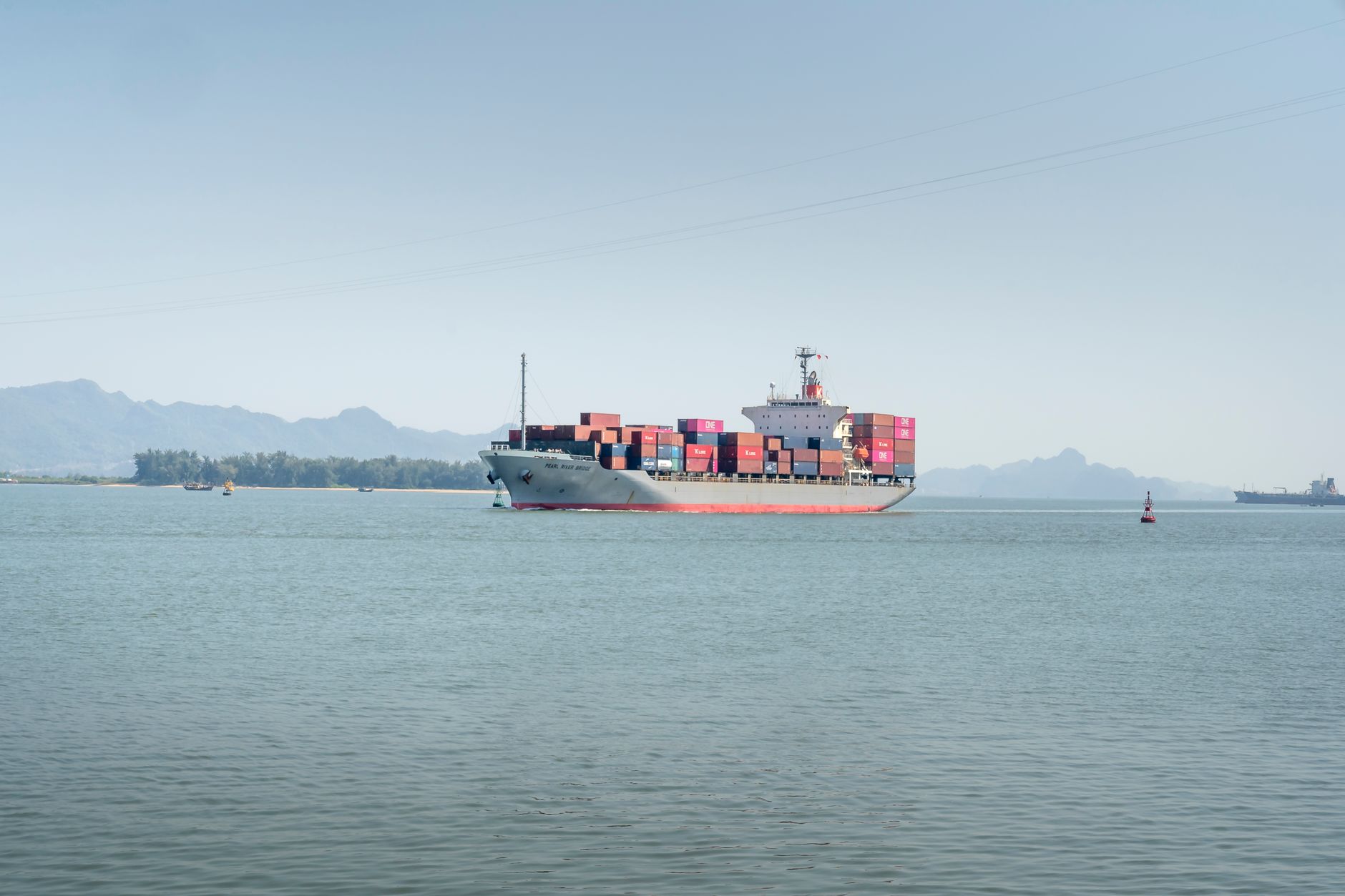
What Bunker Fees Actually Are – and Why They Slip Through
Bunker adjustment factors, sometimes listed as BAF or fuel surcharges, are variable charges that ocean carriers use to recoup the cost of the fuel their vessels burn. Unlike base freight rates, which are negotiated in contracts, bunker fees can be adjusted frequently and applied differently depending on the carrier, the route, and the market conditions at the time of shipment. For a retailer moving containers from manufacturing hubs in Asia to distribution centers in the U.S., those charges stack up across hundreds or thousands of shipments per year.
The problem is not that the charges exist – it’s that most retailers lack the internal infrastructure to audit them at scale. Logistics teams are processing invoices against a backdrop of SKU management, seasonal deadlines, and supplier negotiations. A surcharge that looks vaguely consistent with last quarter’s invoice gets approved. Then approved again. Then again. VesselBot’s analysis exposes what that pattern produces over time: a figure that, in one retailer’s case, crossed $2.4 million in recoverable overcharges.
The Iran war context matters specifically because it gave carriers a concrete justification for adjusting fuel-related fees. Disruptions to shipping routes in conflict-adjacent regions create legitimate cost pressures – rerouted vessels burn more fuel, crews face higher risk premiums, and insurance costs climb. But that legitimacy does not mean every surcharge applied during a period of disruption is accurate or fairly calculated. The gap between what carriers charge and what they can actually justify is where VesselBot’s benchmarking work operates.

Fashion’s Supply Chain Problem Is a Math Problem
The fashion industry’s exposure to ocean freight costs is enormous, and it is rarely discussed with the same energy as fabric sourcing or factory ethics. A mid-size U.S. apparel retailer might move dozens of container loads per month from Vietnam, Bangladesh, or China – every one of those shipments carrying a fuel surcharge that was calculated by the carrier’s internal methodology, applied to the invoice, and passed directly to the buyer.
Historically, retailers have had almost no visibility into whether those calculations were correct. Carrier tariff structures are complex, the underlying fuel indices they reference can vary, and the math connecting a vessel’s actual fuel consumption to a per-container surcharge is not something most retail finance teams are equipped to verify. The $2.4 million figure identified through VesselBot’s benchmark is striking not because it represents a single dramatic fraud, but because it accumulated through routine, unremarkable invoice approvals.
Why This Surfaces Now
Margin pressure across U.S. retail has pushed finance teams to audit costs they previously accepted as immovable. When freight rates were spiking during the pandemic-era supply chain crisis, fighting over surcharges felt secondary to just getting product on shelves. The environment has shifted. Rates have moderated on many lanes, and the question of whether retailers overpaid – and by how much – is now something companies have the bandwidth to investigate.
VesselBot’s position as a maritime analytics platform means it can compare what a retailer was charged against benchmarked rates across the market, surfacing discrepancies that would be invisible inside any single company’s accounting system. The methodology relies on aggregated data from actual shipments, not theoretical rate cards – which is why a $2.4 million gap can be identified with enough specificity to act on rather than simply flag.
For fashion retailers specifically, the timing intersects with a broader moment of supply chain restructuring. Brands are diversifying manufacturing away from China, adding new trade lanes that come with new carrier relationships and new surcharge structures they haven’t learned to scrutinize yet. Every new route is another invoice stream that hasn’t been benchmarked. The $2.4 million finding at one large retailer is almost certainly not an isolated case – it’s a data point that suggests systemic underauditing across an industry that moved $hundreds of billions in ocean freight annually.
The logistics calculus behind fashion distribution is rarely glamorous, but the financial stakes are direct enough that even the most brand-focused executives are starting to pay attention. A collection that arrives on time and on budget requires not just good design and reliable factories – it requires someone, somewhere, checking whether the number on the freight invoice is actually the right number.

The $2.4 million is already gone. The question is whether it keeps going.