



A Garden Transplanted
Dior’s latest retail activation in China didn’t arrive quietly. Under the name “Parisian Gardens,” the house launched simultaneous pop-ups across four cities, staging what amounts to a coordinated recreation of Parisian garden aesthetics deep inside some of China’s most trafficked shopping destinations.
Four Locations, One Aesthetic
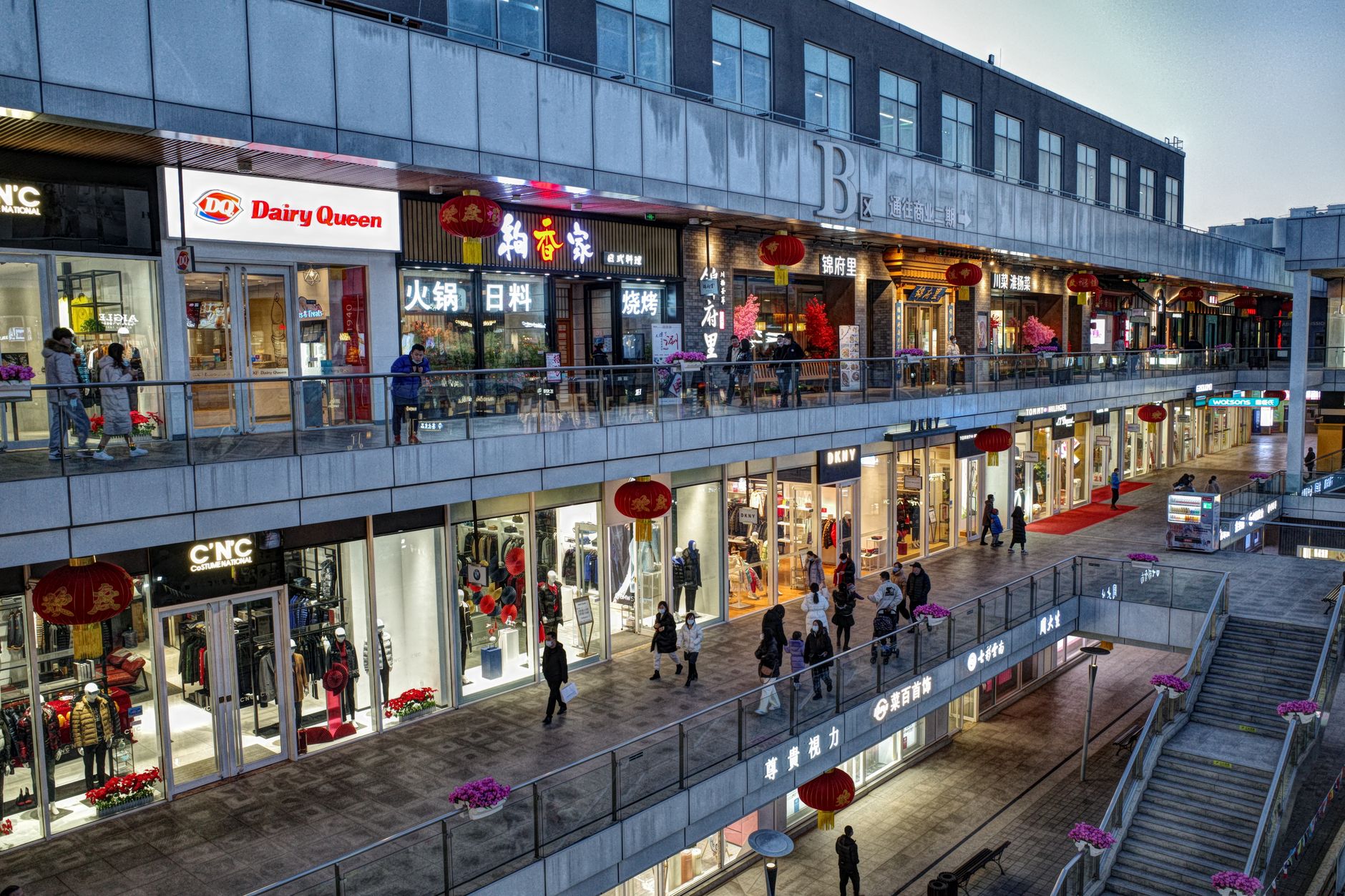
The pop-up took root in Beijing’s Sanlitun Southern District, one of the capital’s most commercially dense retail corridors, where foot traffic from both domestic shoppers and international visitors runs consistently high. The choice of Sanlitun signals that Dior wasn’t looking to tuck this experience away in a boutique setting – this was designed to be seen, entered, and photographed. Beijing as an anchor city gives any brand activation a layer of cultural weight that other markets can’t replicate.
From there, the “Parisian Gardens” concept moved south to Shenzhen, specifically the East Plaza of Shenzhen Bay’s MixC shopping mall. MixC properties across China have become something of a preferred home for luxury brand activations – they attract a consumer demographic that skews younger and higher-income, and the architecture of their plazas tends to support large-format brand installations with the open space needed to create genuine atmosphere rather than a glorified display table.
The other two cities in the rollout were Xiamen and Shenyang, both also hosted within MixC malls. That Dior relied on MixC as a consistent venue partner across three of the four locations is worth noting. It suggests a deliberate infrastructure decision – working within a mall network that can apply consistent standards across geographies while still allowing the pop-up to feel locally rooted through the surrounding consumer culture of each city.
Xiamen, a coastal city in Fujian province known for its relatively affluent, design-literate population, sits at something of a sweet spot for luxury brands testing reach beyond the first-tier cities. Shenyang, by contrast, brings Dior into northeast China, a region where luxury retail has historically lagged behind coastal markets but where appetite has grown steadily as disposable incomes have risen and brand awareness has deepened through social media.
What “Parisian Gardens” Actually Does for the Brand
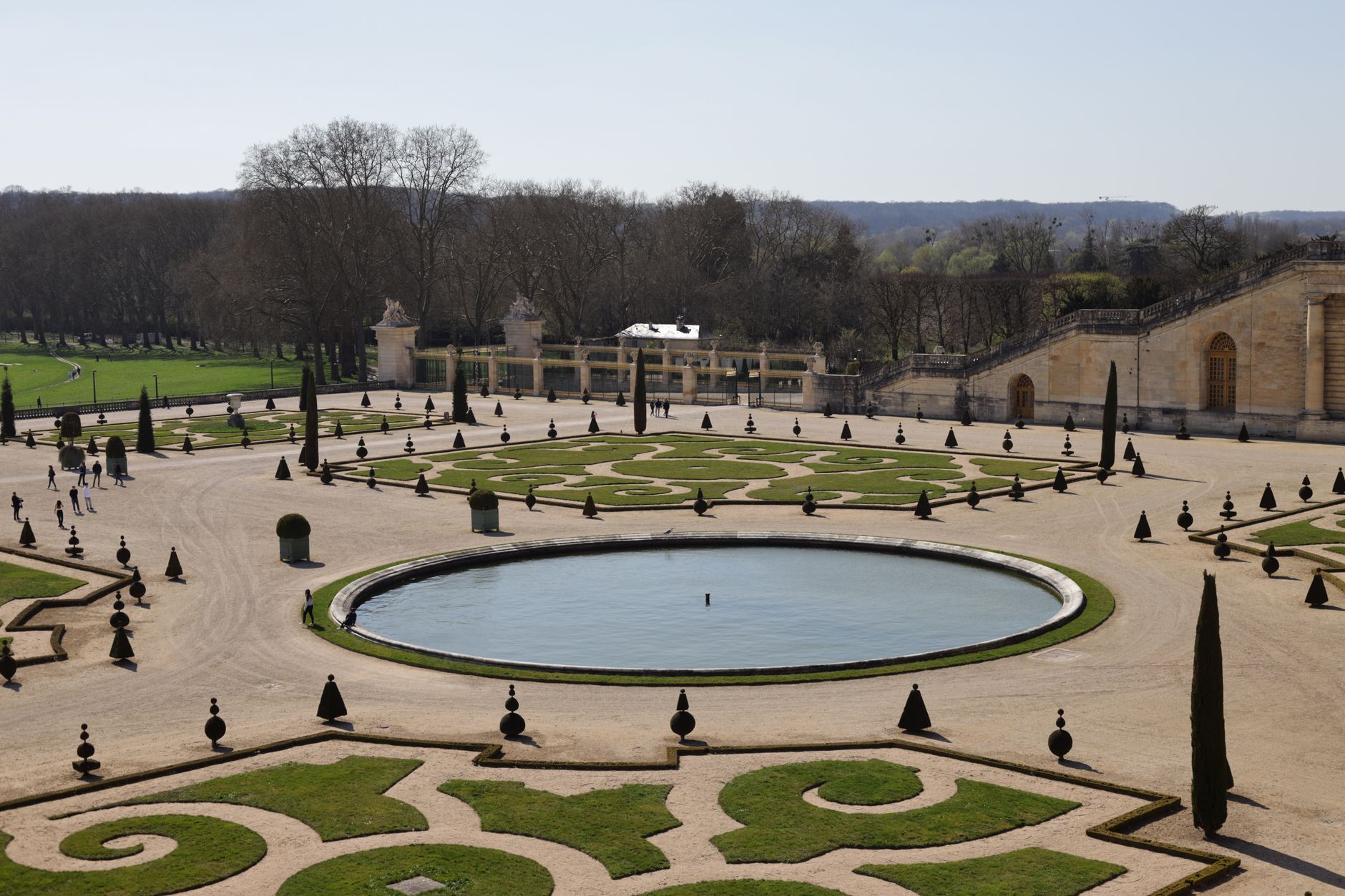
Calling a pop-up “Parisian Gardens” and tying it conceptually to the Tuileries – one of Paris’s most iconic formal gardens, situated between the Louvre and the Place de la Concorde – is a specific kind of brand storytelling. Dior’s headquarters and ateliers exist in a Paris that most Chinese consumers will visit in aspiration long before they visit in person, if they ever do. The pop-up format collapses that distance, bringing the geography of the brand’s origin into physical contact with consumers who are already deeply familiar with what Dior represents aesthetically, even if the Tuileries itself remains abstract.
This is not Dior’s first use of garden imagery as brand language. The house has returned repeatedly to floral and garden motifs across its runway collections, its fragrance lines, and its visual identity under Maria Grazia Chiuri, whose collections have frequently pulled from mythology, feminism, and the decorative traditions of French formal gardens. A pop-up that literalizes those references gives existing customers a tactile encounter with something they’ve seen rendered in silk and organza on runways.
The multi-city simultaneity is the more strategically interesting element here. Running four locations at once rather than staging them consecutively creates a unified media moment – all four cities generate content on the same days, social feeds populate together, and the brand occupies a wider share of luxury conversation in China at a single point in time. A staggered rollout would stretch the campaign but dilute the impact of any individual moment.
China’s luxury market has experienced enough volatility over the past few years – shifting consumer sentiment, changing regulatory environments, and the long hangover of pandemic-era retail disruption – that brands like Dior have had to recalibrate how they build presence outside of permanent boutiques. Pop-ups offer something a boutique cannot: they are by definition temporary, which creates urgency, and they can go where the consumer already is rather than requiring the consumer to seek out a fixed address.
The experiential retail format also produces something that a product page or even a runway broadcast cannot – a physical impression of scale and environment. Walking into a space designed to evoke a Parisian garden inside a Shenzhen mall is a genuinely strange and specific experience, and strangeness, handled well, is what gets remembered and shared. Whether Dior’s garden installations inside MixC malls achieved that quality of strangeness, or settled into polished pleasantness, matters considerably for whether the investment translates into brand heat.
Reading the Geography
The selection of Beijing, Shenzhen, Xiamen, and Shenyang sketches a rough map of Dior’s current ambitions in China – coastal and capital markets, yes, but also deliberate reach into Shenyang’s northeastern consumer base, which places this campaign closer to an infrastructure build than a showcase for existing strongholds. That spread, three cities anchored in MixC malls and one in Beijing’s Sanlitun, points to a retail strategy that prioritizes venue reliability over venue novelty.
What remains an open question is whether a garden named for Paris, staged inside four shopping malls simultaneously, lands as an immersive brand world or as a very well-dressed temporary shop. The difference between those two outcomes usually comes down to details that don’t survive the press release – the height of the floral arrangements, the quality of the materials underfoot, whether visitors linger or pass through.