






A Filmmaker’s Archive Becomes Someone Else’s Film
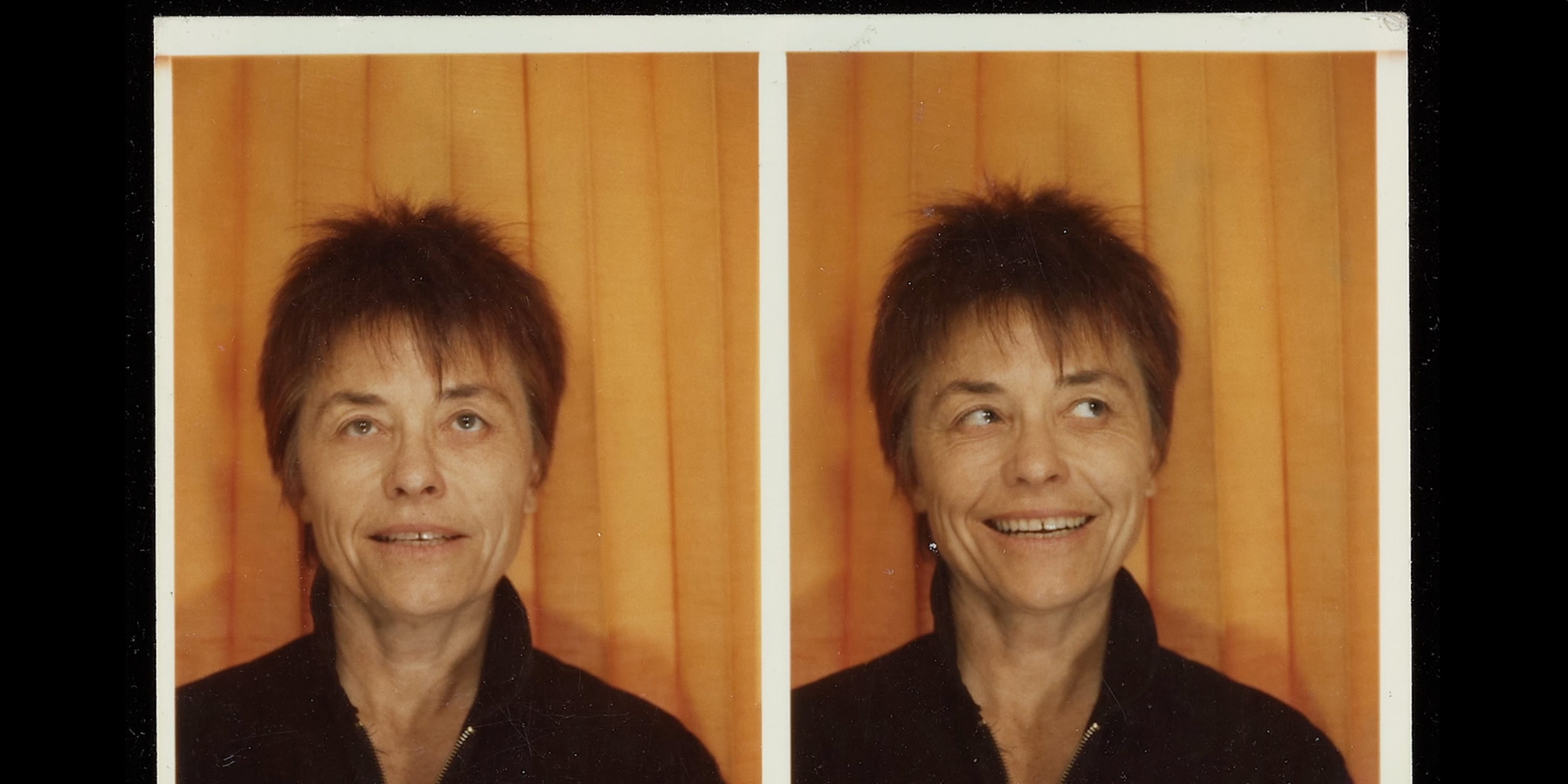
Barbara Hammer spent decades recording queer existence with a camera. Now a documentary called Barbara Forever, directed by Brydie O’Connor and executive produced by Kristen Stewart, turns that same obsessive documentation back on Hammer herself.

The Woman Behind the Lens, Finally in Front of It
Barbara Hammer built her career by refusing to look away. From the 1970s onward, she trained her camera on queer bodies, queer relationships, and queer dailiness at a time when mainstream cinema treated all of it as either invisible or pathological. She made over 80 films across five decades – experimental, erotic, political, and formally restless – and amassed a personal archive that functioned almost like a diary written in celluloid. That archive is the foundation on which O’Connor built Barbara Forever.
What O’Connor has constructed from that material is being called a hypnotic portrait, and the word fits. Rather than the conventional talking-head-and-b-roll structure that flattens so many artist documentaries into illustrated Wikipedia entries, Barbara Forever moves with the logic of Hammer’s own work – associative, visually driven, unwilling to settle into easy tribute. The film draws directly from Hammer’s personal archive, meaning viewers are seeing footage and imagery that Hammer herself chose to preserve, which gives the documentary an intimacy that feels earned rather than manufactured.
Hammer died in 2019 after a long illness. She had been public about her diagnosis and vocal about aging, mortality, and the body’s deterioration as subjects worthy of artistic attention – not despite being uncomfortable, but because of it. That directness shaped the final years of her practice, and it shapes Barbara Forever as well. O’Connor is working with material that Hammer herself handled, which means the film is partly a collaboration across time, even if that collaboration was never formally arranged.
Director Brydie O’Connor comes to this project with a sensibility that suits the subject. Her approach leans into the archive’s texture rather than smoothing it out. Hammer was an artist who believed in the rough edge, the grain, the evidence of process. A documentary that polished all of that away would have been a betrayal of everything the subject stood for – and from what has been described of Barbara Forever, O’Connor understood that risk clearly.
Kristen Stewart, Executive Producer, and the Politics of Who Gets to Champion Whom
Kristen Stewart’s name attached to this project as executive producer is not incidental. Stewart has been openly queer for years, and her presence in Hollywood carries a specific kind of cultural weight – she is recognizable enough to draw attention to projects that might otherwise circulate only within art-house and LGBTQ+ film festival circuits. The question of whether that visibility helps or complicates the reception of a film about a radically experimental filmmaker is worth sitting with. Hammer’s work was never designed for mainstream consumption. It challenged audiences formally and politically, often at the same time.
Stewart, for her part, has been moving steadily toward production work alongside her acting career, and her interest in centering queer narratives is consistent with the choices she has made publicly. Executive producing a documentary about a lesbian filmmaker who spent 50 years building an archive of queer life is not a branding exercise – it reads as a genuine extension of her stated values. Whether that alignment translates into wider distribution and audience reach for Barbara Forever remains the practical question underneath the cultural one.
Hammer was never a household name outside of film academia, queer cinema circles, and the art world. She showed work at institutions including the Museum of Modern Art and was a recipient of the Guggenheim Fellowship. She taught at institutions including CalArts and the School of Visual Arts. Her influence on what would eventually become the landscape of queer film is substantial, but that influence operated mostly through other filmmakers and scholars rather than through popular recognition. A documentary backed by Stewart has the potential to change that ratio.
The timing of Barbara Forever also matters. Queer history is under active political pressure in the United States, with legislative efforts in multiple states targeting what can be taught, shown, and discussed in public institutions. Releasing a documentary that centers the life and work of a queer artist who explicitly documented queer life across five decades is not a neutral act in this environment. Whether or not O’Connor and Stewart framed it in those terms, the film arrives in a context that makes it politically legible in ways that would have surprised no one more than Hammer herself – who was always political, but who also bristled at reductions.
Hammer spent her later career dealing with ovarian cancer, and she made work about that experience directly. A 2015 film, A Horse Is Not a Metaphor, addressed her treatment and its effects on her body with the same unflinching attention she brought to queer sexuality decades earlier. The continuity is important: for Hammer, the body was always the site, whether the subject was desire or disease. O’Connor inherits that framework and, based on early descriptions of Barbara Forever, honors it rather than softens it.
Fashion, Aesthetics, and the Visual Language Hammer Left Behind
Hammer’s influence extends beyond film into the broader vocabulary of how queer bodies have been represented visually – in photography, in fashion editorial, in the aesthetic registers that designers and art directors draw from when they want to signal something about sexuality and visibility. The experimental film tradition she worked within fed directly into music video aesthetics in the 1980s and 1990s, which fed into fashion imagery, which continues to circulate in the work of photographers and directors working today. That lineage is rarely traced back to its sources. Hammer is one of those sources.

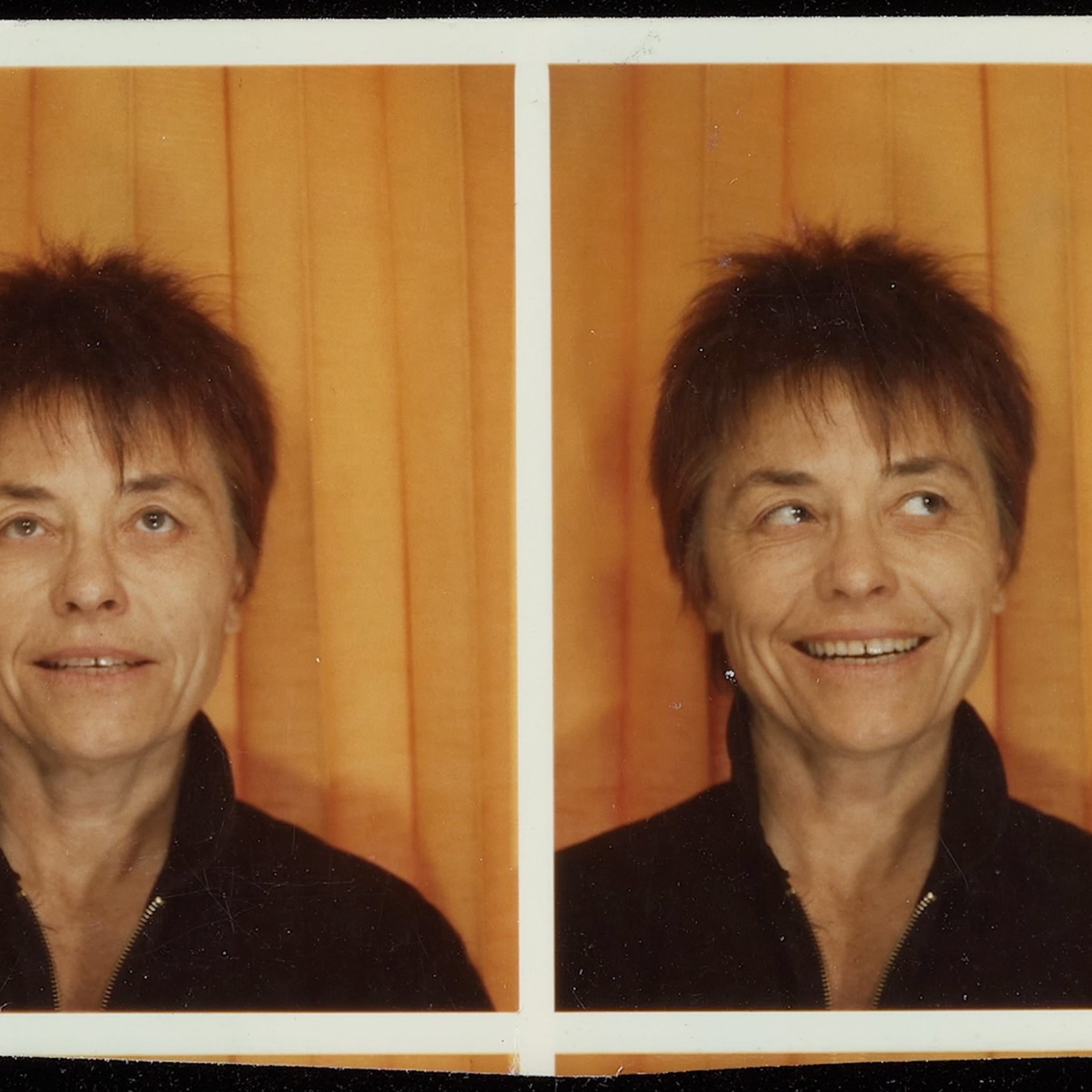
Barbara Forever is the kind of documentary that could reintroduce her to people who have been living inside her visual influence without knowing her name. O’Connor’s film, built from Hammer’s personal archive and shaped by Stewart’s producing support, is positioned to do something that Hammer herself never quite managed during her lifetime: make her work legible to an audience large enough to actually argue about it. Whether a hypnotic portrait of a radically experimental filmmaker can find that audience – or whether “executive produced by Kristen Stewart” does more work than the film itself – is the tension the release will have to navigate.