






The Court Goes Digital – Again
NBA 2K27 is out now, and this year’s release is doing something the franchise has never attempted before: putting men and women in the same competitive space while doubling down on footwear culture as a core part of the experience.

Sneakers as a Feature, Not an Afterthought
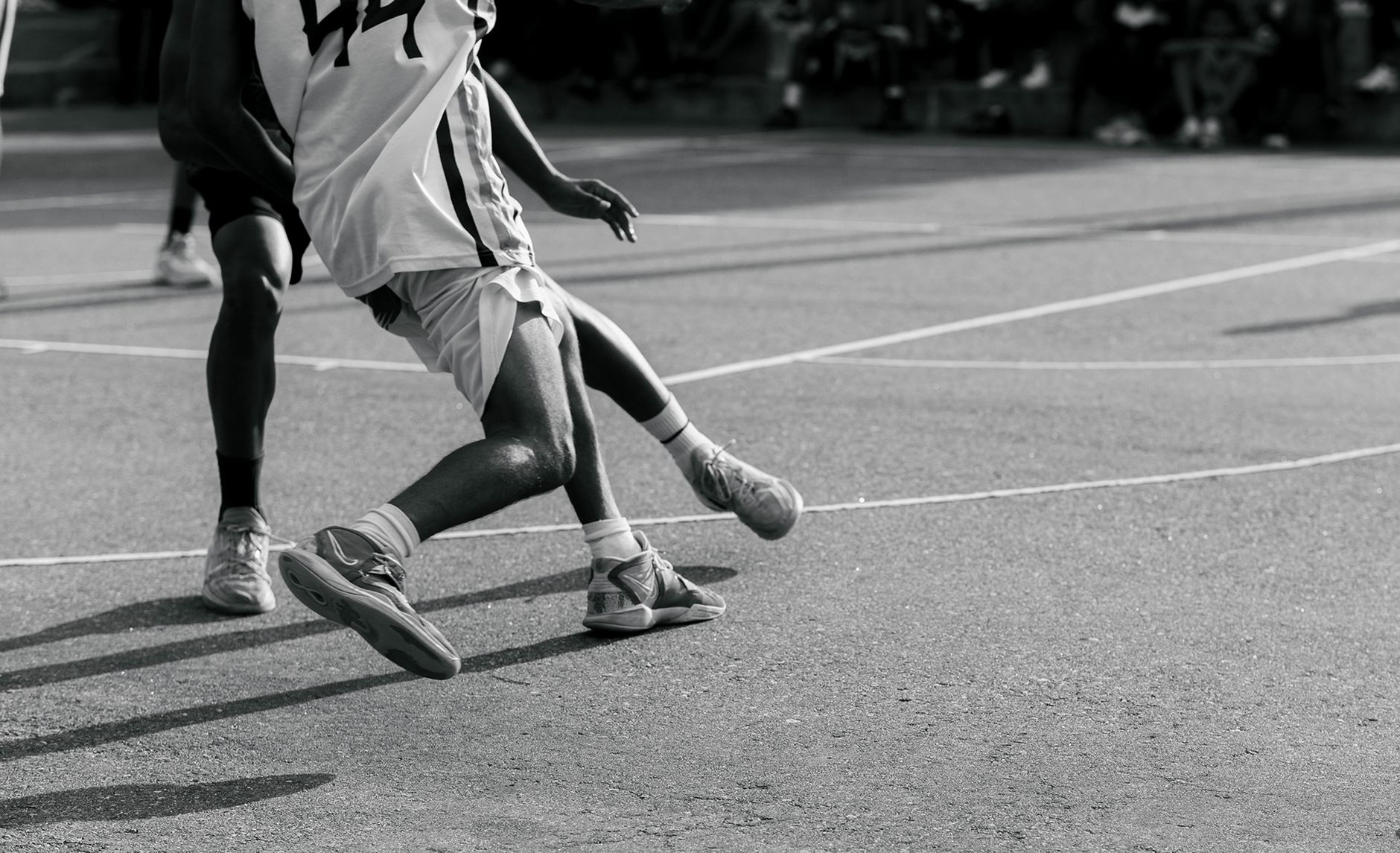
For anyone who follows the intersection of basketball and sneaker culture, NBA 2K has long functioned as a kind of virtual showcase – a place where heat that drops on the physical market also lands in the game. But NBA 2K27 is expanding that relationship with new brand partnerships and sneaker additions that go beyond the standard roster refreshes players have come to expect from annual installments.
The franchise has built its footwear credibility over years of careful licensing deals, and the latest version continues that pattern with new brands entering the digital locker room. The specifics of which labels are joining the lineup signal that 2K is paying attention to where sneaker culture is actually moving – not just the dominant players, but the brands gaining traction with younger, style-conscious consumers who treat their in-game loadout with the same seriousness as their real-world rotation.
Virtual sneakers occupy a strange and increasingly important cultural position. For a generation of players who grew up watching YouTube unboxing videos and tracking StockX prices, seeing a shoe rendered in-game carries genuine weight. It functions as both validation for the brand and advertising that doesn’t feel like advertising – a distinction the industry has spent the better part of a decade trying to manufacture through other channels.
The footwear additions in NBA 2K27 arrive at a moment when gaming and physical retail are influencing each other in ways that were not possible five years ago. A colorway that debuts in a game can generate enough noise to drive demand for its real-world counterpart. That loop – digital release fueling physical interest – is now a documented part of how sneaker brands think about product launches, and NBA 2K sits at the center of that ecosystem with an audience that spans multiple age brackets and markets globally.

The Co-ed City Mode Changes the Equation
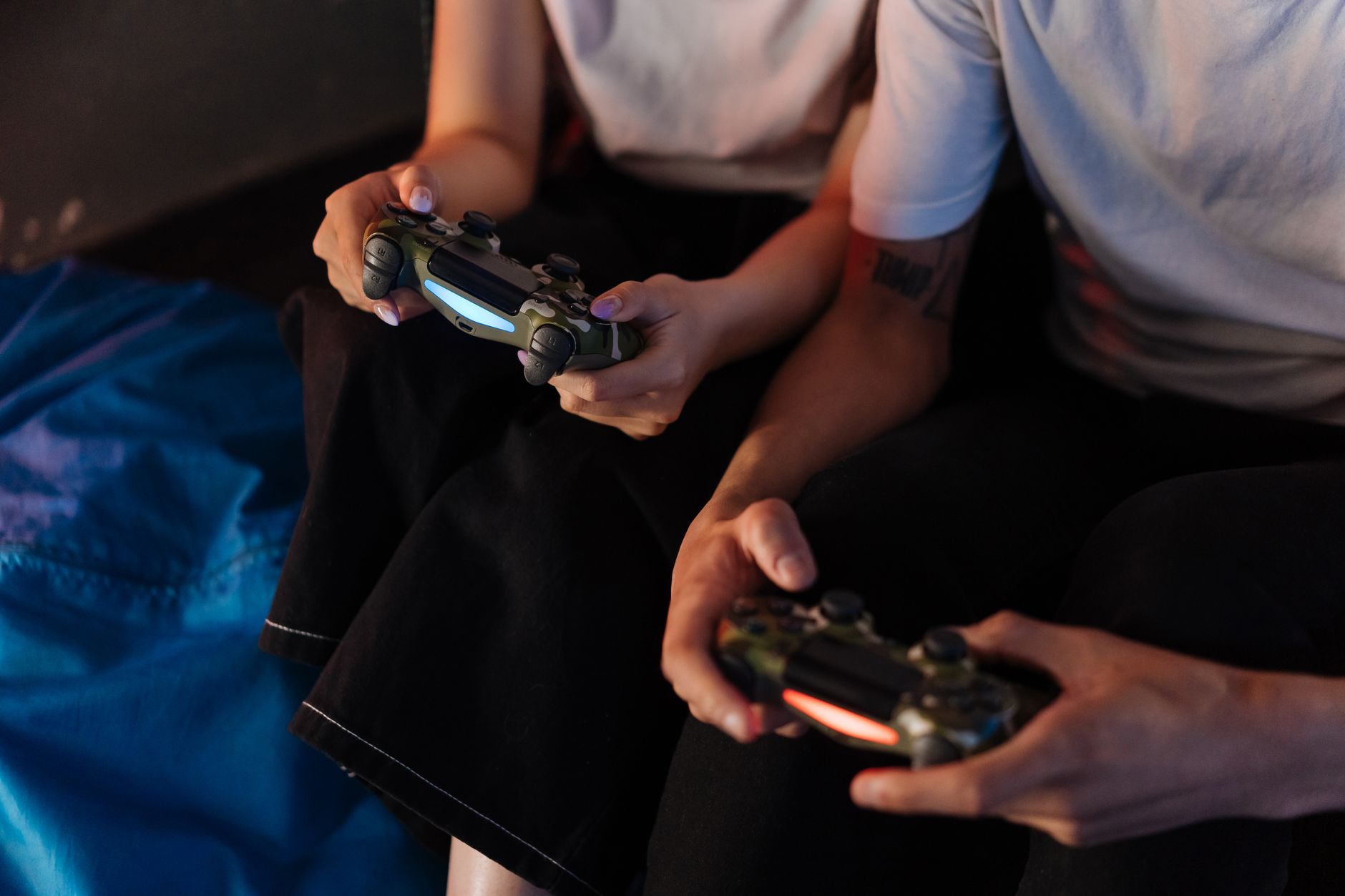
The headline structural change in NBA 2K27 is the introduction of a first-ever co-ed City mode. The City has been one of the franchise’s most-played environments since its expansion in earlier installments – an open-world basketball hub where players build their MyPlayer characters, compete in runs, and navigate a social economy built around status, style, and skill. Adding women to that space is not a cosmetic update. It rewires who the game is actually made for.
Women’s basketball is at a visibility peak in the United States right now, driven by the WNBA’s highest ratings in years and a wave of college stars – particularly from the 2024 NCAA tournament – who crossed over into mainstream celebrity. Caitlin Clark, Angel Reese, and others did not just grow the sport; they grew an audience that expects to see women athletes represented in the same spaces where men have always played. NBA 2K27’s co-ed City mode is arriving directly into that cultural moment.
From a footwear angle, the co-ed expansion matters because it opens the in-game market to women’s silhouettes, women’s colorways, and women’s athlete signatures in a way that a men-only environment structurally could not support. Brands that have been building out women’s basketball lines – and the list has grown considerably since 2020 – now have a virtual environment where those products can exist alongside men’s offerings at the same competitive level, not as a separate, secondary category.
The City mode also drives some of the heaviest in-game spending behavior. Players invest in their characters’ appearance – shoes included – because the open-world social setting puts those choices on display in front of other users in real time. That dynamic turns virtual sneaker purchases into a form of self-expression that mirrors what happens on an actual court, where what’s on your feet communicates something about who you are before you even touch the ball. Opening that arena to women players means the audience for in-game footwear products is measurably larger in NBA 2K27 than in any previous version.
What’s less clear is how the co-ed format will handle competitive balance and matchmaking – questions that matter to the hardcore player base and that will determine whether the mode retains users past the initial curiosity phase. If 2K gets that right, the City becomes a genuinely new kind of social space in sports gaming. If the execution is uneven, the novelty fades fast. The sneaker brands that signed on for this cycle are watching those numbers closely, because sustained engagement in the City is what converts virtual visibility into actual consumer behavior.
What Comes Next for Virtual Footwear
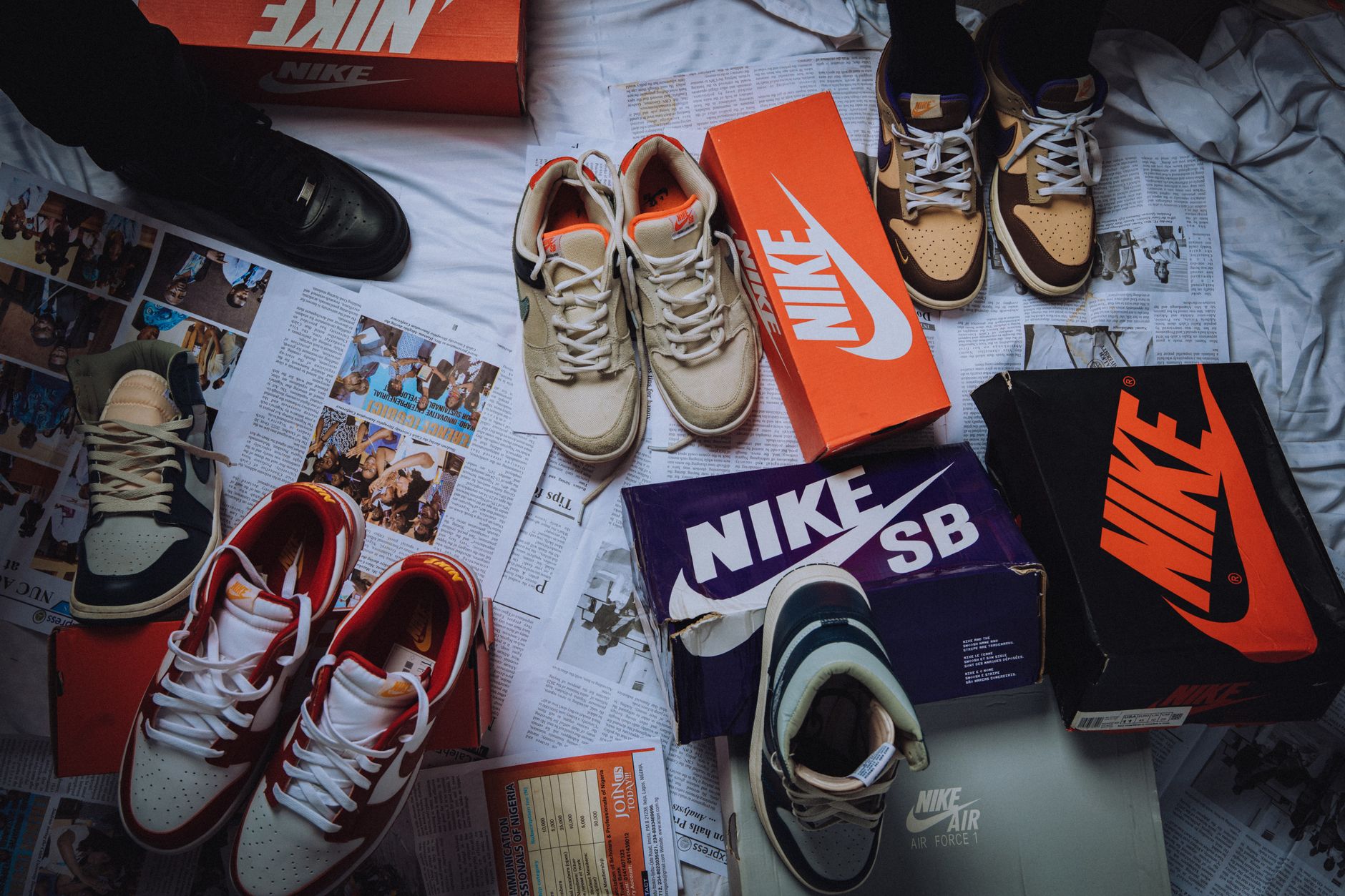
NBA 2K27’s moves this year reflect a broader maturation in how video game publishers think about fashion and footwear partnerships. The era of slapping a logo on a generic shoe model and calling it a collaboration is over. What brands and publishers are building now are structured, multi-year relationships where in-game representation is one piece of a larger marketing architecture that includes physical product, social content, and athlete endorsement.
The question NBA 2K27 leaves open is whether the new brand additions and the co-ed City mode will translate into the kind of cultural conversation that the franchise generated when it first started taking sneakers seriously – or whether the annual release cycle works against the sense of occasion that makes a footwear moment actually land. A shoe that’s available every year in a game that ships every year has to work harder to feel like news.