






From Repetto to a Broader Play
Birkenstock’s collaboration with French ballet brand Repetto turned heads last season, but for CEO Oliver Reichert, that project wasn’t a one-off experiment – it was a signal. Reichert has since gone on record saying the ballerina silhouette will dominate footwear for the next three to five years, a window long enough to shape product roadmaps, retail strategy, and consumer expectations across the entire industry.
What makes that forecast particularly pointed is the path he traces to get there. Ballet flats didn’t just sell well – they created appetite for something adjacent: the mary jane. That strap-across-the-foot detail, long associated with schoolgirl uniforms and 1990s nostalgia, has now entered the same breath as serious footwear investment at one of Europe’s most storied heritage brands.

The Logic Behind the Ballerina Bet
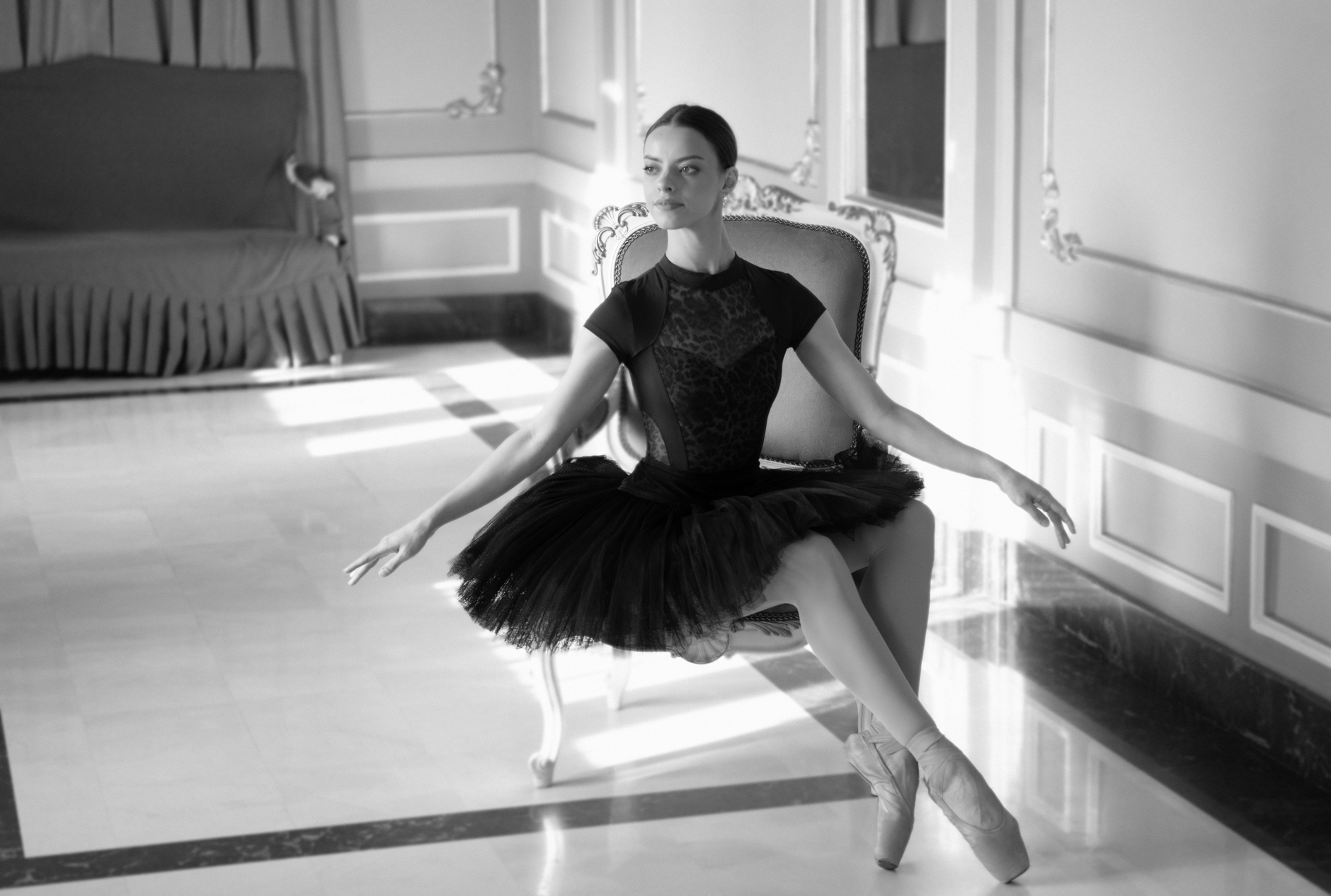
Birkenstock’s confidence here isn’t arbitrary. The brand’s Repetto collaboration demonstrated that its customer base – traditionally associated with orthopedic comfort and cork-soled sandals – has real appetite for fashion-forward silhouettes when the execution is credible. Repetto’s identity is rooted in professional dance; putting those two worlds together produced something with genuine cultural weight rather than a hollow crossover moment.
Ballet flats as a broader trend have been building pressure across the market for several seasons. The move from flat, simple ballet shapes toward the mary jane variant follows a pattern that footwear often traces: a foundational silhouette normalizes, then consumers begin looking for the next degree of detailing. The strap adds structure, a slightly dressier feeling, and just enough visual complexity to refresh what might otherwise feel like a repeat purchase.
Reichert’s three-to-five-year timeline is worth sitting with. Most trend forecasts operate in 12 to 18-month windows, hedged with qualifications. Staking out half a decade signals that Birkenstock isn’t reading this as a micro-trend – they’re treating ballerina and mary jane silhouettes the way they treat the cork footbed: as a foundational category decision, not seasonal decoration.


What This Means for Product and Positioning
For a brand whose global identity has been built on the Arizona sandal and the Boston clog, moving aggressively into ballet-adjacent territory requires careful handling. The risk is not irrelevance – Birkenstock’s revenue position is strong – but dilution. A brand that tries to be everything to the ballerina consumer and the trail-walking consumer simultaneously can lose the clarity that made it desirable to both.
The Repetto collaboration offered a template: work with a partner whose authority in the target silhouette is unimpeachable, rather than attempting to own that authority alone. If Birkenstock expands its ballet strategy through further collaborations – with designers or houses already embedded in that aesthetic vocabulary – it can extend the trend’s runway without stretching its own brand identity past the point of coherence.
The Mary Jane Moment Inside the Larger Shift
The specific callout of mary janes as a downstream effect of ballet flat demand tells a precise story about how footwear consumers are moving right now. It’s not that ballet flats are declining – it’s that having accepted the flat, low-profile silhouette, buyers are ready for iterations. The strap becomes the upgrade. It changes the outfit relationship, works differently with trousers versus skirts, and gives the wearer a new visual option without abandoning the comfort logic that drove them to ballet shapes in the first place.
Heritage brands with strong craft positioning are in a better spot to capitalize on this than fast-fashion footwear players. Mary janes require quality hardware and clean strap construction to look intentional rather than cheap. Birkenstock’s manufacturing reputation – the brand has long emphasized its German production standards and material sourcing – gives it a credibility advantage in a silhouette where execution details are immediately visible.
Whether Birkenstock moves on this through in-house design, further high-profile collaborations, or a combination of both hasn’t been specified publicly. What Reichert has put on record is the directional conviction: ballerina is not a moment to ride briefly and exit. It’s a multi-year category, and the brand intends to go bigger inside it.
The question hanging over that ambition is whether the mary jane, specifically, can hold consumer attention across five years without fragmenting into too many sub-directions – chunky-soled versions, embellished versions, sport-inflected versions – that dilute the clean silhouette Reichert is betting on.