





Your Hair Has Been Through It
Heat tools, bleach, tight braids, hours in the sun without so much as a leave-in – hair takes a beating from every direction, and most of us keep pushing it further than it wants to go. The good news is that the damage doesn’t have to be permanent, and the products designed to walk strands back from the edge have gotten genuinely impressive over the past few years.
This isn’t a list pulled from a press release. Every product below has been editor-tested, meaning someone actually used it, washed with it, sat under a dryer with it, or slept in it before making a call. That distinction matters when you’re spending real money on something you’re putting in already-fragile hair.

What’s Actually Causing the Damage
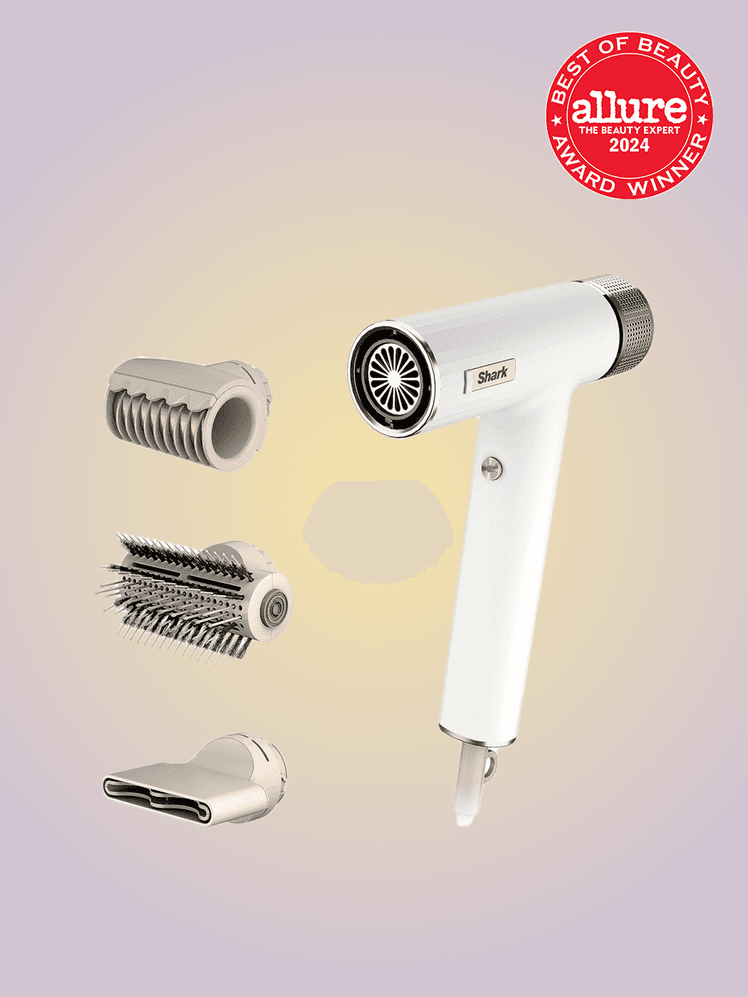
Before throwing money at a shelf full of serums, it helps to know what you’re dealing with. Heat styling – flat irons, curling wands, blow dryers set to high – breaks down the protein bonds inside the hair shaft over time. A single blowout won’t ruin your hair, but the cumulative effect of daily heat without protection is what leaves strands brittle, dull, and prone to snapping at the ends.
Bleaching is a different category of damage entirely. The chemical process lifts the cuticle to remove pigment, and if it’s done repeatedly or incorrectly, the cuticle never fully closes again. That’s why bleached hair tends to feel porous and dry – it’s literally more open to moisture loss. High-tension styles like tight ponytails and braids worn for extended periods stress the follicle, which can cause breakage at the hairline and thinning over time. UV exposure rounds out the list, quietly degrading the outer layer of the strand the same way sun damage works on skin.
The products that work best for damaged hair tend to target one or more of these specific mechanisms – sealing the cuticle, rebuilding protein structure, or blocking environmental aggressors before they get in. A product that claims to do all three simultaneously deserves some skepticism, but a few actually deliver.
Heat Damage: Prevention Beats Recovery
If heat styling is the main culprit in your routine, the most effective investment you can make is a quality heat protectant applied before every single session – not most sessions, every one. Products in this category have improved significantly, with formulations that coat the strand and raise the threshold at which heat begins to cause structural damage.
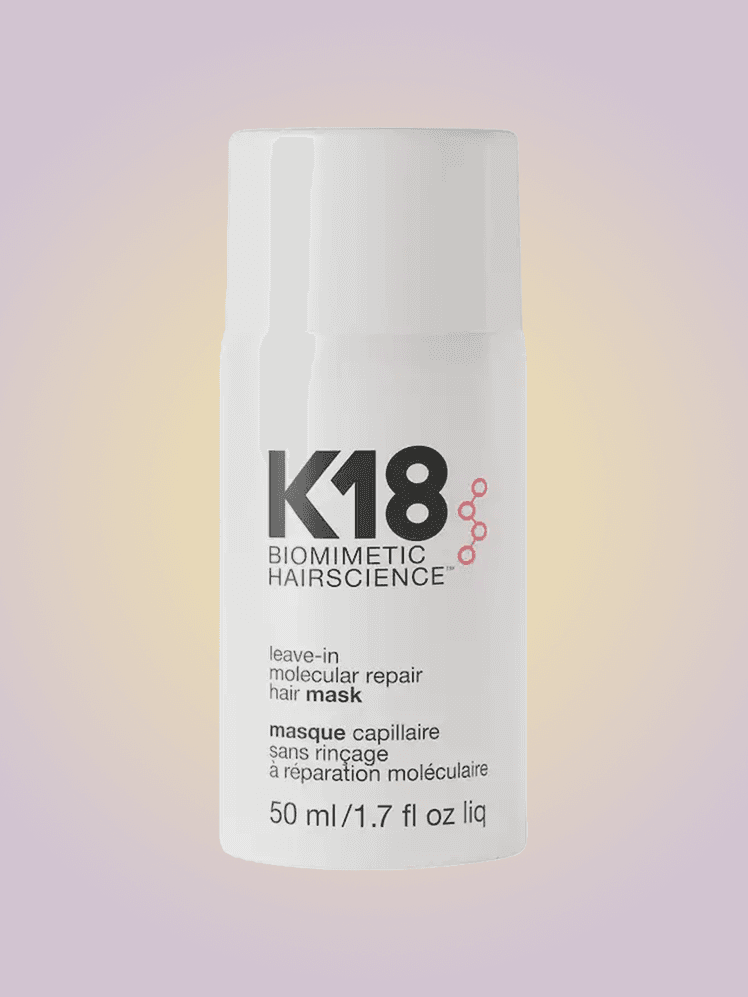
For hair that’s already deep in heat damage territory, protein treatments become important. The hair shaft is made primarily of keratin, and when that protein structure degrades, no amount of moisturizing conditioner will restore the strength. Bond-building treatments – the category that products like Olaplex helped define – work by reconnecting broken disulfide bonds inside the strand. They don’t just coat the outside; they work structurally. That’s a meaningful difference when you’re trying to get damaged hair to behave and grow without constant breakage.
Bleach, High-Tension Styles, and Sun Damage
Chemically processed hair needs a different approach than heat-damaged hair, even though the two often overlap. Bleached strands are thirsty in a way that requires heavier, more occlusive products – think masks over conditioners, oils over lightweight serums. Ingredients like shea butter, castor oil, and ceramides help fill in the gaps that the bleaching process created in the cuticle, making hair look smoother and reducing how much moisture it loses between washes.
High-tension styles call for attention to the scalp as much as the strand. Keeping the scalp healthy – exfoliating it occasionally, not wearing tight styles for consecutive weeks without breaks – is what prevents the kind of traction-related thinning that products alone can’t reverse once it sets in. For sun damage, the fix is partly protective (wearing a hat, using products with UV filters) and partly restorative. Leave-in conditioners with antioxidants help neutralize the oxidative stress that UV rays cause at the surface level, which is the same logic behind vitamin C in skincare.
What to Actually Shop For
The product categories worth your attention when shopping for damaged hair are: bond-building treatments, protein masks, scalp-focused serums, UV-protective leave-ins, and heat protectants with actual film-forming agents listed in the ingredients. A product with a long, scientific-sounding name on the label isn’t necessarily better than one with a short ingredient list – what matters is whether the right ingredients are present and whether they’re listed high enough to be effective.
Silicones, which appear in many smoothing products under names ending in “-cone” or “-siloxane,” aren’t inherently bad for damaged hair. They create slip, reduce frizz, and make hair feel better immediately. The catch is that they can build up over time without a clarifying shampoo in the rotation. Using a clarifying wash once every week or two clears the buildup and lets moisturizing products penetrate more effectively when you go back to them.
Oils deserve their own note. Not all oils behave the same way on hair. Lighter oils like argan and grapeseed absorb relatively quickly and work well as finishing products. Heavier oils like castor and coconut tend to sit on the surface, which makes them better as pre-wash treatments or sealants over moisture rather than standalone products. Applying heavy oil to dry, unsaturated hair can actually prevent moisture from getting in – it seals the strand, for better or worse, depending on what’s already inside it.
For anyone dealing with UV damage specifically, the options have grown beyond basic leave-ins. Some styling creams and sprays now include broad-spectrum UV filters formulated for hair, similar to what’s been standard in skincare for decades. Ulta’s rotating sales are worth watching for discounts on the better-known brands in this category, which tend to run expensive at full price.
One thing the editor-tested process consistently reveals: the products that work best for damaged hair are almost never the ones that promise the fastest results. Rebuilding compromised hair structure takes time, repeated use, and usually a combination of products rather than one hero item. The brands that quietly say “use twice weekly for eight weeks” tend to outperform the ones promising salon-smooth results after a single application. That gap between the marketing and the actual timeline is where most people give up – right before the product would have started to work.