




Sneakers on Demand, No Store Trip Required
Foot Locker and Champs Sports are now available on Uber Eats, letting shoppers order footwear for on-demand or scheduled delivery ahead of back-to-school season – through more than 1,000 doors combined.

What the Partnership Actually Covers
The move puts both Foot Locker and Champs Sports inside the Uber Eats app, the same platform most people associate with late-night restaurant orders or a forgotten bottle of shampoo. Now it’s where you can score a pair of sneakers before the first school bell rings. The delivery option spans over 1,000 store locations between the two brands, giving the partnership meaningful geographic reach rather than a soft pilot confined to a handful of cities.
Shoppers get two delivery modes: on-demand, which pulls from nearby store inventory for fast turnaround, and scheduled delivery, which lets buyers lock in a time that works for their week. That flexibility matters during back-to-school, a season defined by last-minute shopping runs and parents who would rather not spend a Saturday afternoon in a mall.
Foot Locker has been working to reposition itself as more than a physical retail box. The company has invested in elevated store formats and brand partnerships, and adding an on-demand delivery channel through a platform with Uber Eats’ scale fits into that wider push to meet customers where their attention already lives. Champs Sports, which sits under the same parent company, benefits from the same infrastructure without needing its own separate logistics buildout.
The timing is deliberate. Back-to-school is the second-largest shopping event of the year for footwear, trailing only the holiday season. Families stocking up on new kicks for September have historically done so in-store, but delivery habits formed during and after the pandemic have shifted what shoppers expect – including how fast they expect it.

Why a Food Delivery App Is Selling Sneakers
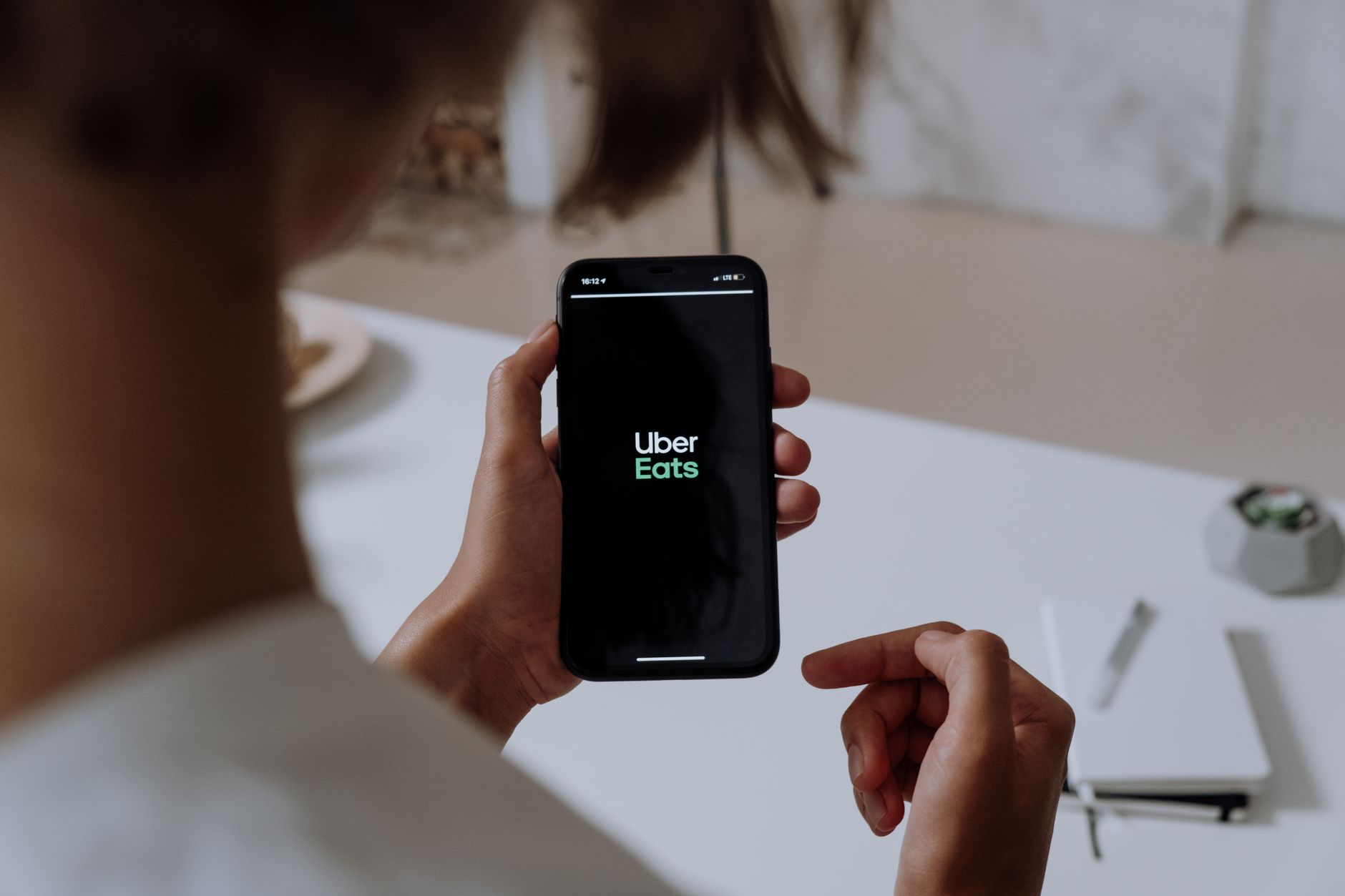
Uber Eats expanding into retail and footwear is not a new development, but each partnership adds to the argument that the app is building something more durable than a food-delivery business. The platform already carries convenience goods, electronics accessories, and beauty products through various retail partnerships. Sneakers from Foot Locker and Champs Sports are a natural extension of that category creep – high-frequency consumer goods with urgency attached.
For Uber Eats, the appeal is straightforward: footwear has a higher average order value than most restaurant orders, which improves the economics of each delivery. A pair of sneakers from Foot Locker typically clears $80 to $100 at minimum. That revenue per delivery far outpaces a $15 burrito bowl, and the platform captures a percentage either way.
For Foot Locker and Champs, the calculation is about customer acquisition as much as convenience. Uber Eats carries a massive installed user base – people who already have payment information saved, location services enabled, and a habit of opening the app when they want something brought to them. Appearing in that environment puts both brands in front of shoppers who might not have walked into a physical Foot Locker that week, or at all.
The 1,000-plus door count is also a logistical asset. Delivery apps live or die on proximity – a store two miles away can fulfill an order in under an hour, while one ten miles out creates friction. Having more than 1,000 locations as potential fulfillment points shortens that distance for a significant portion of the U.S. population, making the on-demand option genuinely fast rather than aspirationally fast.
Back-to-school shopping has also shifted earlier every year, with many families starting their purchases in late July rather than waiting for August. A delivery option through Uber Eats gives those early shoppers an additional channel without Foot Locker or Champs needing to staff up for a surge or reconfigure their store layouts. The stores fulfill the order; the app handles the customer relationship.
What This Signals for Footwear Retail
Footwear retail has largely treated physical stores and e-commerce as two distinct channels, with delivery operating as an extension of the brand’s own website or app. Partnering with a third-party platform like Uber Eats introduces a different dynamic – the customer experience, from browsing to checkout, happens entirely inside Uber’s ecosystem, not Foot Locker’s. That’s a deliberate trade-off: less control over the journey in exchange for access to Uber’s traffic.
Whether other footwear retailers follow into the Uber Eats environment may depend on how this back-to-school window performs. If on-demand delivery through the app drives meaningful incremental sales rather than just cannibalizing existing online orders, the case for a broader rollout – or for other brands striking similar deals – becomes harder to ignore. The question is whether a shopper browsing Uber Eats for dinner ends up adding a pair of Nikes to their cart, or whether the two behaviors stay stubbornly separate.