






When Grief Looks Like Grocery Shopping
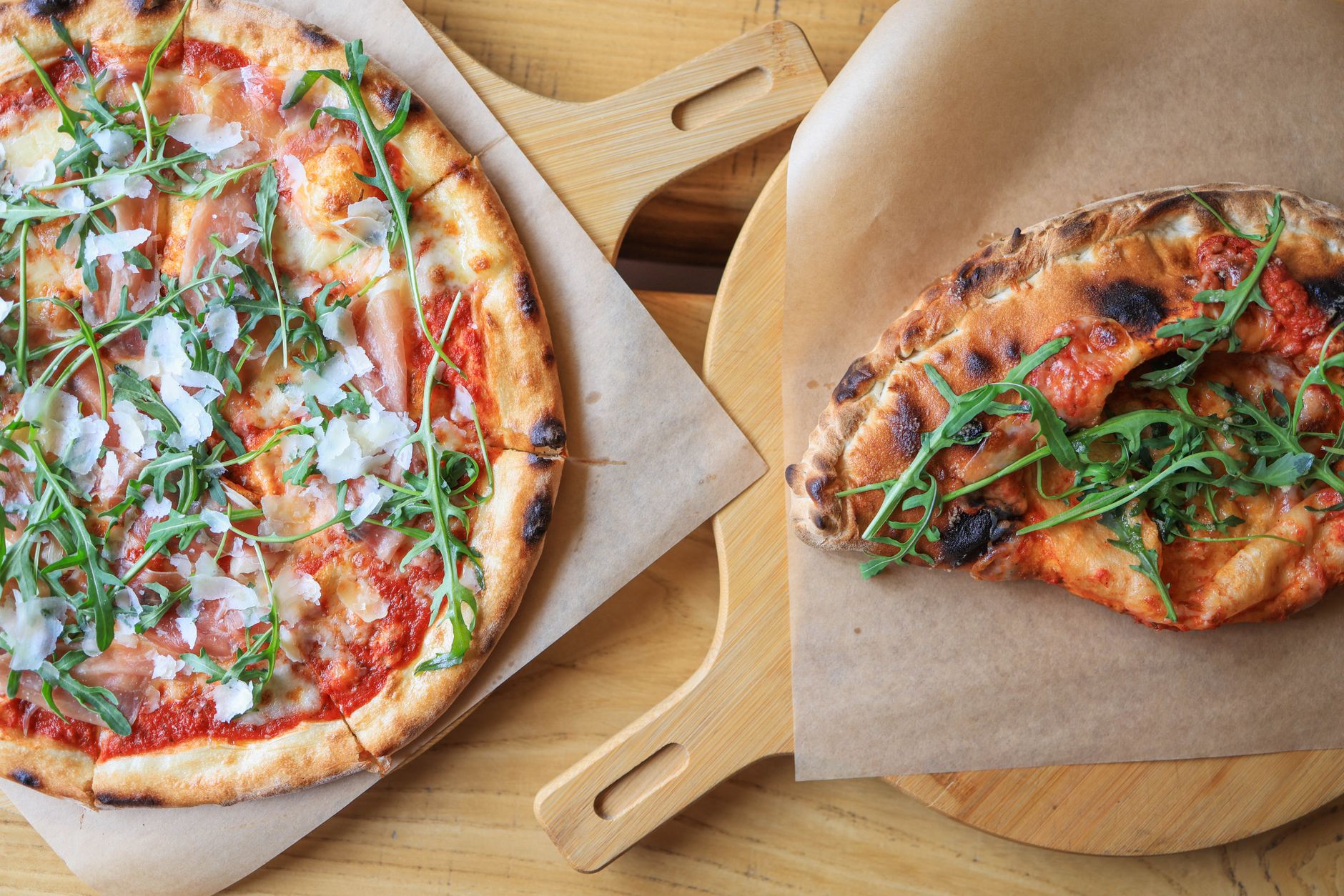
Hollis Shaw has just learned her late husband was having an affair for the final ten months of his life. She is 53 years old, a cooking influencer with a curated life, a viral Instagram account called Hungry with Hollis, and a decades-long habit of not dealing with things – “frosting over them,” as she puts it, “sometimes with actual frosting.” The revelation could break her open in any number of spectacular ways. Instead, she drives to an upscale grocery store, buys peaches, and comes home to make homemade pizza for her friends.
That single scene tells you almost everything you need to know about The Five Star Weekend, the eight-episode Peacock series starring Jennifer Garner. It is a show about what women actually do when their lives quietly detonate – which, more often than anyone on television is willing to admit, involves cooking something nice and keeping it together just long enough to pour the wine.

What Peacock’s New Series Gets Right About Female Friendship
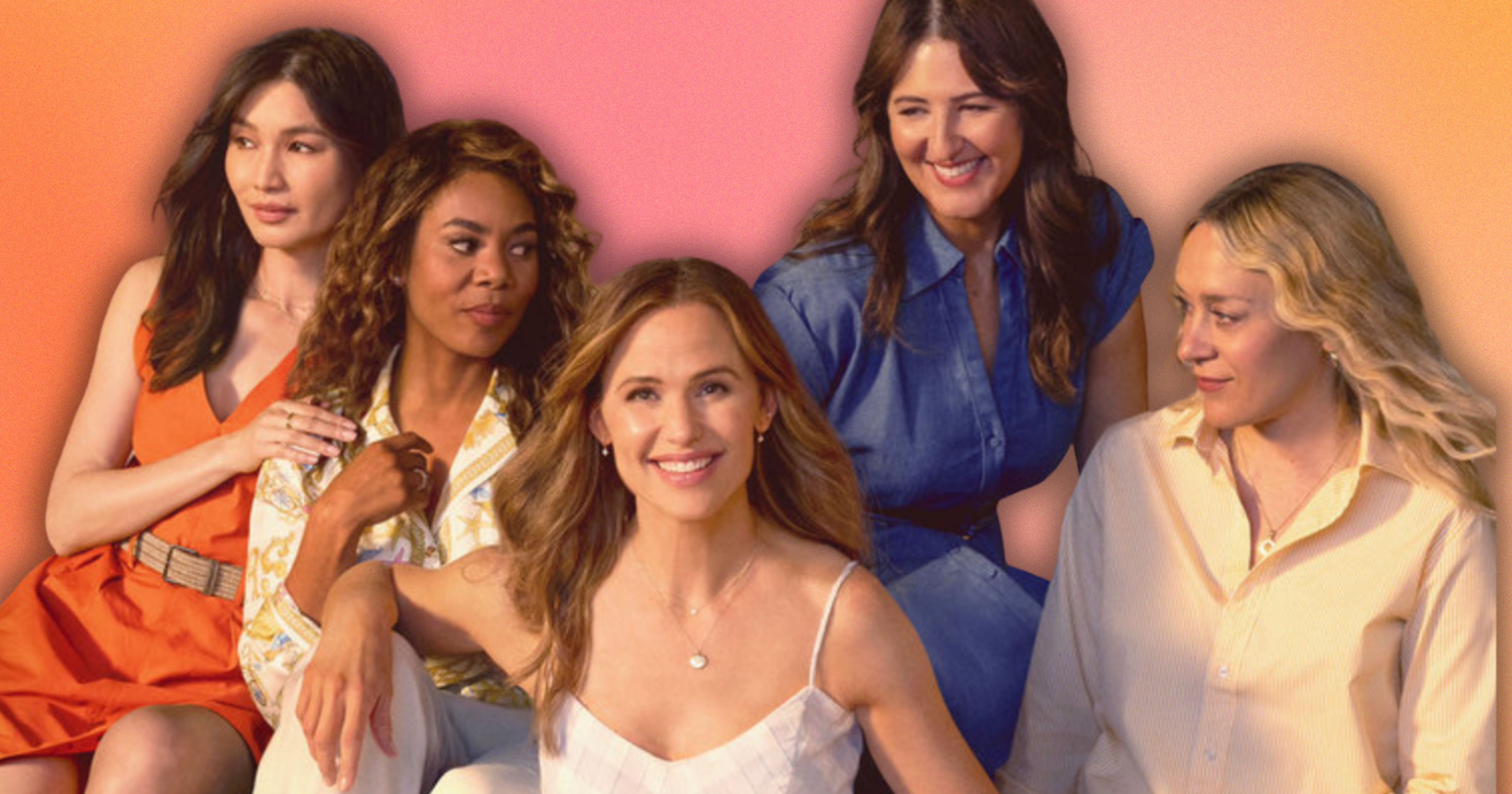
The girls-weekend premise has become a reliable container for escalating drama on streaming. Somewhere between episode two and the finale, someone usually goes missing, or gets poisoned, or at minimum sleeps with someone else’s husband. The Five Star Weekend declines that offer entirely. The crises here are slower and harder to explain at a dinner party – grief that doesn’t arrive on schedule, the quiet weight of an identity built for public consumption, friendships tested not by murder but by the ordinary friction of grown women who have drifted and are trying to find their way back to each other.
That choice – to swap the dramatic for the mundane – is what makes the show feel genuinely different from the crop of female ensemble thrillers that have dominated streaming over the past several years. The stakes are not life and death. They are something more uncomfortable: recognition. Watching Hollis make pizza when she should be falling apart is unsettling precisely because it is so familiar. Most women watching will have done some version of it.
Garner brings a particular credibility to Hollis that goes beyond craft. For most of her career, the Alias actress has been cast – by the public if not always by directors – as the reliable girl next door, a perception amplified and distorted by her high-profile relationship with ex-husband Ben Affleck and the way that relationship was covered. She has lived, in other words, a version of what Hollis lives: the experience of other people projecting their assumptions onto you and watching those assumptions harden into a story you didn’t write.
Playing Hollis was, by Garner’s own account, “fun and fulfilling.” But the role also deepened her thinking about fame and audience expectation. Hollis, as Garner has noted, carries “a very young idea of fame and of being in the public eye” – the belief that you can control the image, that if you stay consistent and warm and slightly aspirational, the narrative stays yours. The show spends eight episodes quietly dismantling that idea.

The Influencer as Modern Archetype
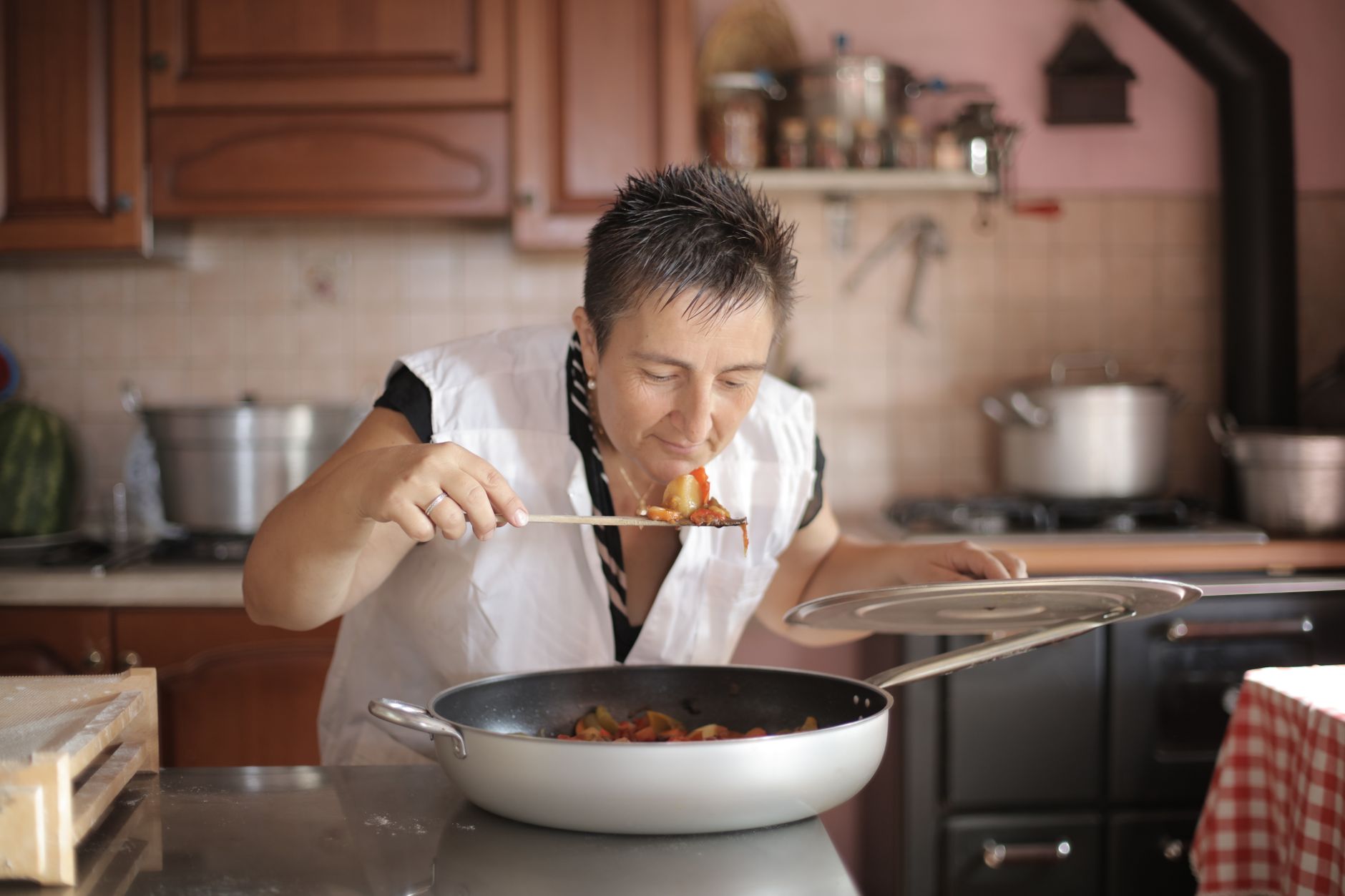
Hungry with Hollis is not incidental to the show’s emotional architecture – it is the whole point. Hollis has built an audience on the internet, and that audience has done what internet audiences always do: filled in the gaps with their own needs. They have decided who she is. The cooking, the aesthetics, the warmth – all of it has been received and reinterpreted until the public Hollis and the private Hollis are barely on speaking terms.
It is a sharper observation than the show perhaps gets credit for. The influencer-in-crisis story has become its own genre, usually told with either contempt or camp. The Five Star Weekend is more interested in the interior damage – what it costs to perform consistency across years, and what happens when the performance and the performer stop matching. Hollis doesn’t blow up her account or stage a dramatic unmasking. She makes pizza. She picks up peaches. She holds the shape of herself even when the inside has gone entirely wrong.

Why the Mundane Is the Point
There is a version of this story where Hollis plots revenge on her husband’s mistress. It would be satisfying in the short term, deeply watchable, and would almost certainly generate more social media heat. The show knows this and walks right past it. What it offers instead is something quieter and, depending on your tolerance for emotional realism, either more rewarding or more frustrating: women in their fifties navigating the specific loneliness of lives that look, from the outside, entirely fine.
The eight-episode first season lands on Peacock at a moment when audiences have shown genuine appetite for character-driven female ensemble work, provided it comes with enough surface gloss to hold attention. The Five Star Weekend has the gloss – the beautiful food, Jennifer Garner’s particular warmth, the easy pleasures of watching women who genuinely like each other on screen. What it asks in return is a willingness to sit with stories that don’t resolve in ways that feel earned by conventional television logic.
Whether that trade holds across a potential second season is the question the show leaves hanging. Hollis, by the end of the first, is still Hollis – still performing, still processing through the language of food and hospitality, still carrying the version of herself that the internet decided on. The peach pizza is delicious, presumably. But no one who made it is anywhere close to fine.