







Fashion’s Geographic Rethink
The British Fashion Council is moving beyond its traditional London-centric orbit. Under Laura Weir’s direction, the BFC has launched a decentralization program that reaches into six cities across the United Kingdom, part of a broader strategy outlined in the organization’s 2030 vision. The goal is straightforward: position British fashion not as a London industry with regional footnotes, but as a genuine national asset – culturally and economically.
It is an ambition that cuts against decades of institutional gravity. London has absorbed the money, the media, the designers, and the infrastructure. Weir’s program asks what British fashion looks like when that concentration is deliberately, structurally loosened.

What the 2030 Vision Actually Commits To
The decentralization program didn’t arrive in isolation. It sits inside the BFC’s 2030 vision, a framework that treats British fashion as something requiring long-term investment and national reach rather than seasonal spectacle. That vision names economic impact alongside cultural identity – a pairing that signals the BFC is arguing its case not just to designers and editors, but to government stakeholders and regional economic bodies who speak in jobs, supply chains, and GDP contributions.
Spanning six cities, the program has to work across genuinely different environments. Each city brings its own manufacturing history, retail infrastructure, educational institutions, and creative communities. A program that treats all six as interchangeable will fail; one that maps actual local assets onto national strategy has a real chance of building something durable. What specific roles each city plays – whether anchored by existing textile industries, design schools, or emerging independent retail scenes – shapes whether this becomes a meaningful network or a symbolic exercise.
Laura Weir’s position at the center of this effort matters. As the figure driving the initiative, she carries both the credibility of the BFC’s institutional weight and the accountability for whether six-city ambition translates into six-city execution. The program’s architecture depends on relationships with local stakeholders who have seen national initiatives arrive, generate press, and quietly disappear. That skepticism won’t dissolve on the strength of a press release.

Why Decentralization Is Harder Than It Sounds
Spreading fashion infrastructure across a country is not simply a matter of hosting events outside the capital. Talent pipelines, wholesale buyer attention, press coverage, and investment capital all follow existing concentrations. Designers outside London face structural friction that isn’t solved by goodwill or even funding – it’s embedded in where the gatekeepers are physically located and where their calendars take them.
The BFC’s program will be judged on whether it moves any of those structural conditions, not whether it generates activity. Activity is easy to produce. Changing where buyers travel, where editors commission shoots, where investors look for emerging brands – that requires sustained institutional pressure over years, not a launch moment.
Fashion as a National Economic Argument
Framing fashion as a national cultural and economic asset is a political argument as much as a creative one. It asks regional governments, development agencies, and public funding bodies to treat fashion with the same seriousness they apply to automotive manufacturing or financial services clusters. That framing has worked in other industries – the creative economy broadly has made this case with increasing success over the past two decades – but fashion specifically has struggled to be taken seriously outside its own ecosystem.
The six-city scope gives the program geographic range, but it also creates a measurement problem. Success will be interpreted differently in each location, by different stakeholders with different definitions of what fashion’s contribution to their city should look like. The BFC will need consistent metrics that still allow for local variation – a difficult balance to sustain across a multi-year initiative.
There is also the question of what decentralization means for London Fashion Week itself. The calendar, the international press, the buyer schedules – these are built around London’s concentrated week of shows. If the program succeeds in building genuine fashion infrastructure in other cities, does that eventually pressure the show calendar? Does a Manchester designer with strong local manufacturing and retail relationships need London Fashion Week the way a designer without those foundations does? The BFC hasn’t answered that question publicly, and perhaps doesn’t need to yet, but the logic of the 2030 vision points toward it.
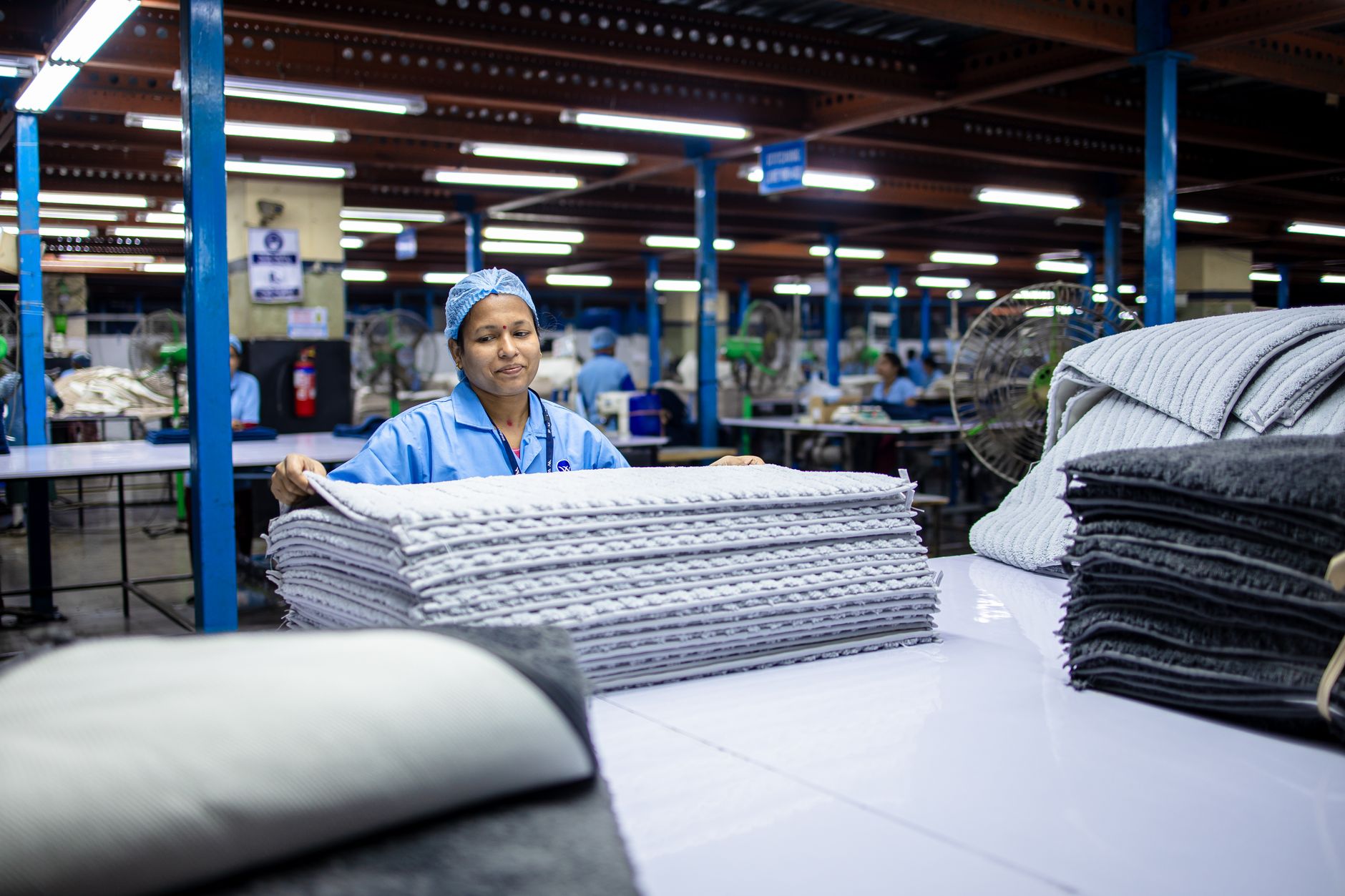
Weir’s initiative arrives at a moment when post-Brexit trade conditions, rising production costs, and shifting consumer attention toward provenance and local identity have all made the argument for distributed British fashion more urgent than it was five years ago. British manufacturing heritage exists outside London – in Yorkshire’s textile mills, in the Midlands, in Scottish knitwear traditions. Whether the BFC’s six-city program actually activates those existing foundations, or builds alongside them without connecting, is the concrete test ahead.
The first real indicator won’t be the launch. It will be whether, two years from now, a designer based in one of those six cities can point to something structural that changed – a buyer relationship, a production partnership, a press platform – that wouldn’t have existed without the program. That’s a specific claim, and the BFC will eventually have to make it.