



From Reylo Fanfic to the New York Times List to a Film Set
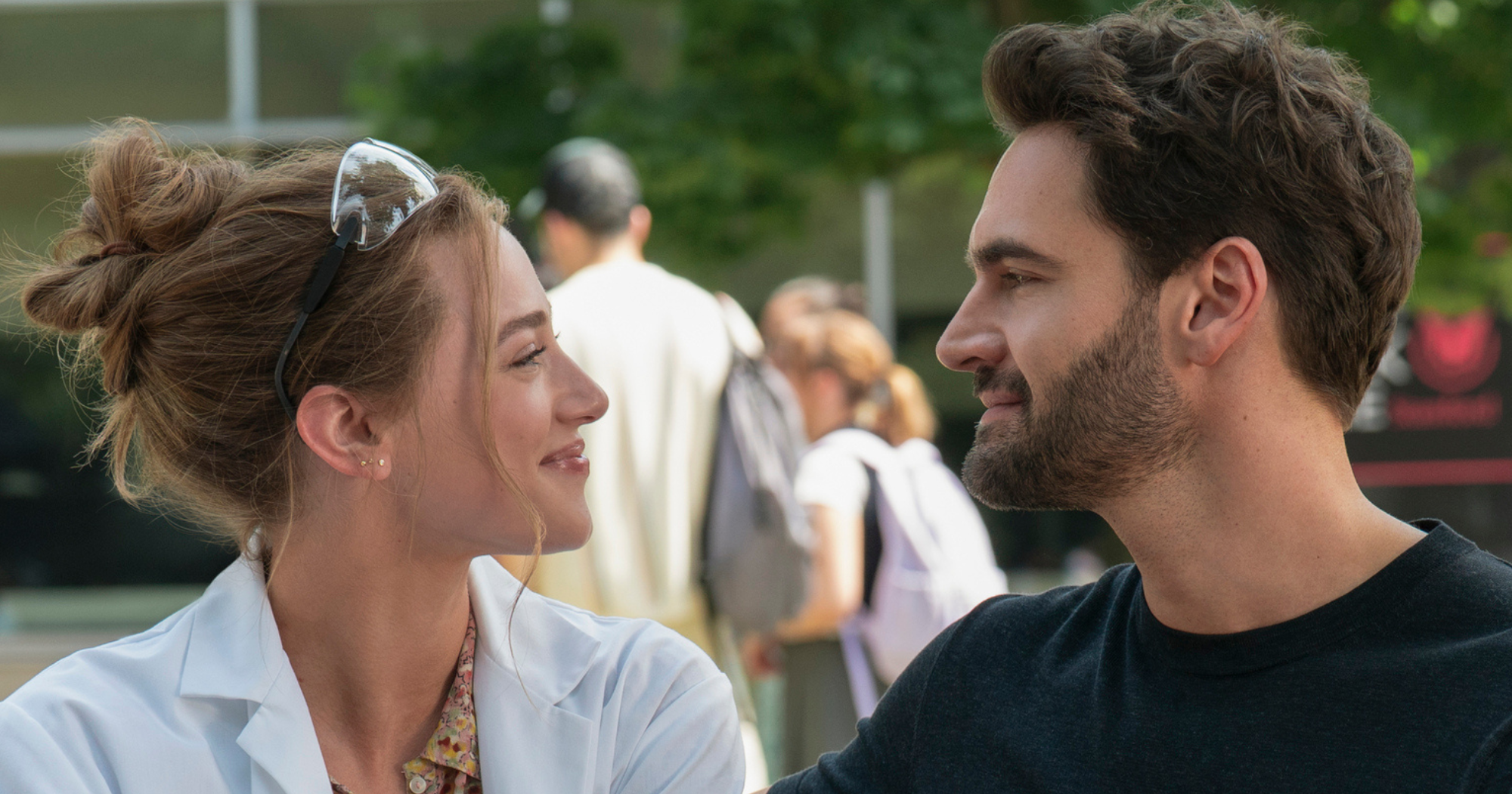
Ali Hazelwood’s The Love Hypothesis started life as a Reylo fanfic – built around the dynamic between Rey and Kylo Ren from Star Wars – before it was published as a fake-dating novel that planted itself on the New York Times Best Sellers list for weeks. Now it’s a film, with Lili Reinhart as Olive Smith and Tom Bateman as Dr. Adam Carlsen, and the BookTok community is watching closely.
What Gets Lost Between the Pages and the Screen
Adapting a 300-to-400-page novel into a feature film means making cuts, and both Reinhart and Bateman are aware that the book’s audience has strong feelings about what stays and what goes. The fanbase didn’t form around this story casually – it built the story, following it from fanfiction forums to a bestseller shelf. That history gives the readership a particular sense of ownership over specific moments, scenes, and lines of dialogue.
Reinhart, speaking to Refinery29, was direct about the nature of the trade-offs. “You can’t put every single thing in there because sometimes it just wouldn’t work in a movie; it just wouldn’t make sense or flow in the right way that it does when you’re reading something,” she said. Her framing points to something real about adaptation: what works on the page – interior monologue, slow-burn pacing across chapters, a line that lands because of everything that preceded it – can flatline on screen without the right scaffolding around it.
She’s also uncertain about the logic behind which scenes made the final cut. “I don’t really know why they chose which scenes [would make it in], but I think it’s just the ones that kind of jump off the page that feel the most cinematic as well,” Reinhart told Refinery29. That’s a largely instinctive process, and it’s one that frustrates devoted readers precisely because their most-loved scenes aren’t always the most visually immediate ones.
Bateman came at it from the opposite direction – he read the script before the book, which gave him a different baseline. Without a map of what was missing, the script read as complete. “I remember thinking I didn’t feel like there were any holes in the script. The script was such a wonderful page turner. I thought there was everything there that you’d want from a romantic comedy film,” he said. His perspective doesn’t dismiss what was cut so much as it suggests the script works independently as a romantic comedy, regardless of what the source material contains.

Reinhart Was Chronically Online – On Purpose
What separates Reinhart’s involvement from a typical casting situation is that she actively went looking for what the community wanted. She described being “chronically online” as part of her research process – tracking the scenes and specific lines that readers were most vocal about wanting to see preserved. Then she pushed for them. That kind of actor-as-advocate role is relatively rare in adaptations, where cast members are usually downstream of decisions already made by writers and directors.
BookTok, the corner of TikTok dedicated to book recommendations and fandom, has become a genuine market force since The Love Hypothesis first gained traction there. Publishers track it. Studios track it. The sustained conversation around which scenes are non-negotiable – a specific lab scene, a particular line of dialogue, a moment that crystallized the dynamic between Olive and Adam – forms a kind of informal brief that the production either responds to or ignores. Reinhart chose to respond.
Bateman, after reading the book post-script, arrived at a similar conclusion through a different route. “When I then went and read the book, I thought, yeah, you could have put those moments in, but to be honest, I can see why they didn’t,” he said. That’s a more diplomatic read than many fans will accept, but it reflects how adaptation decisions tend to look different once you understand the constraints of screen time, pacing, and budget.
The tension at the center of every beloved-book adaptation is the same: the people who love the source material are not necessarily the people who will find the film first. A romantic comedy adapted from a fanfic-turned-bestseller has to work for an audience that has never heard of Ali Hazelwood and for an audience that has strong opinions about how Adam Carlsen should be written. Reinhart’s decision to root herself in the existing fandom before filming is an acknowledgment that the second group matters – commercially and creatively.
Whether the scenes she fought for actually made it into the finished film, and whether the community finds them satisfying, is a different question. Reinhart indicated she pushed for them after joining the project, but the distance between advocating for a scene and seeing it survive editing is considerable. The script Bateman described as a “wonderful page turner” was presumably locked before those conversations happened, which raises the question of how much ground could realistically shift.
The BookTok Reckoning Is Already Underway
The adaptation arrives with a built-in verdict waiting to happen. BookTok communities organize around moments – specific passages that get quoted in videos, scenes that get recreated in front of cameras, lines that become shorthand for a whole emotional register. When those moments are absent from a film, the reaction isn’t just disappointment; it’s content. The negative reaction becomes its own cycle of engagement, which studios are increasingly aware of even if they can’t always act on it.
Reinhart clearly understood that going in. Whether being chronically online and pushing for specific scenes translates into a film that satisfies the people who made The Love Hypothesis a bestseller is exactly what the BookTok community will be measuring, timestamp by timestamp, the moment the film drops.