







A Bag Swap, a Runway, and an Episodic Twist
Marc Jacobs is launching its Fall 2026 campaign not as a single image moment, but as the opening chapter of an ongoing micro-drama – and Jemima Kirke and Rowan Blanchard are the ones kicking it off.

The Setup: Two Women, One Accidental Exchange
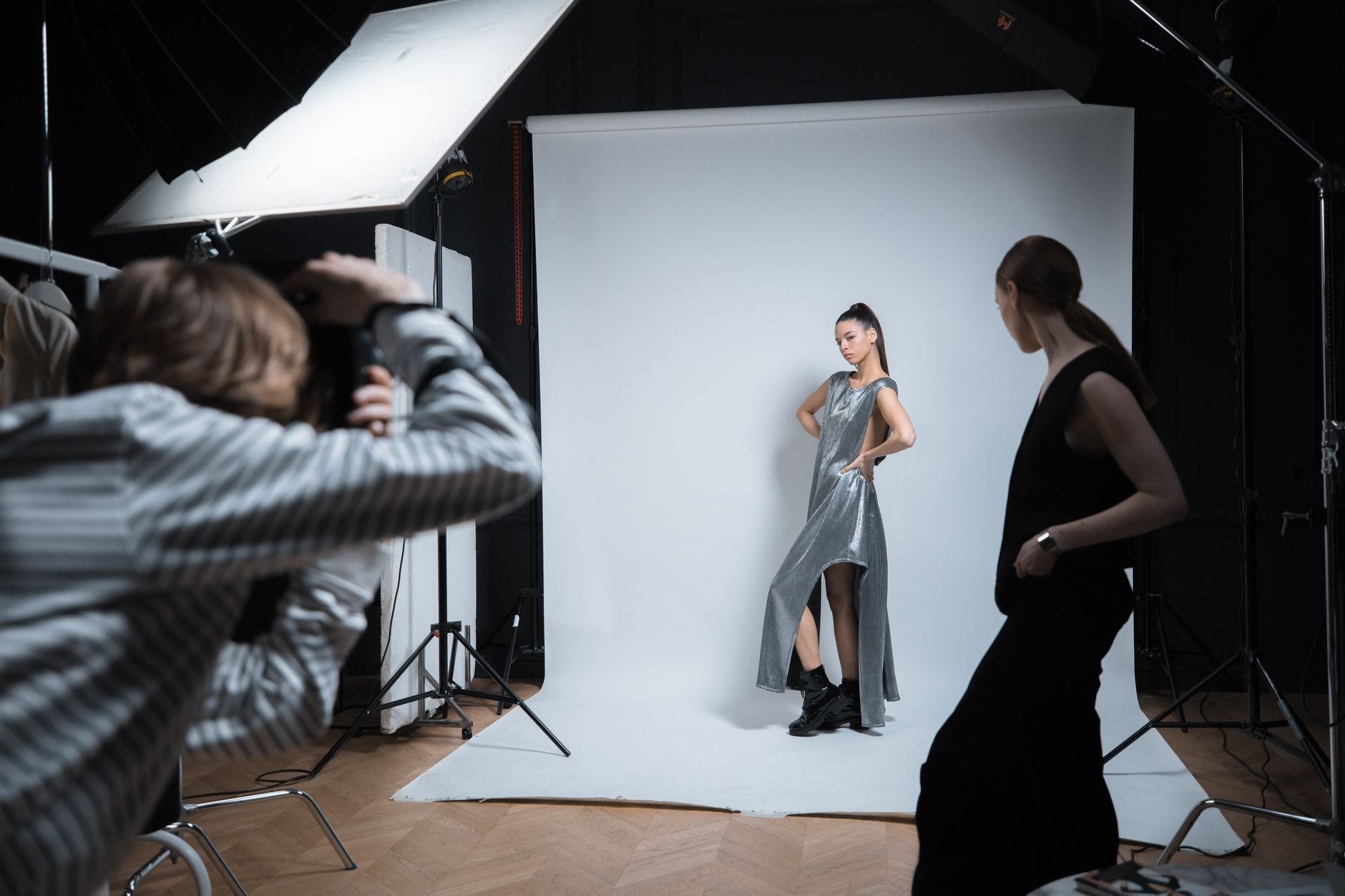
The campaign’s first chapter drops Kirke and Blanchard into a scenario that will feel familiar to anyone who has ever left a fashion show slightly disoriented: the two women accidentally swap Scene bags at the designer’s latest runway show. It is a small domestic mistake dressed up in haute context, and Marc Jacobs is leaning into that contradiction fully.
Kirke, the British-American actress and painter known for her role in Girls, brings an offhand quality to campaign work that shoots dead any sense of over-rehearsed glamour. Blanchard, whose career has moved steadily between acting and visible fashion alignment, operates in a different register – more precise, more studied. Putting them together in a shared narrative gives the campaign an actual point of friction rather than two faces placed decoratively side by side.
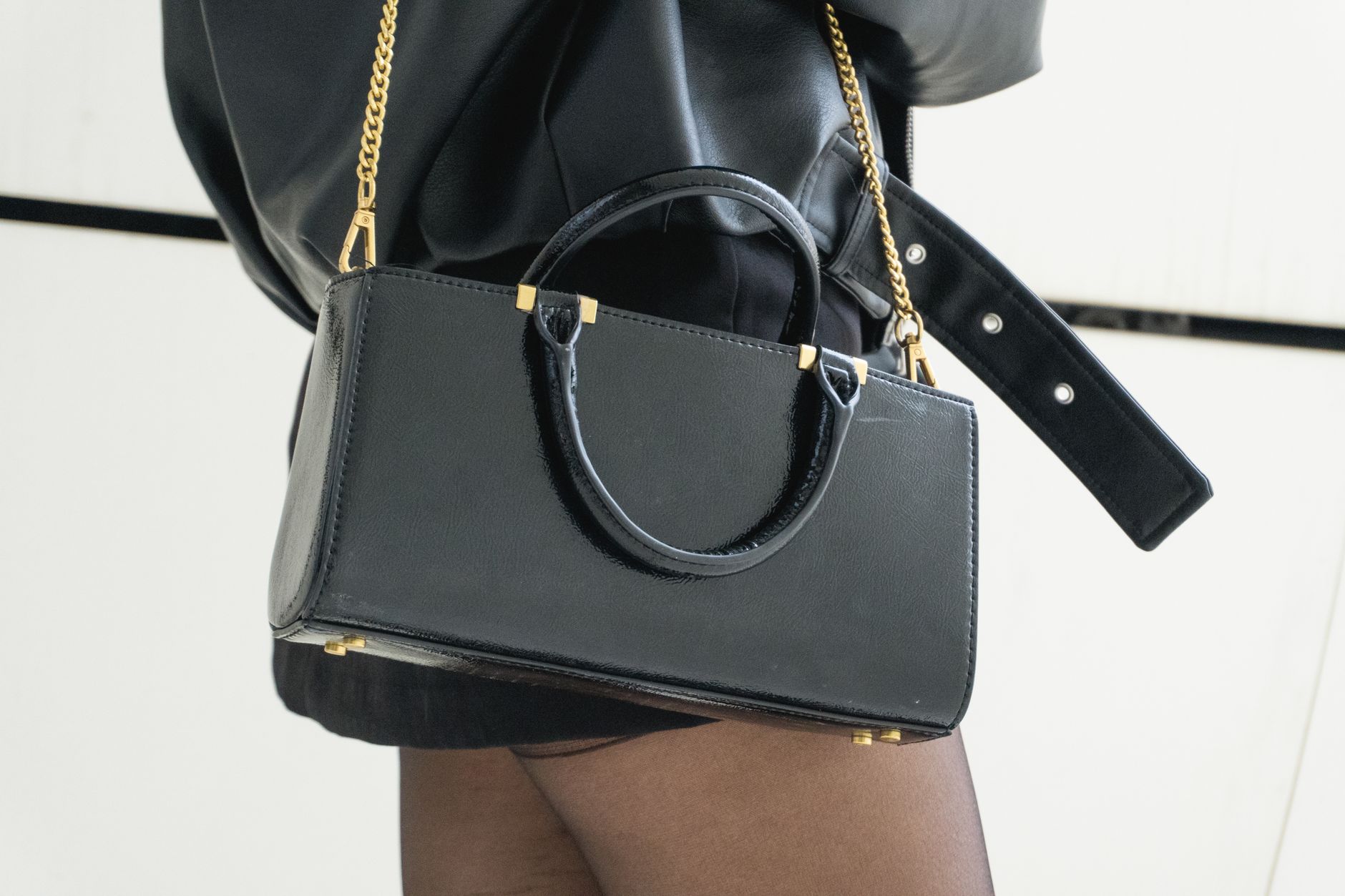
The Scene bag is the object threading through all of it. By making the bag the cause of the mix-up rather than simply the product on display, Jacobs positions it as something that exists in the world – something worth carrying, losing track of, wanting back. That is a different commercial logic than a flat product shot, and it is the kind of storytelling the brand has been gravitating toward as fashion campaigns compete for attention spans trained on serialized content.
What Jacobs is calling an “episodic micro-drama” signals that this first chapter is not the complete picture. The swap happens. The campaign leaves you there. Subsequent chapters will presumably resolve – or complicate – what begins at the runway exit in chapter one.
Why Serial Storytelling Is Changing Campaign Structure
Fashion campaigns have been edging toward narrative formats for a few seasons now, but most stop short of committing to actual serialization. A “story” in campaign terms usually means a mood, a setting, a loose visual throughline. What Jacobs is doing is structurally different – it requires the audience to return, to remember, to follow a plot. That is a significant ask, and also a significant opportunity if the episodes deliver enough tension to hold interest.
The decision to anchor the drama inside a runway show is deliberate. The Marc Jacobs show is itself a heavily attended, culturally legible event – using it as the scene of the inciting incident ties the campaign directly to the brand’s own theatrical identity. Jacobs shows have long functioned as productions in their own right, with specific atmospheres and clear aesthetic intentions. Dropping two characters into that environment and letting something go wrong is a way of making the show itself part of the narrative infrastructure.
Kirke and Blanchard are not playing heightened versions of themselves, nor are they playing wholly fictional characters in a disconnected world. The campaign exists in a space between – recognizable people, inside a recognizable Marc Jacobs setting, caught in a moment of ordinary confusion. That middle register is harder to execute than either pure fantasy or pure documentary, and it is where the campaign’s actual creative risk sits.
For Blanchard, whose relationship with fashion has been consistent and publicly visible over the past several years, the Jacobs campaign fits within a broader pattern of aligning with houses that carry a specific downtown-inflected cultural weight. For Kirke, who has appeared in campaigns and editorials while maintaining a parallel life as a working visual artist, the association reads slightly differently – less careerist, more like genuine aesthetic affinity. Both reads serve the campaign, which benefits from the two women not being interchangeable.
The Scene bag itself has been a focal point for the brand across recent seasons. Making it the object at the center of a mix-up – something taken by accident, something missed – gives the bag a kind of narrative gravity that a straightforward product campaign rarely achieves. You want the thing back. That want is the entire emotional engine of chapter one.
What Comes Next
With chapter one now out, the pressure falls on what follows. Episodic formats work when each installment earns the next – when the audience feels something was withheld rather than simply unfinished. Kirke and Blanchard have established the characters and the conflict. Whether Marc Jacobs sustains that momentum across subsequent chapters is the question the campaign has now written for itself.
Two women. One bag. A runway show where something went sideways – and neither of them has walked away with what they came in with.