





K-Beauty’s Quiet Powerhouse Gets a Summer Price Drop
Medicube, the Seoul-founded skincare brand that has built a devoted following among editors at Harper’s Bazaar, is running a Prime Day sale with discounts reaching 52 percent off its bestselling products. For anyone who has been watching the brand from the sidelines, this is the kind of price window that doesn’t reappear until the next major retail event rolls around.
The sale lands at a moment when K-beauty is no longer a trend requiring explanation. It is a permanent shelf fixture in American bathrooms, and Medicube sits near the top of that category – not because of influencer noise, but because its formulations have earned repeat purchases from people who know what they’re looking for.

What Medicube Actually Does Differently
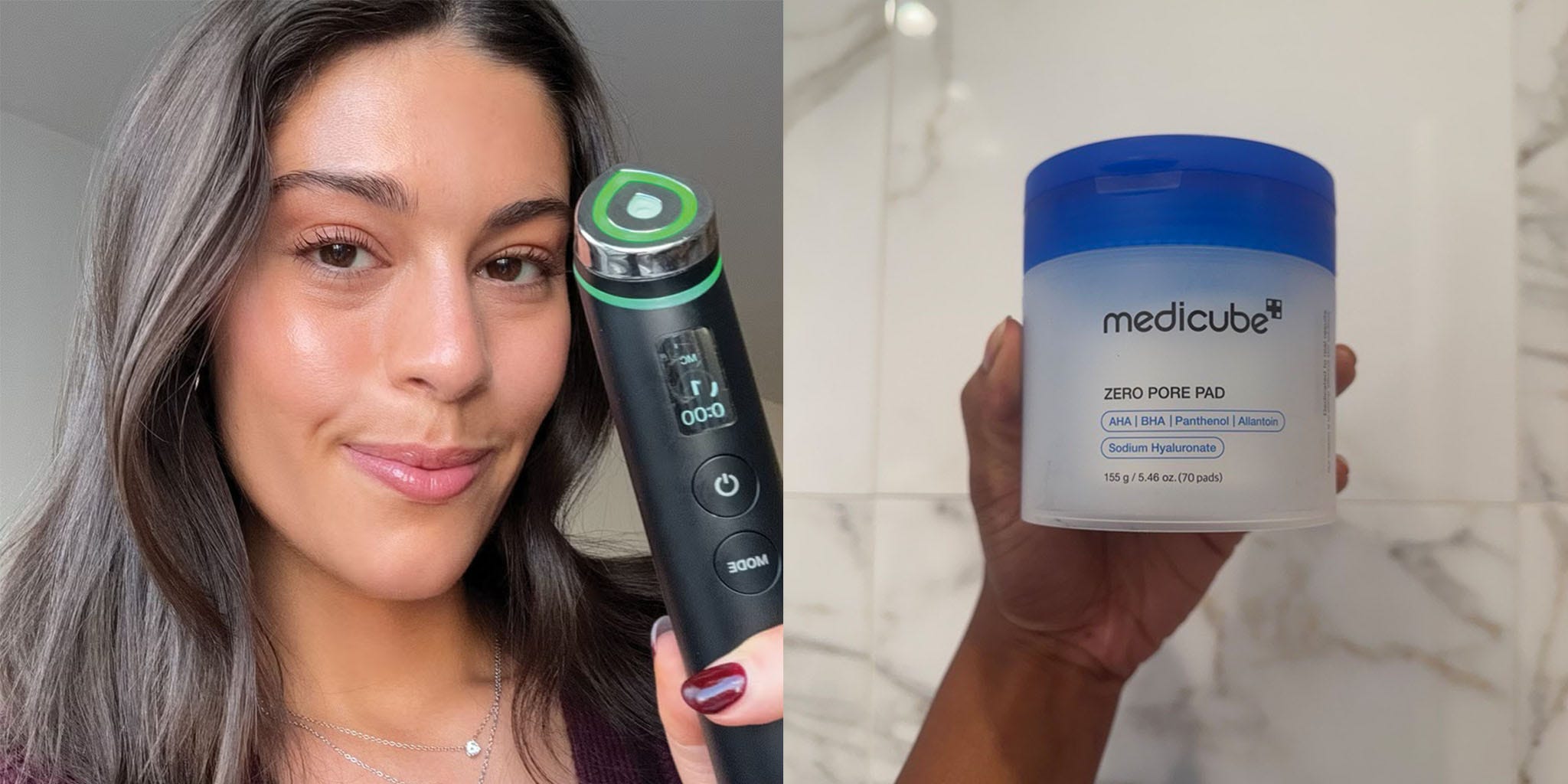
The brand built its reputation on products targeting skin texture, tone, and collagen support – categories that overlap heavily with what dermatologists recommend and what consumers increasingly research before buying. That specificity is part of why the Harper’s Bazaar editorial team gravitates toward it; these are not broad-claim moisturizers. The products are designed around measurable outcomes, which gives editors something concrete to write about and readers something concrete to expect.
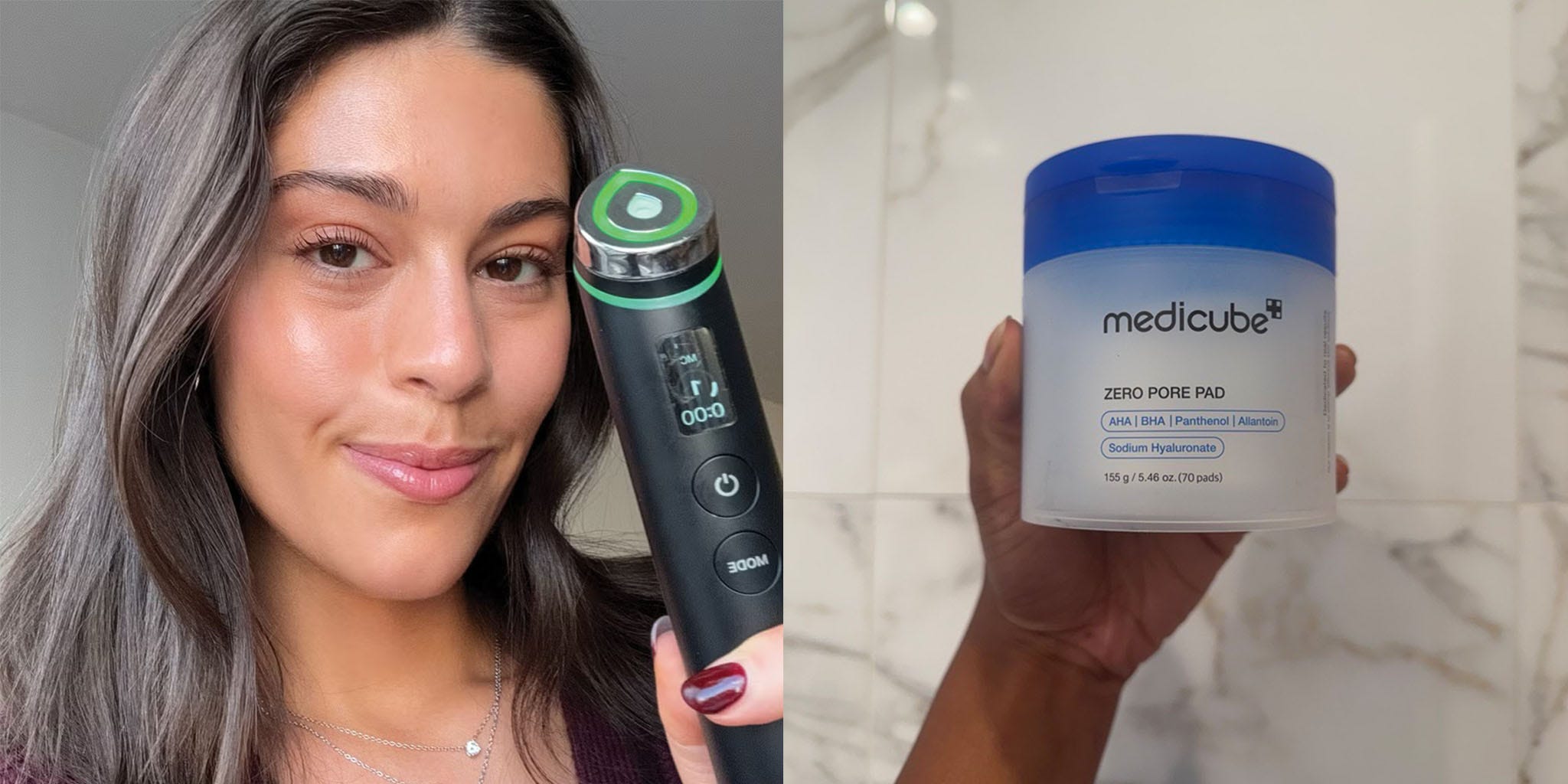
Korean skincare brands have historically excelled at ingredient-forward marketing, and Medicube leans fully into that. Where many Western brands still rely on aspirational imagery to carry product launches, Medicube leads with what’s inside – peptides, retinal, exfoliating acids – and then backs that with before-and-after documentation. That approach has helped the brand convert curious buyers into loyal ones at a rate that keeps it stocked and visible on Amazon’s beauty shelves year-round.
Reading the Sale Numbers
A 52 percent discount on a skincare brand with genuine editorial credibility is not a routine markdown. Most brands that earn consistent coverage in publications like Harper’s Bazaar hold their price points deliberately – discounting too often erodes the perception of quality that makes the editorial coverage worth having in the first place. The fact that Medicube is using Prime Day to offer this kind of cut suggests a strategic push to expand its U.S. customer base during one of Amazon’s highest-traffic shopping periods.
Prime Day draws a consumer who is already in purchase mode, already logged in, already comparing. Showing up in that environment with half-price bestsellers means Medicube is betting that a first-time buyer who gets results will come back at full price. That’s a customer acquisition logic that makes more sense for a brand with proven efficacy than it does for one still trying to establish credibility.
The bestsellers included in the sale are the products that already carry the brand’s strongest reviews – meaning the discount is applied to the lineup most likely to produce a positive first experience. That’s not accidental. A new customer who buys a marked-down version of a product and likes it is more likely to repurchase, upgrade, or explore the wider range. Medicube is using the sale structure itself as a trial program.
For the skincare buyer who plans purchases around major retail moments, the math here is direct: products that regularly sell at full price with strong reviews are now available at nearly half that. The window closes when Prime Day ends, and there’s no equivalent discount structure signaled between now and the next major sales event.
How This Fits Into Summer Skincare Shopping
Summer is historically a complicated season for skincare sales. Consumers lighten their routines, reach for SPF over serums, and delay repurchasing heavier treatments until temperatures drop. Medicube’s Prime Day timing cuts against that pattern, which suggests the brand sees enough demand for its core products year-round to run a major promotion in July rather than waiting for the fall restock cycle.
The overlap between editorial attention and retail accessibility is where Medicube currently sits – a brand that gets written about in glossy magazines and sells through Amazon with Prime shipping. That combination is still relatively rare in skincare, where prestige brands often resist mass retail distribution to protect positioning. Medicube has chosen reach over exclusivity, and a 52 percent Prime Day sale is that philosophy made concrete.

The Detail That Changes the Calculation
Harper’s Bazaar editors don’t attach their endorsement to a brand lightly, particularly in skincare, where results are testable and readers remember when something doesn’t work. The fact that Medicube holds that editorial relationship while also running deep Prime Day discounts means the brand is navigating two audiences at once – the reader who trusts a magazine recommendation and the Amazon shopper who sorts by price. Up to 52 percent off is a number that speaks to both.
What remains to be seen is whether buyers who enter through a sale price develop the same attachment as those who paid full price and chose the brand based on reputation alone. The bestsellers are discounted. The formulations are unchanged. But the first impression a new customer forms at half-price is not necessarily the same as the one formed at full cost – and whether that gap matters to Medicube’s long-term positioning in the U.S. market is a question the brand’s next pricing cycle will start to answer.
The sale is live now through Prime Day on Amazon. Discounts reach 52 percent on Medicube’s bestselling lineup – the same products that earned the brand its spot in Harper’s Bazaar editors’ routines, now sitting in a cart next to whatever else is in someone’s Prime Day queue.