






A Festival Built Around Women, From the Lineup to the Cause
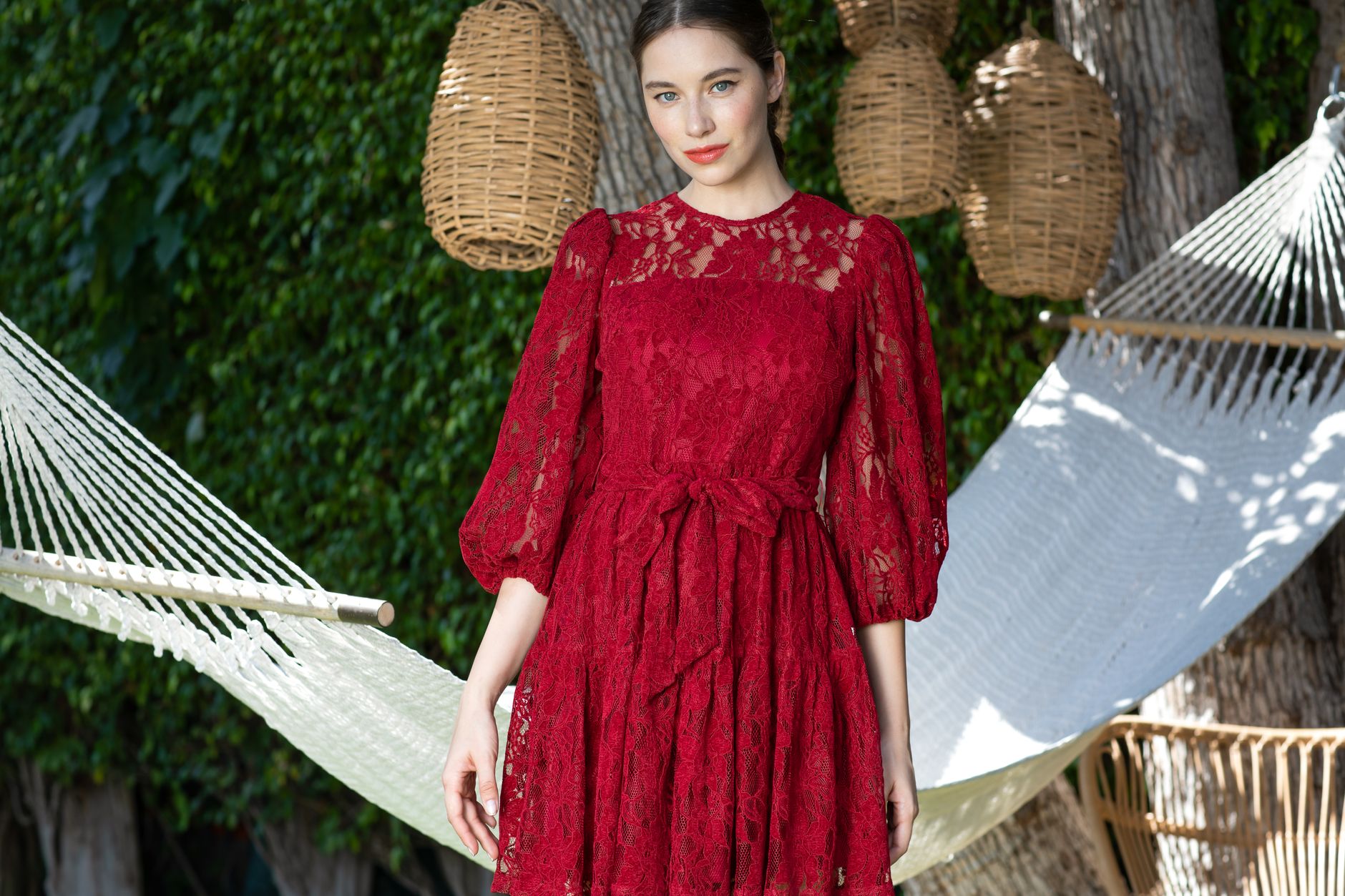
Olivia Rodrigo stepped into a new role at Daisy Chain Fields, her first-ever women-led music festival held in Irvine, California – not just as headliner, but as architect of an event designed to bridge musical generations while directing money toward organizations that support women and girls. The festival’s name carries a deliberate softness, and Rodrigo leaned into that aesthetic fully, taking the stage in a coquettish lacy dress that read as both feminine and intentional, a visual echo of everything the day was meant to celebrate.
The guest list read like a syllabus for a course in women’s rock and pop history. Stevie Nicks, Sarah McLachlan, and Alanis Morissette all performed alongside Rodrigo, making Daisy Chain Fields something far more specific than a typical summer festival booking exercise.


What Rodrigo Wore – and Why It Landed
The lacy dress Rodrigo performed in wasn’t a runway transplant or a stylist’s obvious choice. It fit the festival’s coquette-coded identity – all soft edges, feminine references, and a knowing wink at girlhood as something worth honoring rather than growing out of. On a stage shared with Nicks, who has spent decades defining what women in rock can look like, Rodrigo’s look didn’t compete. It conversed.
That kind of visual coherence between performer and event is harder to pull off than it sounds. Festivals often produce a disconnect – artist aesthetics clashing with venue energy or lineup tone. Here, the dress, the name, the cause, and the roster formed a single readable statement. Lace and legacy on the same bill.
Rodrigo has leaned into maximally feminine dressing since her early career, and Daisy Chain Fields gave that inclination real context. The outfit wasn’t a costume or a calculated PR moment – it was consistent with who she has been presenting herself as since SOUR made her unavoidable. On this particular stage, surrounded by women who shaped the emotional vocabulary she clearly draws from, the styling choice made structural sense.
Three Icons, One Stage, One City
Stevie Nicks at a festival curated by one of pop’s most prominent young artists is not a routine booking. Nicks, whose influence on feminine rock aesthetics – the shawls, the platform boots, the witchy self-possession – has been extensively documented and widely borrowed from, brought decades of stage history to Irvine. Her presence alone reframed Rodrigo’s festival as a statement of lineage rather than just a charitable concert event.
Sarah McLachlan’s appearance added another layer. McLachlan is inseparable from the history of women-focused music – she founded Lilith Fair in 1997, a touring festival that also centered women artists and faced significant industry skepticism before becoming a cultural landmark. The echo between Lilith Fair and Daisy Chain Fields is not subtle.
Alanis Morissette, whose 1995 album Jagged Little Pill remains one of the defining documents of female anger and vulnerability in popular music, completed a trio of performers who didn’t simply share the stage with Rodrigo – they provided the historical scaffolding her own music has been built against. Rodrigo has cited these influences openly. Daisy Chain Fields made those citations physical.
The charitable component wasn’t background noise. Raising funds for organizations that support women and girls gave the entire event a mandate that extended past the set lists and the styling. Rodrigo, who has been increasingly vocal about causes tied to women’s health and rights, structured her inaugural festival around that mission from the ground up – not as an add-on, but as the stated reason for gathering.

Irvine as a Setting, and What Comes Next
Irvine, California, is not the most glamorous festival address – it doesn’t carry the mythology of Coachella’s desert landscape or the cultural weight of a New York or Los Angeles proper venue. But for a first-edition event, it’s a practical choice, and the Southern California audience for this kind of women-centered lineup is real and established.
Whether Daisy Chain Fields becomes an annual fixture depends on what Rodrigo does with the momentum this inaugural edition generates. Lilith Fair ran from 1997 to 1999 before going on hiatus and attempting a revival in 2010 that didn’t fully land. The conditions for a women-led festival succeeding in 2025 are different – the appetite is visible, the artists willing to participate are clearly there, and Rodrigo’s existing audience skews young and engaged. The question isn’t whether Daisy Chain Fields was meaningful. It’s whether Rodrigo builds the infrastructure to make it a returning institution, or whether a lacy dress and a legendary guest list mark the height of it.