





The Cheek Color Aisle Has Gotten Complicated
Walk into any beauty retailer right now and the blush section looks nothing like it did five years ago. Powder compacts used to own the category outright – now they share shelf space with creams, jellies, liquids, sticks, and hybrid formulas that blur the line between skincare and color. The options have multiplied faster than most people have had time to figure out which one actually works for their skin.
Makeup artists who work across editorial, film, and everyday clients have strong opinions about all of it. What they’ll tell you, consistently, is that formula choice isn’t just personal preference – it directly affects how long your color lasts, how natural it reads, and whether it photographs the way you intend.

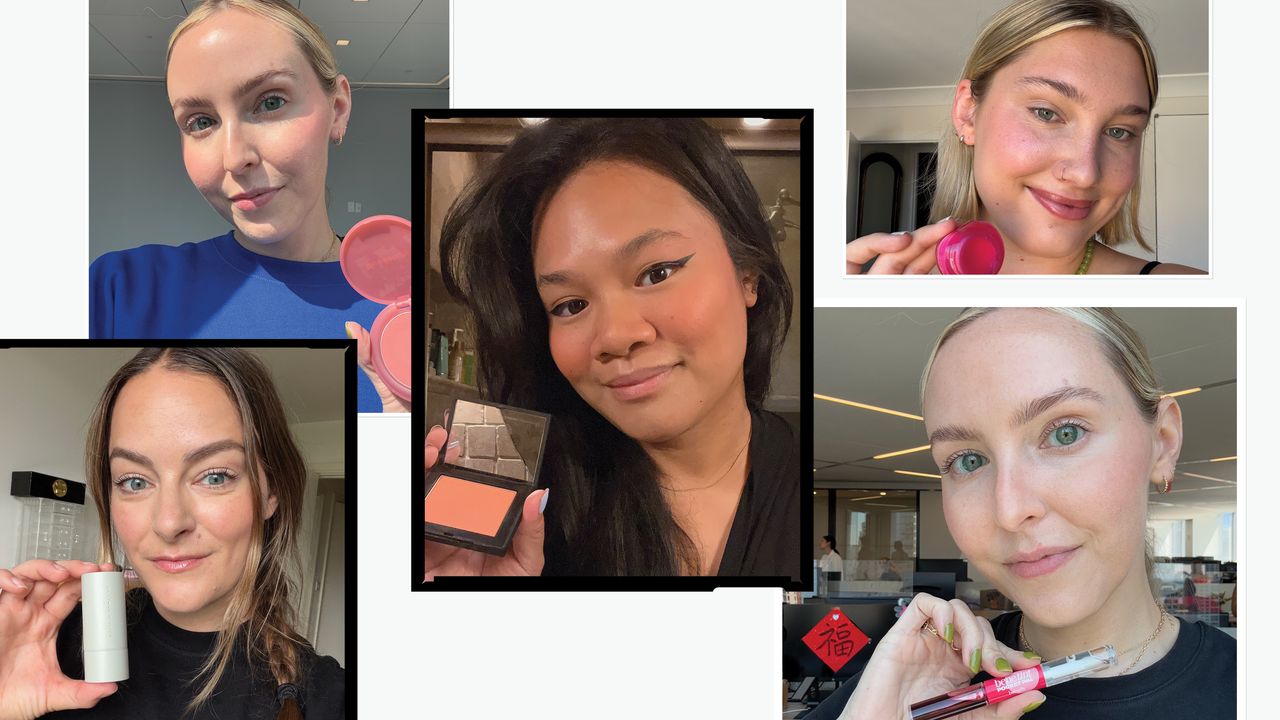
Starting With Powder: Still the Industry Default, For Good Reason
Powder blush remains the most widely used format in professional kits for a straightforward reason: it’s forgiving. You can build it up, blend it out, and fix a heavy hand without starting over. For oily or combination skin types, powder sits on top of the skin rather than sinking into it, which means the color holds through heat and humidity in a way that many cream formulas won’t. A fluffy brush applied in light, circular motions keeps it from landing too intensely in one spot.
The main critique of powder – that it can look dry or flat on mature skin – is valid, but it’s largely a technique problem rather than a formula problem. Applying over a hydrating primer, or pressing rather than sweeping the brush, changes how the pigment interacts with texture. Pressed powder blushes tend to be more pigment-dense than their loose counterparts, so the hand needs to be lighter. Baked formulas, which are fired in an oven during production, deliver a more luminous finish because the process concentrates the pigment and creates a subtle shimmer even in matte-labeled products.
For anyone new to blush altogether, powder is the safest starting point. The margin for error is wider, the color payoff is predictable, and most drugstore and prestige options perform comparably when applied with a quality brush. Where people go wrong is using a brush that’s too small, which concentrates color and creates stripes rather than a flush.
Cream and Stick: The Formats That Changed How Blush Feels
Cream blush shifted the conversation because it mimics what skin looks like when blood rises naturally – a stained, dimensional glow rather than a layer of color sitting on the surface. Makeup artists apply it with fingers, a damp sponge, or a stippling brush depending on the finish they’re after. Fingers warm the product and push it into skin for a barely-there effect; a sponge sheers it out; a brush keeps it more intentional and defined. The window for blending is short, particularly on dry skin, so speed matters.
Stick blush is essentially cream in a twist-up format, which makes it portable and precise. It deposits color in a concentrated line that needs to be blended immediately – tapping with a finger or sponge works better than dragging, which can streak. Both cream and stick formulas sit closer to the skin’s surface on oily types, which can shorten wear time unless layered under a setting powder or topped with a powder blush in the same color family to lock them in place.

Jelly, Liquid, and the Newer Formats Worth Paying Attention To
Jelly blush – sometimes labeled as gel-cream – has become the format most associated with the glassy, dewy skin aesthetic that has dominated editorial and social content over the past few seasons. The texture is bouncy and translucent, and it applies sheer by default, building slowly with each layer. This makes it nearly impossible to over-apply in one pass, which is part of its appeal. It also dries to a flexible finish that doesn’t crack or move in the way some cream formulas do after hours of wear.
Liquid blush is arguably the most potent format in the category. A single drop – applied to the back of the hand and then stippled onto cheeks with a finger – can cover both cheeks with enough pigment left to cause a problem if you’re not careful. Makeup artists working with liquid blush often dilute it with a drop of moisturizer or mix it into foundation to control intensity. The payoff is a stain that looks genuinely like it came from within the skin, which is why it photographs so well in natural light. The downside is that most liquid formulas dry fast and don’t forgive mistakes.
Blush oils and hybrid tints that function somewhere between skincare and color are the newest corner of the market. These are typically applied with the fingertips in a patting motion and are designed to work on bare skin or over minimal base products. The color they deliver is light, and for anyone used to powder intensity, it can feel like almost nothing – but in photographs and natural lighting, the effect of flushed, healthy-looking skin is real. They work particularly well on those who find traditional blush formulas too heavy or too artificial-looking in texture.
Across all of these formats, placement shifts the result as much as the formula does. High on the cheekbone, blush reads as structured and editorial. Swept across the nose and cheeks in a sun-kissed stripe, it softens the face. Concentrated on the apples – rounded cheeks pushed up when smiling – it creates a more youthful, playful effect. Makeup artists rarely stick to one placement rule because the face it’s going on, and the look it’s building toward, changes everything.

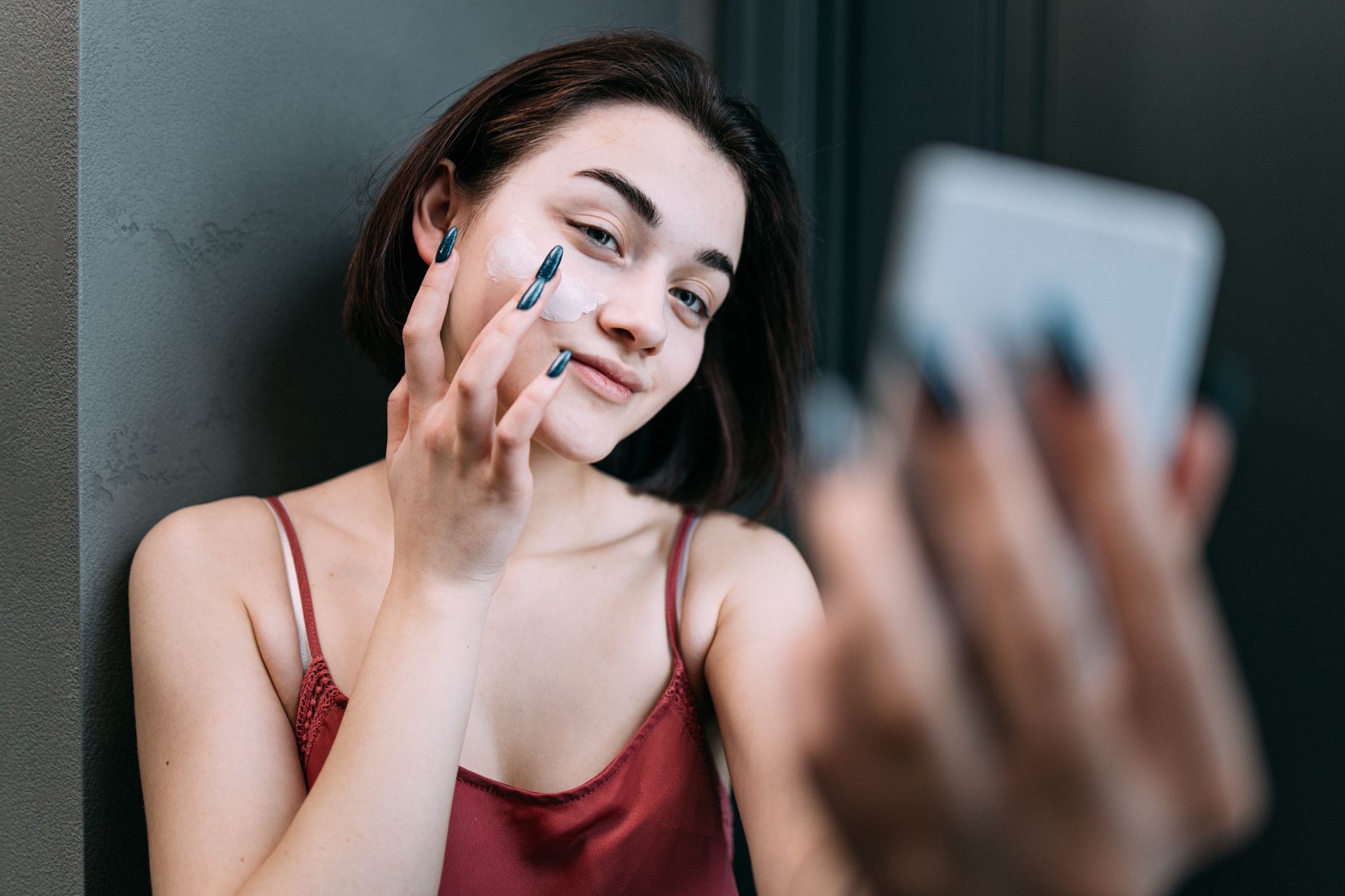
The question isn’t really which blush format is best. It’s whether the one sitting in your drawer is matched to what your skin actually does – and whether you’re applying it the way the formula was designed to be used, or fighting it the whole way.