






A Podcast Host’s Handwritten Swirls Land on a Satin Wedge
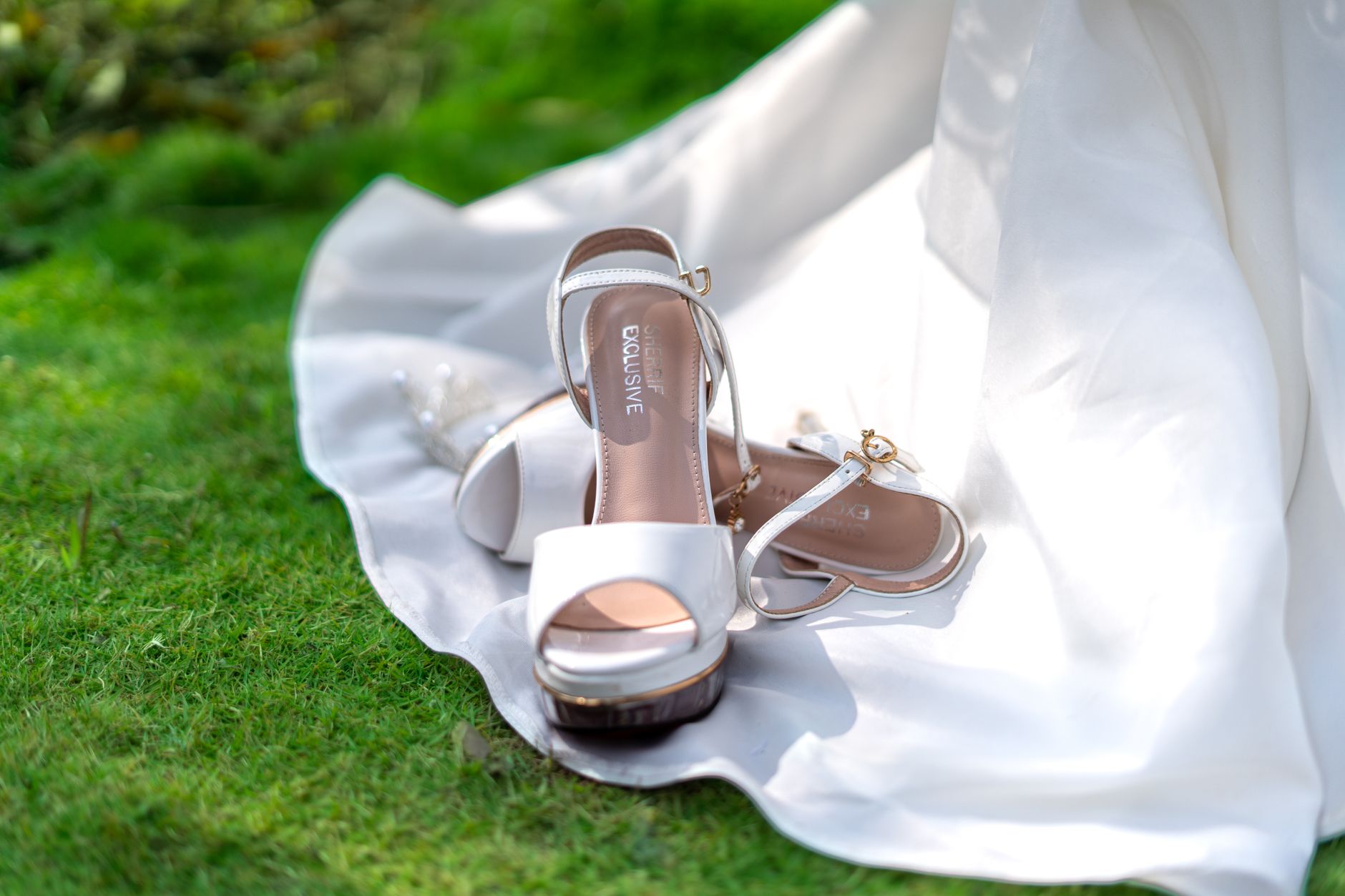
Reformation has tapped Enya Umanzor – co-host of the podcast “Emergency Intercom” – to design a collaborative wedge heel that sits at $298 and arrives in three colorways. The shoe, named the Enya satin wedge, is built from Naia Renew Acetate, a material positioned as a silk alternative, and carries embroidered swirls that Umanzor drew by hand before they were translated onto the upper.
The pairing puts a content creator’s aesthetic instincts directly into the product rather than stopping at a campaign shoot – a distinction that matters when the design detail in question is literally the creator’s own mark.

What Makes the Enya Wedge Different From a Standard Brand Partnership
Most celebrity and creator collaborations in footwear work from a template: pick a colorway, sign off on the sample, show up for the photo. What Reformation structured here is something tighter. Umanzor’s hand-drawn embroidery motifs are the central visual argument for the shoe. The swirling lines on the satin upper are not a graphic added after the fact – they originated as drawings before the product existed in its final form. That process gives the $298 price point something to stand on beyond material cost alone.
Naia Renew Acetate is the fabric carrying those embroidered details. Reformation has used the silk-alternative material as part of its ongoing push toward lower-impact textiles, and it provides the kind of sheen that reads as dressed-up without requiring conventional silk. On a wedge heel silhouette – a shape that spent most of the 2010s receding from editorial favor – the satin finish reframes the form as intentional rather than dated.
The three colorways available spread the collaboration’s reach across different styling instincts. Satin in multiple tones allows the same silhouette to move between contexts – what reads as an evening shoe in one color can register differently in another. Reformation hasn’t announced which specific shades are included in the three options beyond the material description, but the breadth signals that the collaboration is meant to move volume, not just generate attention.

The Wedge’s Quiet Return to Relevance
The wedge heel has been working its way back into collections for a few seasons now, moving through vintage-leaning brands and resurfacing on runways that have been mining the late 1990s and early 2000s for silhouettes. Reformation’s decision to anchor a named collaboration around a wedge – rather than a mule, a block heel, or a flat – reads as a deliberate bet that the silhouette has enough cultural momentum behind it to carry a $298 ask from a creator whose audience skews younger.
Umanzor’s profile on “Emergency Intercom” built around candid, conversational content alongside co-host Drew Afualo. That audience has demonstrated purchasing behavior tied to creator recommendations, which makes the collaboration commercially logical beyond its design merits. Reformation is not simply licensing a name – it is activating a community that already trusts Umanzor’s taste.
Pricing, Materials, and What the Collaboration Is Actually Selling
At $298, the Enya wedge sits in Reformation’s mid-to-upper tier for footwear – not an entry-level price but not the brand’s ceiling either. The Naia Renew Acetate construction provides a material story that aligns with Reformation’s sustainability-forward positioning, and the hand-drawn embroidery detail gives buyers a narrative hook that justifies the number in a way that a plain satin wedge at the same price would struggle to do.
Embroidery at this scale – covering enough of the upper to read clearly as a pattern – adds production complexity and cost. The swirls, because they originate from Umanzor’s own drawings rather than a digitally generated motif, carry a handmade provenance story that brands pay significantly to construct artificially. Here it exists natively, which is part of why the collaboration structure makes financial sense for both sides.
Reformation has been deliberate about the creators it works with, and Umanzor fits a profile the brand has gravitated toward: someone with a defined aesthetic, an audience that treats their recommendations as peer advice rather than advertising, and enough cultural specificity to make the product feel like it belongs to a particular world rather than a generic drop. The embroidered swirls are whimsical without being juvenile, which matters when the buyer is expected to spend nearly $300 on a single shoe.

The shoe is called the Enya – named after its designer – which commits Reformation to a level of attribution that goes beyond a co-sign. If the wedge sells well, Umanzor’s name is on the unit. If it doesn’t, the same is true.