







The Shine Is Real. The Protection Might Not Be.
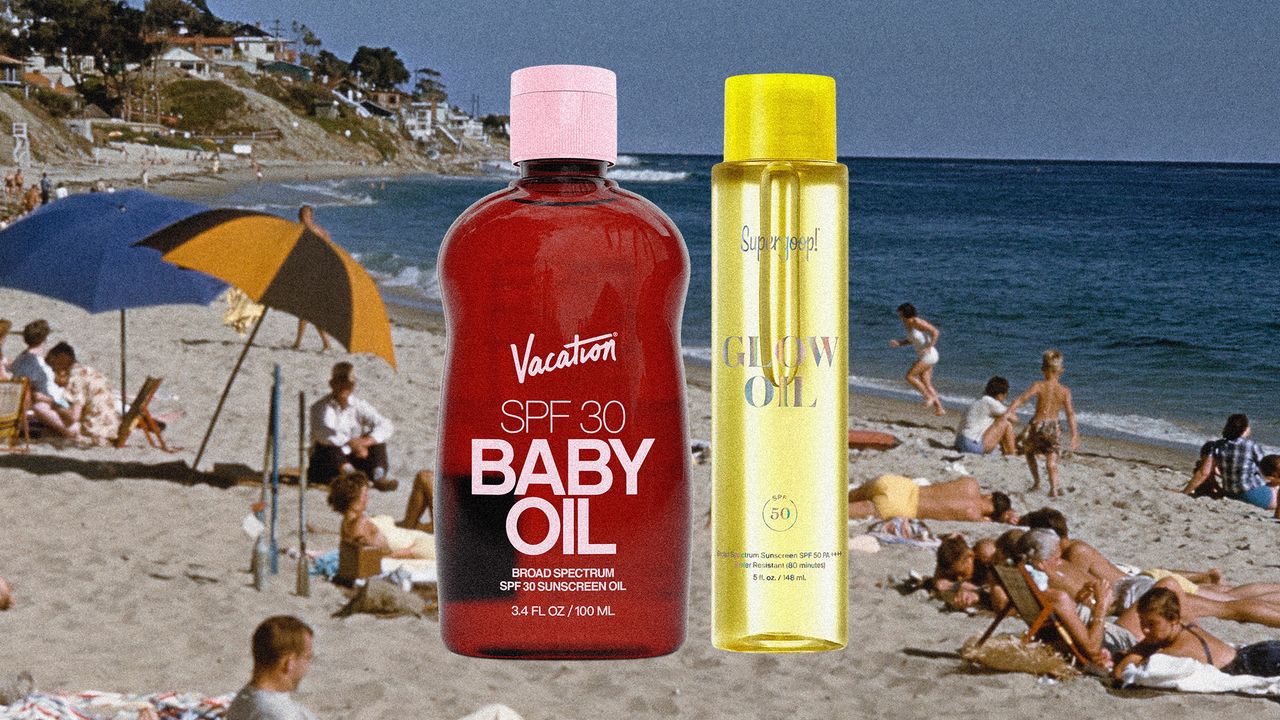
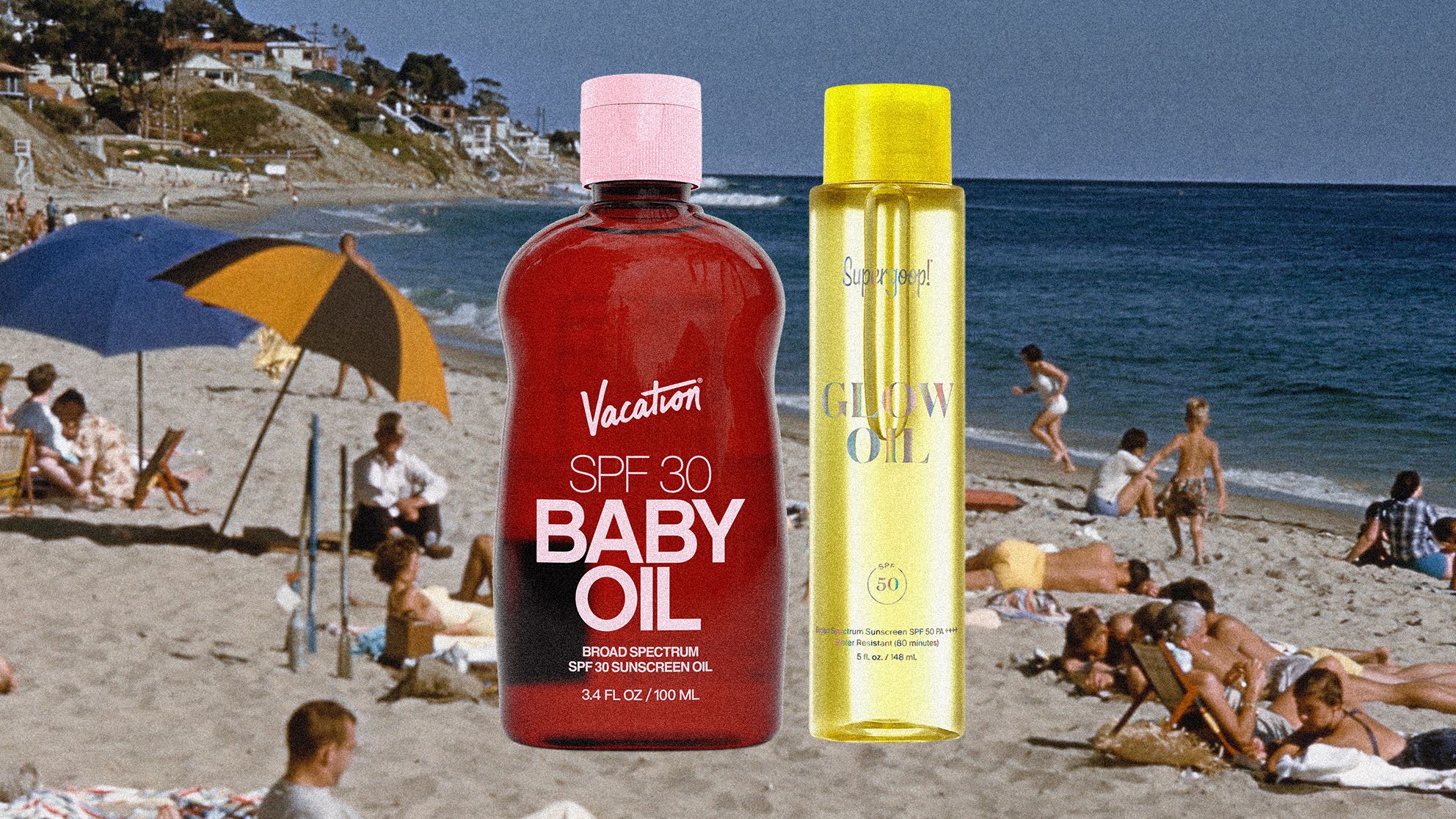
Walk through any beauty retailer right now and you’ll find an entire shelf category that didn’t exist in quite this form five years ago: sunscreen oils. Glossy, often shimmery, sometimes scented, these SPF-labeled formulas have carved out serious real estate between the traditional white-cast lotions and the dry-touch sprays. They sell on aesthetics as much as efficacy – the promise of a lit-from-within glow while theoretically doing the responsible sun-protection thing.
But the question gaining traction among dermatologists and beauty editors alike is a pointed one: are these products genuinely engineered for protection, or are they tanning oils with SPF numbers printed on the bottle to make the whole enterprise feel less reckless? The answer is more complicated – and more industry-revealing – than either a yes or no can cover.

What Separates a Sunscreen Oil From a Tanning Oil
On paper, the distinction is regulatory. A product labeled as sunscreen in the United States is governed by the FDA as an over-the-counter drug, meaning it has to meet specific testing standards for the SPF value printed on its packaging. A tanning oil with no SPF claim carries no such obligation. So when a brand releases a “nourishing SPF 30 dry oil,” it has, in theory, cleared a higher bar than a bottle of coconut oil with bronzer.
In practice, the gap narrows fast. The SPF values on many sunscreen oils sit at 15 or below – numbers that the American Academy of Dermatology has long described as insufficient for meaningful daily protection, recommending SPF 30 as the functional minimum. An SPF 15 blocks roughly 93 percent of UVB rays. SPF 30 blocks about 97 percent. That four-point difference sounds small until you’re counting cumulative sun exposure across a summer. And oil-based formulas add another variable: how evenly they’re applied, and whether users reapply at the two-hour intervals that SPF testing assumes.
The shimmer factor compounds the concern. Many of these products include mica, pearl powder, or light-reflecting pigments – ingredients that have no role in UV filtration but significantly enhance the visual appeal of bronzed skin. That aesthetic language, the glow, the warmth, the luminosity, is borrowed almost directly from the tanning oil marketing playbook that defined drugstore shelves in the 1980s and 1990s. The packaging has been updated. The underlying fantasy hasn’t entirely shifted.
Why the Category Is Booming Anyway
Sunscreen compliance is one of dermatology’s oldest frustrations. Studies have consistently shown that people skip or under-apply sunscreen largely because of texture – the white cast, the greasiness, the way it pills under makeup. Oil-based SPF formulas solve for some of those complaints by offering a finish that people actually want on their skin. If a lower-SPF product gets applied daily while a higher-SPF product sits unused in a bathroom cabinet, the math can, theoretically, work in the oil’s favor.
The category also benefits from the broader “skin as canvas” shift in beauty – the move away from heavy full-coverage foundation toward products that enhance skin’s natural texture and luminosity. Sunscreen oils fit that aesthetic neatly. They’re photogenic, they layer well over serums, and they’ve become a staple of the no-makeup makeup approach that has dominated editorial beauty for several years running. The mid-90s beauty sensibility – bare skin, natural finish, that effortless warmth – has found a modern vehicle in these formulas.

What Experts Actually Want You to Check Before Buying
The SPF number is the first filter, but it’s not the only one. Broad-spectrum coverage – meaning the formula protects against both UVA and UVB radiation – is a non-negotiable for real protection. UVB rays cause visible burns. UVA rays penetrate more deeply and are the primary driver of photoaging and a significant contributor to skin cancer risk. A product can carry an SPF 30 rating and still offer minimal UVA coverage if formulated carelessly, because traditional SPF testing only measures UVB protection.
Ingredient lists are where the real story lives. Mineral filters like zinc oxide and titanium dioxide provide broad-spectrum protection and appear in a small number of oil formulas, though their texture can be harder to reconcile with the lightweight finish these products are selling. Chemical filters like avobenzone, octisalate, and octocrylene are more common in oil SPFs and, when properly stabilized, can deliver solid broad-spectrum coverage. The word “stabilized” matters here – avobenzone degrades in sunlight unless paired with a stabilizing agent, and not every formula makes that investment.
Application volume is the variable that undoes even the best formula. The SPF number on a bottle is calculated based on applying 2 milligrams of product per square centimeter of skin – an amount that translates to roughly a shot glass worth of sunscreen for full body coverage. With an oil, the temptation is to apply sparingly, both because the product spreads differently and because a little goes a long way visually. Applying half the required amount doesn’t give you half the SPF protection. Testing suggests it can reduce effective protection to as low as one-quarter of the labeled value.
Reapplication is where compliance collapses most predictably. Sunscreen oils marketed for body use at the beach or pool face the same two-hour reapplication window as any other sunscreen – water resistance ratings of 40 or 80 minutes, which some of these products carry, indicate how long the formula maintains its SPF after water exposure, not how long it protects in general. Spending a full afternoon in direct sun with a single morning application of SPF 15 oil, regardless of how beautifully it photographs, is a skin damage scenario.

The Aesthetic Pull Is the Point – And That’s the Problem
Tanning culture never fully disappeared. It went underground for a decade or so under the weight of melanoma statistics and self-tanner innovation, then started resurfacing around 2018 in the form of “sun-kissed” and “glazed” skin aesthetics on social media. Sunscreen oils are, in part, a product of that cultural moment – they offer the visual reward of sun-touched skin while technically sitting on the responsible side of the SPF aisle. Whether they’re actually used responsibly is a different question.
The brands producing the most aesthetically sophisticated versions of these products know exactly what they’re doing. The photography is warm-toned and coastal. The copy leans into glow and radiance and skin that looks like it’s been somewhere. This is not accidental. It’s a deliberate alignment with a specific beauty aspiration that connects the product to the fantasy of sun exposure without naming it directly. The SPF number is both a genuine formulation choice and a permission slip – a way to sell sun-drenched aesthetics to a consumer who has been told, correctly, that unprotected sun exposure is dangerous.
The real question isn’t whether sunscreen oils can work. Formulated correctly, applied in sufficient quantity, and reapplied on schedule, a broad-spectrum SPF 30 oil is a legitimate protective product. The real question is whether that’s actually how they’re being used – or whether the glow-first, protection-second marketing is quietly winning.