







When Your Mascara Has to Work Harder Than You Do
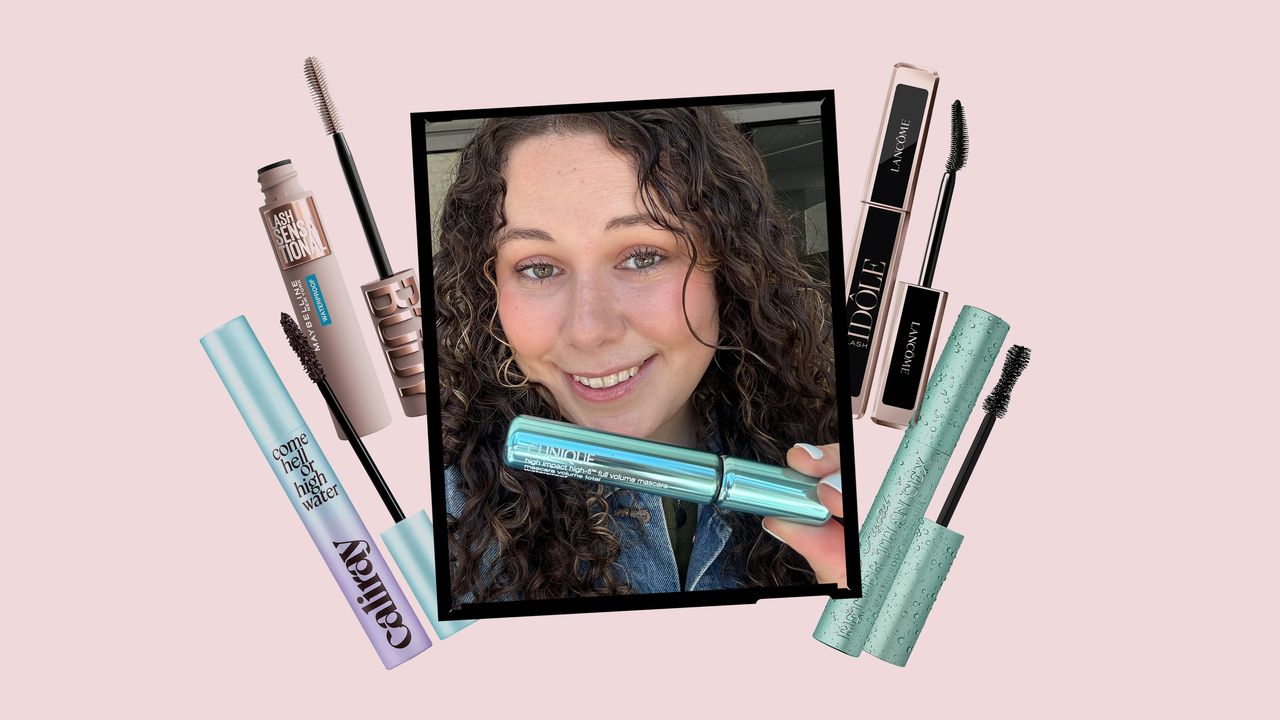
There is a specific kind of frustration reserved for mascara that fails mid-afternoon – the slow creep of a smudge under the eye, the raccoon effect that sets in before the workday ends, the mascara that promised waterproof and delivered water-resistant-at-best. The formula categories have expanded significantly, and the options sitting in the 2026 market are genuinely better engineered than what existed five years ago. But not all of them are worth your counter space.
The eight mascaras that make this list were evaluated against a hard standard: they need to outlast anything – sweat, tears, humidity, a beach afternoon, an ugly cry, a workout that had no business being that intense. Here is what actually holds up.

What Makes a Waterproof Formula Actually Work
The difference between a mascara that smudges by noon and one that survives a full day outdoors comes down to the binder chemistry inside the tube. Waterproof formulas rely on wax-based or film-forming polymers – ingredients that create a flexible coat around each lash rather than a water-soluble pigment that breaks down on contact with moisture. The brush shape matters too: a dense bristle pattern deposits more formula per stroke, which means thicker coverage that is less likely to flake or migrate onto the undereye.
There is also the question of what waterproof mascara does to lashes over time. Heavy film-forming formulas require an oil-based remover to break down properly. Trying to scrub off a true waterproof mascara with micellar water or a gentle cleanser leads to lash breakage, which is the other side of the durability equation that rarely gets discussed at the point of purchase.
The 8 Best Waterproof Mascaras of 2026
This year’s standout picks span a range of effects – from the natural-looking lift of a tubing mascara to the dense, high-drama volume that reads clearly from across a room. Some of these formulas are drugstore, some are prestige, and the price gap between them does not always correlate with performance. A mascara at $12 and one at $38 can both survive a swim, and in several cases the lower-priced formula outlasted the luxury one in controlled wear tests.
The tubing category in particular has earned serious attention in 2026. Tubing mascaras work differently from traditional waterproof formulas – instead of coating the lash with a water-resistant film, they wrap individual lashes in polymer tubes that only release with warm water and light pressure. They do not smudge or flake during wear, and removal is surprisingly clean. For anyone who has ever woken up with mascara on their cheekbone the morning after a late night, a tubing formula solves that problem structurally, not just by degree.
Volume-focused waterproof formulas have also improved their daytime wearability. The older complaint about waterproof mascara – that it dried stiff, clumped, and made lashes feel brittle – applies less to the 2026 generation of formulas, which incorporate conditioning agents alongside the film-forming polymers. The result is a formula that holds its shape through moisture exposure without the texture of dried lacquer on the lash.
Lengthening waterproof mascaras tend to use a finer brush with sparser bristles, which combs through lashes individually rather than loading them with product all at once. This approach is better suited for fine or sparse lashes that need definition more than mass. The waterproof versions of these formulas have to balance the lightweight application with enough binder to keep the extended length from drooping in heat or humidity – a technical problem that several newer launches have addressed by layering a flexible polymer over a lightweight pigment base.

Application Habits That Make the Formula Last Longer
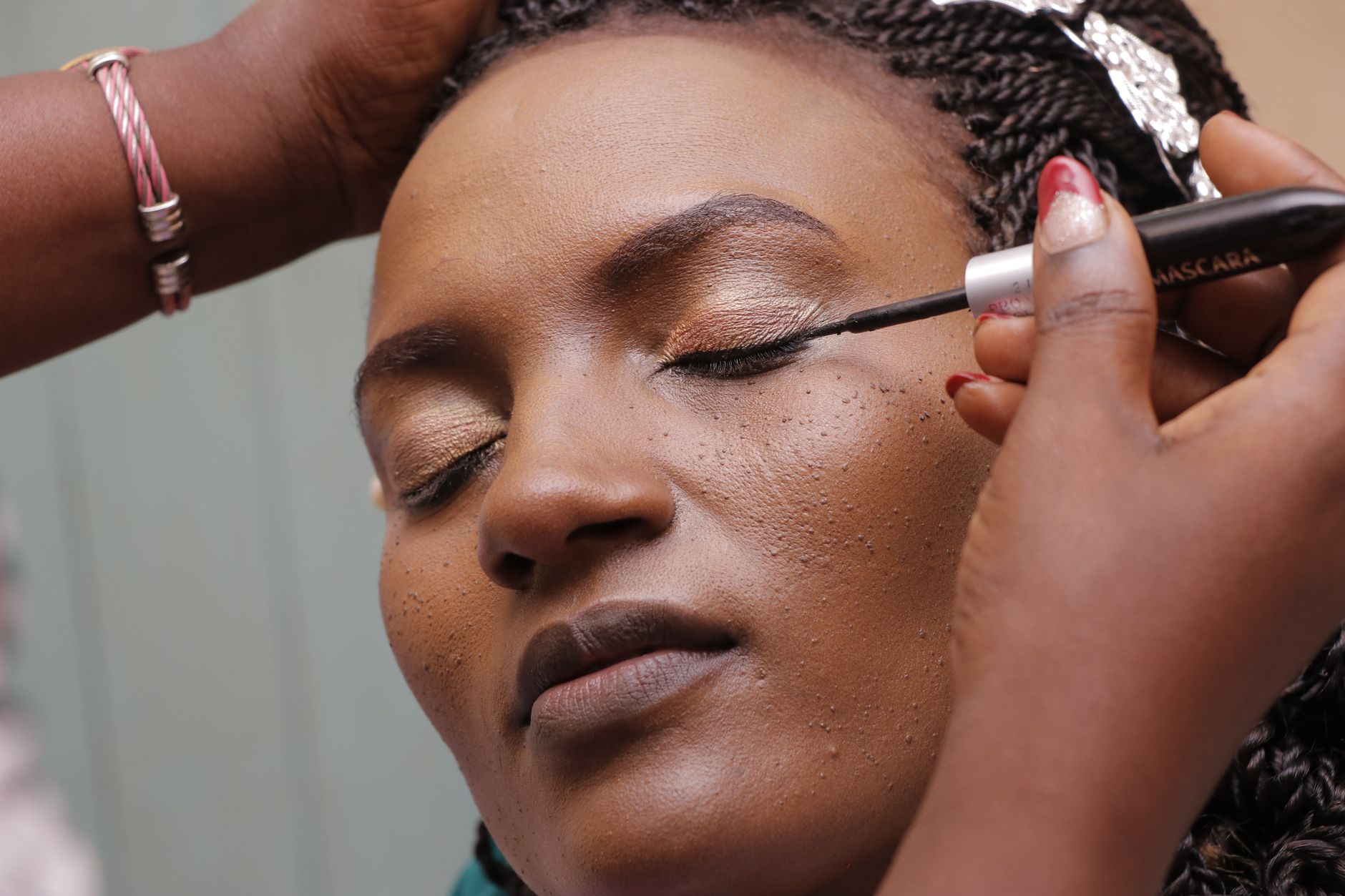
Even the best waterproof mascara performs better with the right technique. Applying in short, zigzag strokes from root to tip deposits product at the base where it matters most for lift, and builds toward the tip without overloading the ends – which is where clumping typically starts. Two thin coats outperform one heavy application, and waiting 30 seconds between coats allows the first layer to set before the second goes on.
Curling lashes before application, not after, is worth repeating because it still gets skipped. A lash curler used after mascara has set risks pulling out lashes along with the formula. Curling on bare lashes first, then applying waterproof mascara on top, locks the curl in place for hours because the waterproof formula acts as a structural hold over the shaped lash.
The Removal Problem No One Talks About Enough
Waterproof mascara is only as good as its removal process. A formula that requires aggressive rubbing to come off is doing damage on the way out, regardless of how clean it looked all day. The undereye skin is among the thinnest on the face, and repeated mechanical friction in that area accelerates visible signs of aging faster than almost any other daily habit. This is not a small consideration.
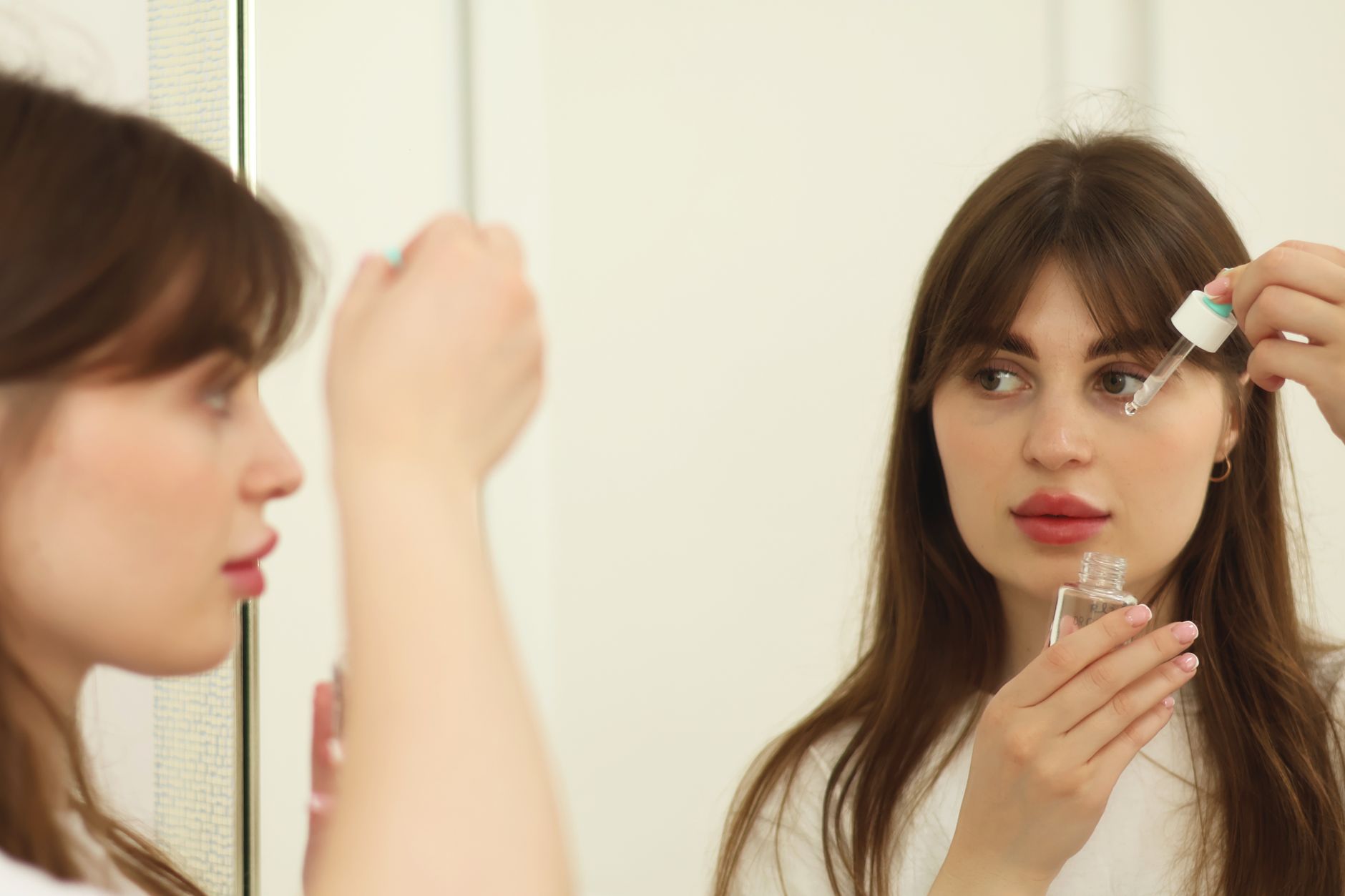
Oil-based removers – whether a dedicated eye makeup remover, a cleansing balm, or a straight facial oil – break down waterproof binders without the need for scrubbing. The method is to saturate a cotton pad, hold it against the closed eye for 20 to 30 seconds to let the oil dissolve the formula, and then wipe gently in one direction. The mascara comes off in a single pass instead of requiring three rounds of rubbing. For tubing mascaras specifically, warm water and gentle downward pressure is enough – no oil required, which makes them a strong option for anyone using active skincare like azelaic acid around the eye area who wants to minimize oil-based product overlap.
The 2026 waterproof mascara market has largely closed the gap between durability and wearability. The formulas that once forced a trade-off – either your mascara survives the day or it feels comfortable on your lashes – have been replaced by options that do both. At the drugstore level, that shift is especially visible: formulas that previously required a dedicated eye makeup remover and significant effort to remove are now engineering cleaner exits without sacrificing the all-day hold that makes waterproof worth buying in the first place.
The harder question is whether waterproof mascara should be an everyday product or a situational one. Daily use means daily removal, and daily removal with even a gentle oil cleanser still represents a nightly routine step that regular mascara does not require at the same level of effort. For the person crying tears of joy at a wedding, running a 10K, or sitting poolside, the answer is obvious. For everyone else, it depends on how much you trust your regular formula – and how often it has already let you down before lunch.