






A Classic Silhouette, Recharged
The Air Jordan 4 Retro OG is coming back – this time wearing a “Bloodline” colorway that pulls directly from the Chicago Bulls palette Michael Jordan made iconic across six championship runs. The release marks a new iteration of what is widely considered the most commercially successful shoe in the Air Jordan line, a silhouette that has sustained collector demand and resale momentum for decades without losing its cultural grip.
For sneaker culture and fashion audiences alike, the “Bloodline” drop sits at an interesting intersection: it is simultaneously a heritage move and a fresh product launch, dressed in red and black tones that read as much runway-adjacent as they do courtside.

The Jordan 4 and Its Enduring Place in Fashion
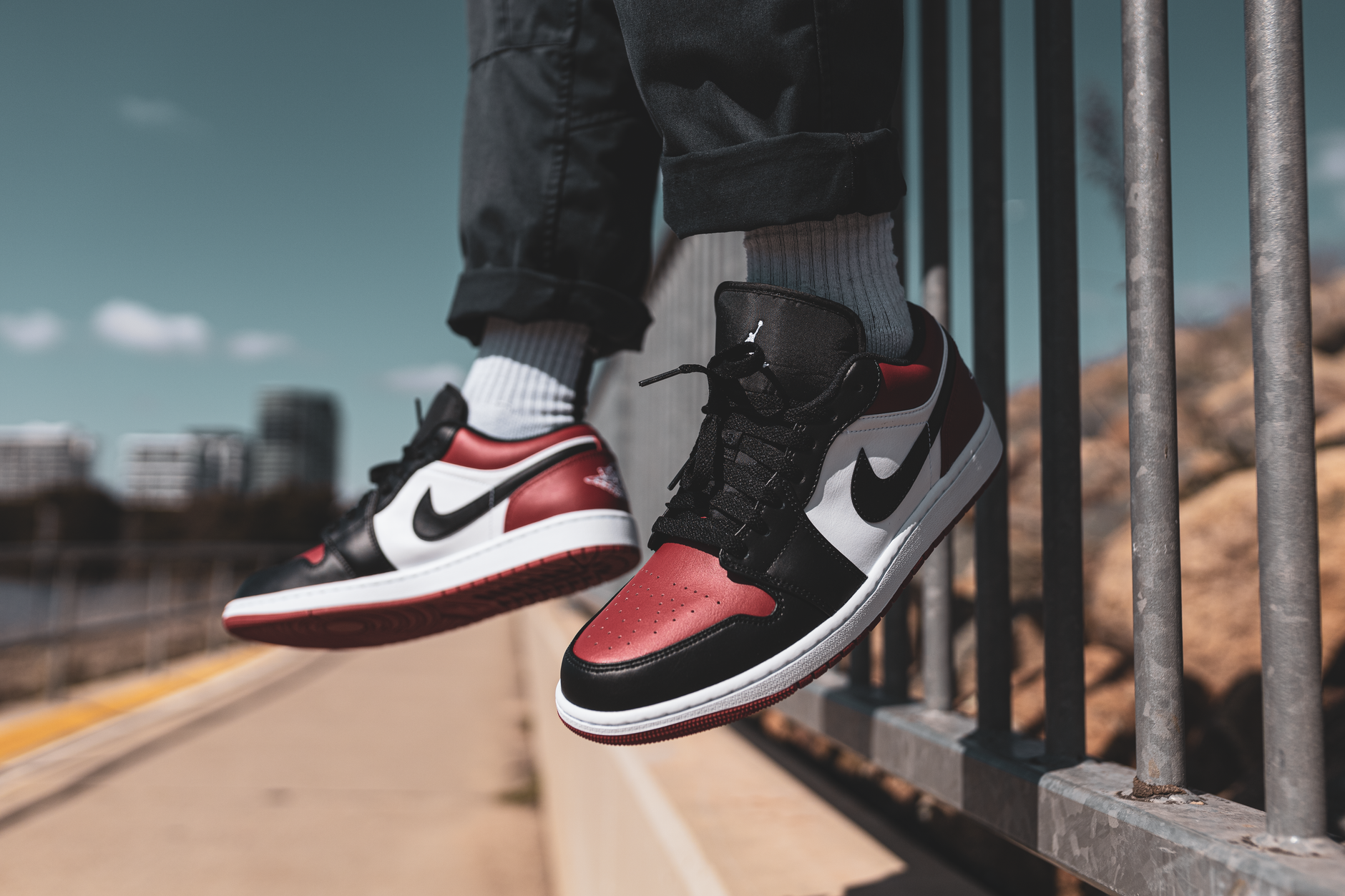
The Air Jordan 4 first appeared in 1989, designed by Tinker Hatfield, and it introduced a different visual language than its predecessors – more angular, more aggressive, with visible Air units and mesh side panels that gave it an almost architectural quality. That construction is why the shoe translates so cleanly outside athletic contexts. It holds its shape under styling pressure, pairing with tailored trousers, wide-leg denim, and even suiting in ways that older Jordan silhouettes struggle to pull off.
The “Bloodline” colorway plays on that architecture by grounding it in the Bulls’ signature red and black – a combination that has functioned as a kind of shorthand for Chicago cool since the early 1990s. The shoe’s release designation as “OG” signals that Nike and Jordan Brand are returning the design to its original specifications, rather than updating proportions or materials for a contemporary market. That fidelity to the source matters to both longtime collectors and fashion editors who’ve built editorial stories around archival sneakers.
Jordan Brand has become increasingly strategic about when and how it reissues the Jordan 4, spacing drops to protect demand rather than flooding the market with product. The “Bloodline” colorway follows that logic. It carries enough nostalgia to justify attention from heritage buyers while arriving with a colorway specific enough to feel targeted – not a generic re-release, but a particular expression of the Bulls chapter of Jordan’s career.
From a fashion-show-adjacent perspective, the Jordan 4 has appeared in designer lookbooks and on the feet of models backstage at international runway presentations often enough that its reappearance in a highly recognizable colorway functions almost like a reissue within a reissue – a silhouette that the fashion world has already canonized, now restated in its most emotionally loaded form.
Color as Identity
The Bulls red and black combination carries weight that goes beyond team loyalty. In the early 1990s, the NBA famously fined Michael Jordan for wearing the original Air Jordan line because it violated the league’s uniform color rules. That tension between institutional dress codes and individual expression became part of the sneaker’s mythology, and that mythology is baked into the “Bloodline” label itself – bloodline to a team, to a color story, to a specific and documented conflict over what athletes were allowed to wear.
That backstory matters in a fashion context precisely because it frames the shoe not just as a performance product but as an object with a point of view. The colorway is not decorative. It is argumentative.
What the Drop Means for the Market
The Air Jordan 4 Retro OG “Bloodline” carries the product code FV5029-005, and the release is positioned as a significant drop within Jordan Brand’s current calendar. The OG designation elevates its standing among collectors who track specification accuracy, and the Bulls-themed colorway ensures it will move beyond the sneaker-collector demographic into fashion and streetwear channels where Chicago sports iconography has maintained consistent appeal.
Retail pricing for Air Jordan 4 Retro OG releases typically sits in the $210 range at launch, though secondary market values for Bulls colorways have historically climbed well above that figure within the first weeks of release. The “Bloodline” name itself has been used in Jordan Brand’s history before, which adds another layer for collectors tracing the lineage of specific colorways across different release years – each version a slightly different read on the same source material.
What remains genuinely unresolved is how the fashion market absorbs this drop versus the sneaker-collector market. Both audiences want the shoe, but for different reasons and at different price tolerances. Jordan Brand’s distribution decisions – which retailers carry it, whether it goes through SNKRS app draws or broader retail release – will determine which community gets prioritized. And that decision, more than the colorway itself, will shape how the “Bloodline” Air Jordan 4 is remembered.