





The Ingredient Doing Heavy Work Without the Drama
Azelaic acid doesn’t have the cult following of retinol or the Instagram presence of niacinamide, but it’s quietly solving three of the most stubborn skin concerns at once: clogged pores, chronic redness, and the kind of dark spots that linger long after a breakout heals. It works by inhibiting the enzyme tyrosinase – the same one responsible for excess melanin production – while also reducing inflammation and keeping pores clear of the keratin buildup that leads to congestion in the first place.
Dermatologists have recommended prescription-strength azelaic acid (15% and 20%) for rosacea and acne for decades. What’s changed is the over-the-counter market, which now offers concentrations between 10% and 12% in formulas ranging from lightweight serums to gel-cream hybrids – effective enough for daily maintenance without requiring a doctor’s visit.

Why This Acid Works Differently Than the Others
Unlike AHAs or BHAs, azelaic acid doesn’t exfoliate the surface of the skin. It works deeper, at the level of the follicle and the melanocyte, which makes it better suited for people who find chemical exfoliants too irritating. Sensitive skin types, people prone to redness, and those dealing with post-inflammatory hyperpigmentation after acne all tend to respond well – without the peeling or purging phase that comes with stronger actives.
It’s also one of the few brightening ingredients considered safe during pregnancy, which matters when the usual roster of options – retinoids, hydroquinone, high-dose salicylic acid – gets taken off the table. That single fact has made azelaic acid a go-to recommendation for people navigating pregnancy-related melasma, a condition where hormonal shifts cause dark patches to develop across the cheeks, forehead, and upper lip.
What to Look for in an Azelaic Acid Serum
Concentration is the starting point. Most over-the-counter serums sit at 10%, which is enough to address uneven skin tone and mild breakouts with consistent use. A 12% formula pushes closer to the prescription range and is better suited for more persistent redness or inflammatory acne. Going above 15% without dermatologist guidance isn’t necessary for most people and increases the chance of irritation, particularly around the nose and mouth where skin tends to be thinner.
Texture matters more than it might seem. Azelaic acid has a naturally gritty, slightly chalky texture in its raw form, which means some formulas – especially those at higher concentrations – can leave a white cast or feel heavy under makeup. Gel-based and water-serum formulas absorb faster and tend to layer better with SPF and moisturizer during the day.
Packaging also plays a role in stability. Azelaic acid is relatively stable compared to ingredients like vitamin C, but air exposure can degrade it over time. Pump dispensers and airless tubes are preferable to open jars for this reason – a small detail that affects whether the product you’re using at week ten is still as effective as it was at week one.
Pairing matters too. Azelaic acid plays well with niacinamide, which adds additional anti-inflammatory benefits, and with barrier-supporting ingredients like ceramides and squalane. It’s generally fine to use alongside a low-percentage vitamin C serum if applied at different times of day, though stacking multiple actives in a single routine increases the chance of irritation for anyone with compromised skin.

How to Actually Use It
Azelaic acid can be used morning, evening, or both – it doesn’t increase photosensitivity the way retinoids or exfoliating acids do, so there’s no strict rule about keeping it out of daytime routines. That said, applying it at night gives the ingredient uninterrupted time to work without layering it under sunscreen and foundation, which can dilute absorption.
For first-time users, starting with every other night and building to daily use over two to three weeks is the most practical approach. Some tingling and mild flushing is normal during the first few applications – this tends to settle as skin adjusts. Persistent stinging, visible redness that lasts more than a few minutes, or peeling signals that concentration is too high or frequency is too aggressive, and scaling back is the right call rather than pushing through.
The Products Worth Knowing About
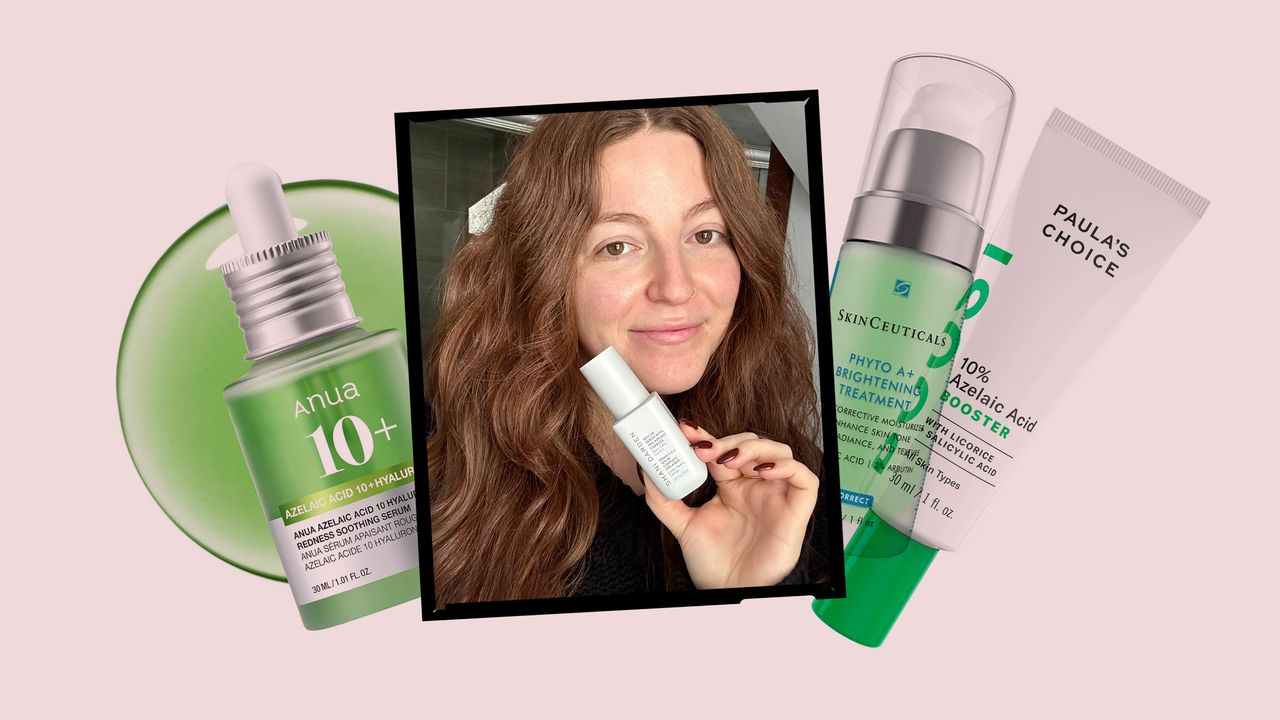
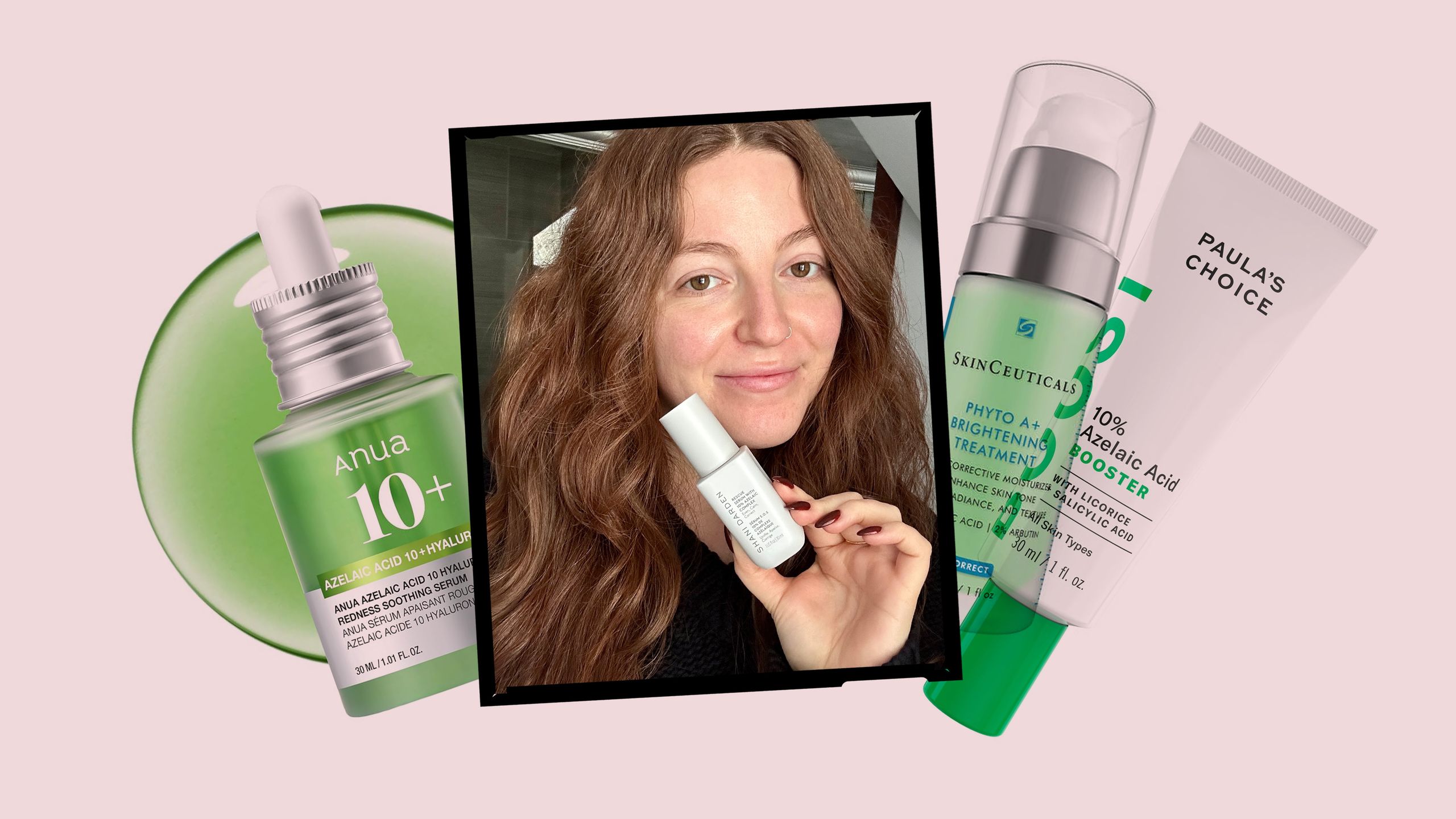
The market for azelaic acid serums has expanded significantly, with options now available at every price point. Drugstore formulas from brands like The Ordinary – which offers a 10% azelaic acid suspension – have made the ingredient accessible without a significant investment. At the mid-range, Paula’s Choice and Naturium both offer 10% formulas with additional skin-support ingredients that make them easier to fit into existing routines. For those managing active rosacea or inflammatory acne, a conversation with a dermatologist about a prescription-strength formula at 15% or 20% still makes sense before assuming an OTC product will do the full job.

What separates a genuinely effective azelaic acid serum from one that simply lists the ingredient on the label is formulation. A 10% concentration in a poorly designed base – one that doesn’t allow for proper absorption or that contains fragrance and alcohol – will consistently underperform against a lower-concentration formula built around skin-compatible delivery. Reading ingredient lists past the first five entries is worth the extra thirty seconds.
Azelaic acid doesn’t promise overnight results. Most people see a measurable difference in skin tone and breakout frequency after six to eight weeks of consistent use – which puts it roughly on the same timeline as niacinamide and well ahead of the months required to see real change from retinoids. For someone dealing with post-acne marks that have been sitting on the skin for months, the real question isn’t whether azelaic acid works – it’s whether six weeks of patience is something they’re willing to commit to.