





Pale Yellow Has Moved Past Seasonal
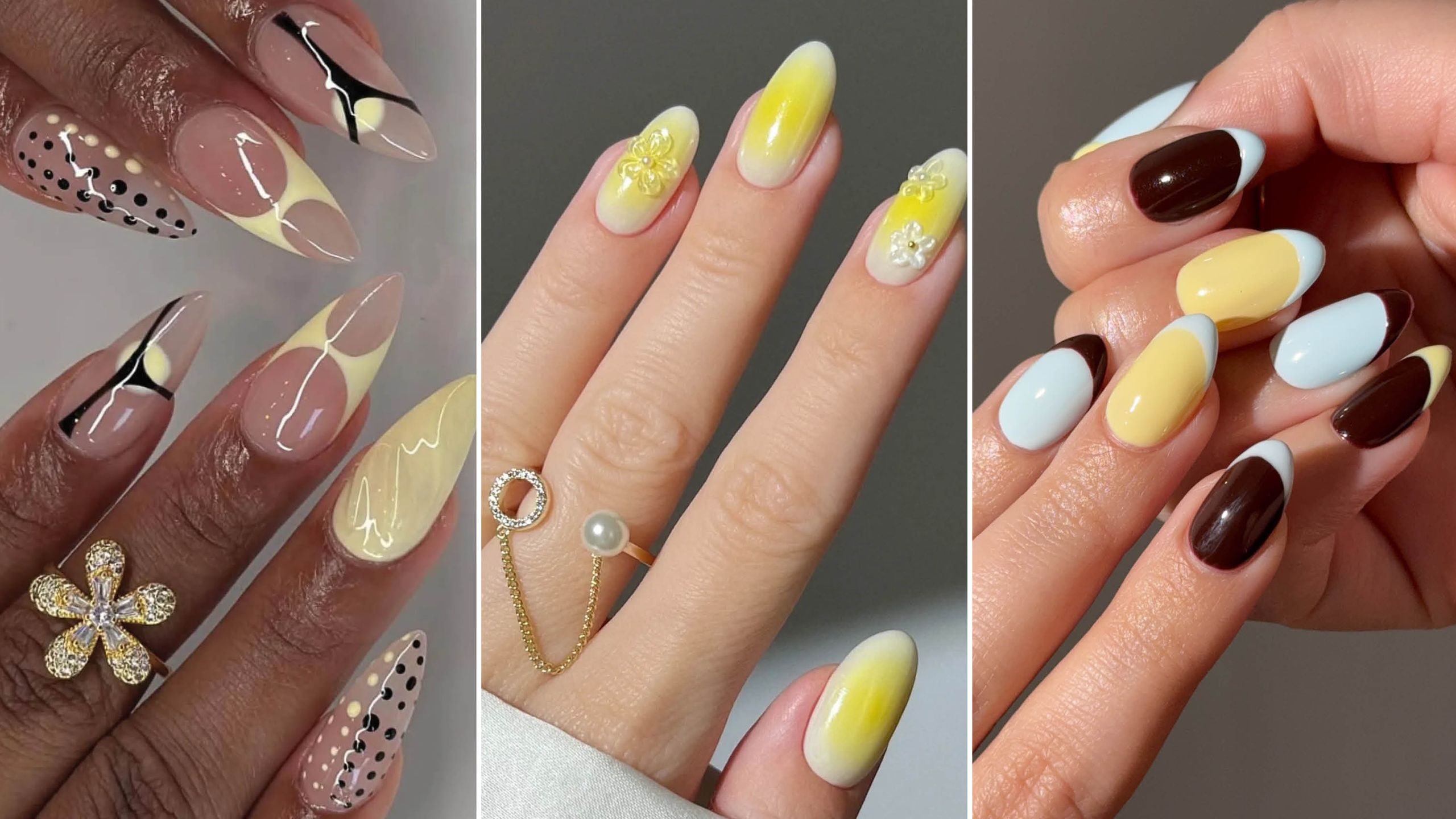
Scroll through any nail-focused corner of social media right now and one color keeps surfacing: a soft, creamy butter yellow that sits somewhere between white and gold without committing to either. It is not the sharp canary yellow of past summers, nor the washed-out ivory that dominated minimalist aesthetics a few years back. This specific shade – warm, muted, and slightly milky – has carved out its own lane in 2026 and is not showing signs of retreating.
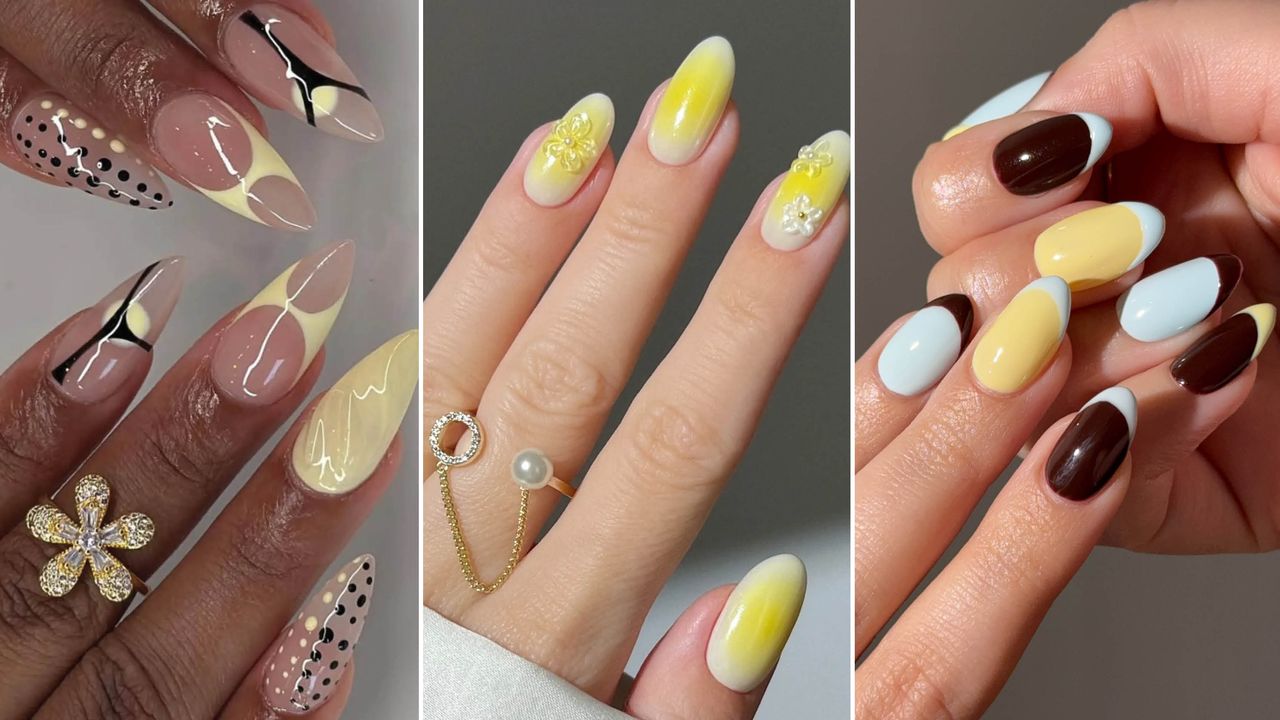
What started as scattered posts has become a recognizable pattern across beauty feeds, with butter yellow nail art appearing in everything from simple single-coat applications to more detailed work involving negative space and tonal layering. The color’s spread into 2026 suggests it has outgrown its trend lifecycle and is edging toward something closer to a wardrobe staple for nails.

Why This Shade Works Where Others Have Faded
Butter yellow occupies a flattering middle ground that few nail colors manage. It reads as neutral enough to wear with a wide range of outfits – cream linens, chocolate browns, white denim, even navy – while still registering as a deliberate color choice rather than a default. That balance is part of why it has maintained traction well into 2026, when many other micro-trends that launched alongside it have already cycled out.
The shade also photographs well in natural light, which matters enormously in an era where nail art is frequently documented and shared. Unlike highly saturated yellows, which can shift unpredictably depending on lighting and skin tone, butter yellow tends to stay consistent. It softens against warm undertones and adds quiet contrast against cooler ones, making it broadly wearable without requiring the careful color-matching that some statement shades demand.
Nail art executed in this palette has leaned heavily into minimalism – thin French tips in butter yellow instead of white, half-moon designs with sheer overlays, and tonal combinations that pair two slightly different butter shades on alternating fingers. The restraint of these approaches keeps the look current rather than costumey, which likely explains the sustained engagement it is generating across beauty content.
There is also an approachability to the color that more aggressive trends lack. Someone new to nail art can apply a single coat of butter yellow and achieve a finished, intentional result. Someone more experienced can build on it with foil accents, stamping, or hand-painted details. That scalability is rare, and it keeps the color relevant across different skill levels and aesthetic preferences.

How Nail Art Creators Are Interpreting It
The most shared versions of the butter yellow look in 2026 have avoided being precious or overly polished. There is a looseness to the execution – slightly imperfect edges, casual negative space, sheer washes that let the natural nail show through – that aligns with the broader move toward effortless-looking beauty rather than high-effort perfection. The color does a lot of the work on its own, which gives creators room to keep the art itself understated.
A buffet of pale yellow nail art is actively dominating feeds as of 2026, which signals that this is not a niche corner of beauty content anymore. It has reached the kind of saturation where mainstream audiences are encountering it regularly, not just dedicated nail followers.
The Staying Power Question
Colors that hold attention across multiple seasons usually do so because they solve something. Butter yellow solves the problem of wanting warmth without brightness, color without commitment, and visual interest without the maintenance demands of darker or more complex shades. Those are practical reasons that do not disappear when a trend cycle turns over.
At the same time, the very visibility that marks butter yellow’s success in 2026 is the same force that eventually exhausts a color’s cultural energy. When a shade becomes this recognizable this fast, the question is not whether it will peak – it will – but whether it fades entirely or settles into the kind of quiet permanence that colors like navy, burgundy, and dusty rose have achieved in nail culture. Prestige beauty brands have already begun stocking more butter-toned options, which suggests the retail side is treating it as a longer-term investment rather than a flash SKU.

The color that gets called a trend long enough either disappears or becomes unremarkable – and unremarkable, in the context of nail color, is another word for classic. Whether butter yellow earns that designation in the next eighteen months or gets replaced by the next softened, milky iteration is the only open question left.