




The Early-2000s Layering Formula Is Everywhere Again
Y2K layering – once dismissed as a relic of low-rise jeans and Von Dutch hats – has resurfaced on streets, runways, and social feeds, and this time it carries more intention than nostalgia.
What the Trend Actually Involves
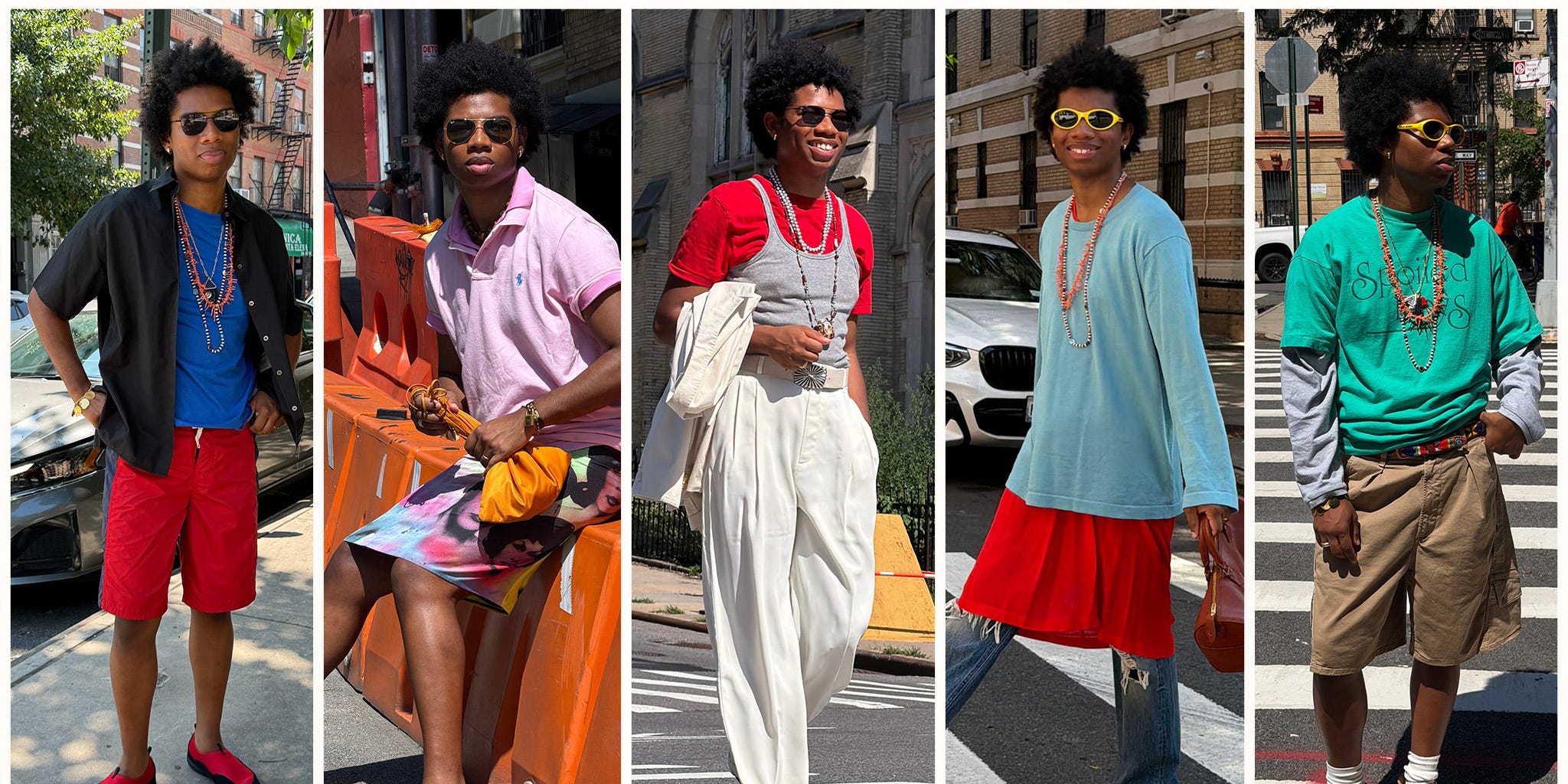
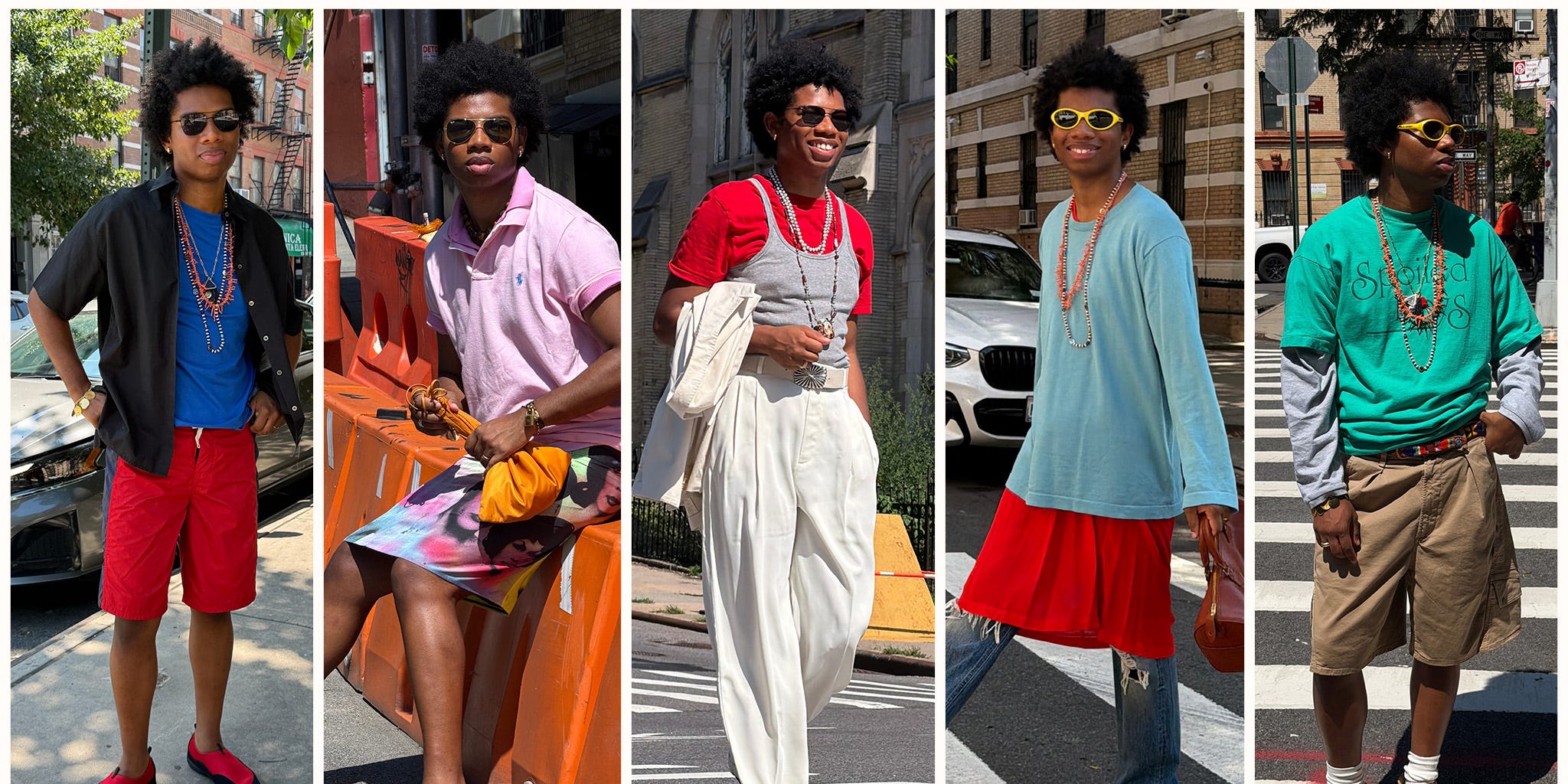
The Y2K layering revival is not a single look but a collection of specific styling techniques that defined the early 2000s wardrobe. Double polos – wearing two polo shirts simultaneously, collars stacked or one popped over the other – sit at the center of this resurgence. It was a micro-trend so specific to that era that seeing it return feels almost jarring, yet it has landed with surprising ease on contemporary figures who treat it less as costume and more as considered casual dressing.
Equally prominent is the dress-over-pants combination, which was once the signature move of anyone who wanted to appear effortlessly put-together in 2002. The logic then was that you could hold onto a dress you loved while still managing the cold, or the modesty, or simply because the pants were too good to leave at home. The logic now is essentially the same, except the pants are wider, the dress is often slip-style satin or a baby-doll silhouette, and the whole arrangement reads as deliberate rather than transitional.
Other techniques folded into this wave include layering fitted long-sleeve tops beneath spaghetti-strap dresses or camisoles, doubling up on skirts of different lengths, and wearing a button-down shirt open over a graphic tee. None of these are new inventions. Every single one of them has a direct lineage to something a teenager was photographed wearing at a mall in 2003. That specificity is part of the appeal – it is referential without requiring much explanation.
What separates the current iteration from a straight revival is a shift in proportion and fabric. The pieces being layered today tend to skew larger – wider trousers beneath midi dresses, oversized polos stacked rather than slim-fitted ones. The silhouette reads boxier, less precious, more comfortable with taking up space. The early-2000s version was often tighter on both layers; the effect was maximalist in color and pattern but relatively fitted in shape. That distinction is where the “modern” qualifier earns its place.
How to Build the Look Without Overthinking It
Starting with the double polo is the lowest-barrier entry point. The technique works best when the two shirts are in contrasting but complementary colors – think a pale pink layered under a deep burgundy, or a cream over white for a tonal approach. Popping one collar or both is optional and depends entirely on how far into the reference you want to go. Leaving collars flat keeps the look grounded and contemporary; flipping them up tips the whole thing closer to costume.
For the dress-over-pants approach, proportion is the single factor that determines whether it works. A slip dress over wide-leg trousers creates a natural break at the hem that feels intentional. A baby-doll dress over straight-leg pants achieves a similar balance. Where the combination tends to collapse is when both pieces are too close in length, leaving the silhouette undefined – the pants should be fully visible below the dress, not just peeking out by a centimeter. The shoe matters here too: a pointed flat or a low block heel extends the leg line and keeps the volume in check, while a chunky sneaker pushes the whole arrangement toward a streetwear register.
The spaghetti-strap-over-long-sleeve approach is arguably the most wearable of the group because it functions as practical layering first and styling second. A fitted white or black long-sleeve top underneath a satin or lace-trimmed camisole works as well in October as it does in March. The contrast between the casual base layer and the more delicate top layer is where the interest comes from. Matching the long-sleeve to the strap color of the cami creates a cleaner read; mismatching them – a white tee under a chocolate satin strap – is slightly more textured and relaxed.
Doubling up on skirts requires more commitment but delivers the strongest visual payoff of the group. A sheer or chiffon midi worn over a shorter, more structured skirt is the most direct reference to early-2000s styling. The key is making sure the under-skirt has enough structure to hold its own shape rather than being swallowed by the layer on top. A pleated mini or an A-line in a heavier cotton sits well under a floatier second skirt without collapsing into it.
The open button-down over a graphic tee is so embedded in casual dressing at this point that it barely reads as a trend, which is arguably why it persists. In the Y2K context, the button-down was often a camp-collar or short-sleeve style, worn entirely unbuttoned, with the graphic tee doing most of the visual work. Revisiting it now with a slightly oversized flannel or a thin oxford shirt in a print gives it enough specificity to feel connected to the moment without requiring any real stretch.
Color and pattern mixing was a core part of how Y2K layering communicated personality, and that element has carried forward. Layering a striped polo under a solid-color polo, or wearing a floral slip over plaid trousers, sits within the same logic the trend originally operated on – more is more, but only if the colors share at least one point of agreement. A common undertone, a repeated hue, or a deliberate clash that references something specific all work. What tends to look unresolved is mixing patterns that simply coexist without any visual relationship to each other.
Where the Trend Is Showing Up
The dress-over-pants look in particular has appeared across multiple spring and resort collections, with designers revisiting the silhouette as a way to add layering logic to warmer-weather dressing. On the street, the double polo has been spotted most frequently in university towns and among the thrifting-forward crowd, where vintage polos are abundant and cheap enough to double up without financial anxiety.
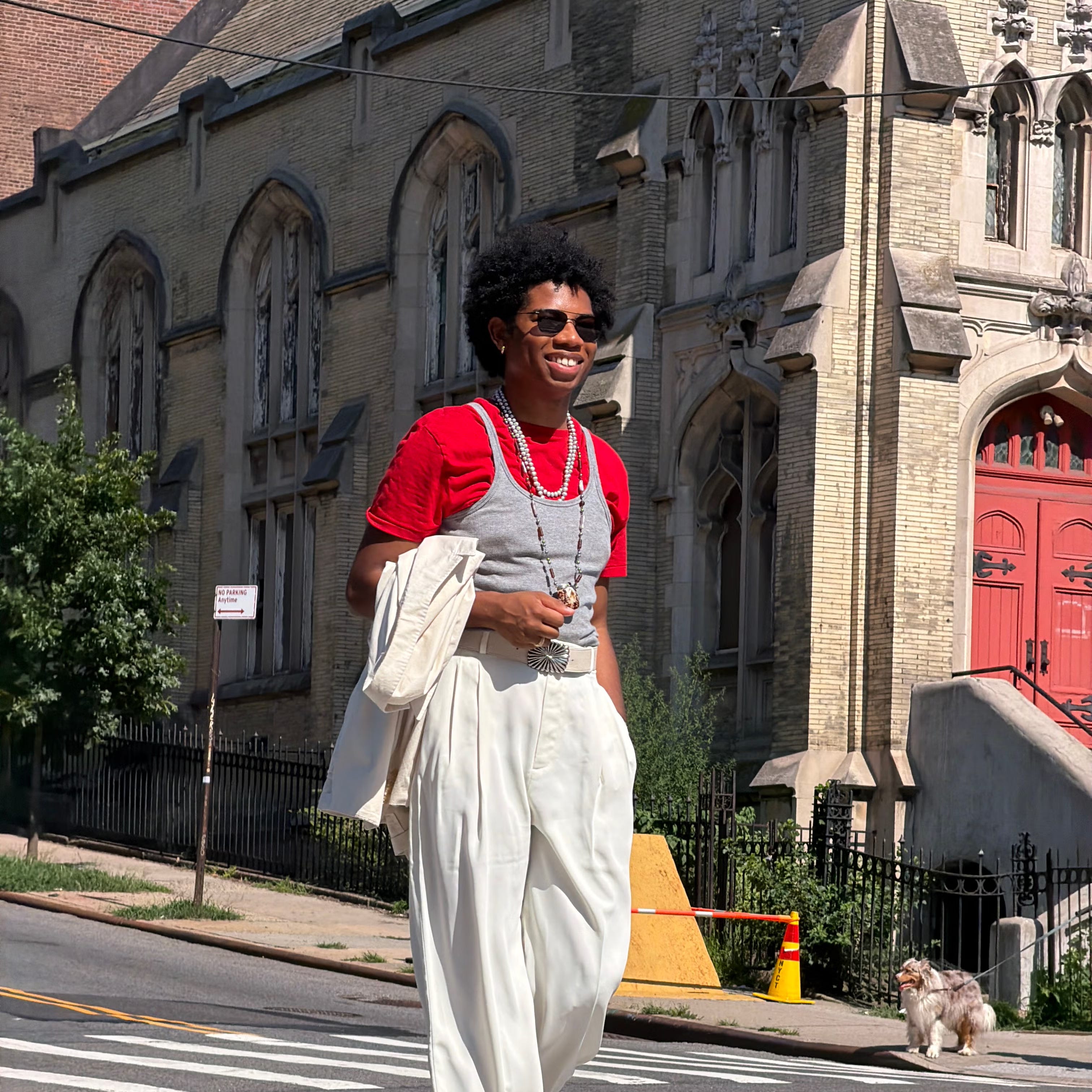
The styling tricks that defined Y2K layering were never really about difficulty – they were about having enough pieces and the willingness to put two of them on at once. The resurgence works because that premise still holds. The question is not whether someone can execute the dress-over-pants combination, but whether the pants they already own are wide enough to make it feel current rather than dated – and for a lot of wardrobes, that answer might already be yes.