






Where Camp Aesthetics Meet Genuine Dread
Jane Schoenbrun’s third feature, Teenage Sex and Death at Camp Miasma, arrives as something the director built entirely on their own terms – sexy, frightening, and resistant to easy categorization, with Hannah Einbinder and Gillian Anderson leading the cast.

The Film Schoenbrun Had to Make
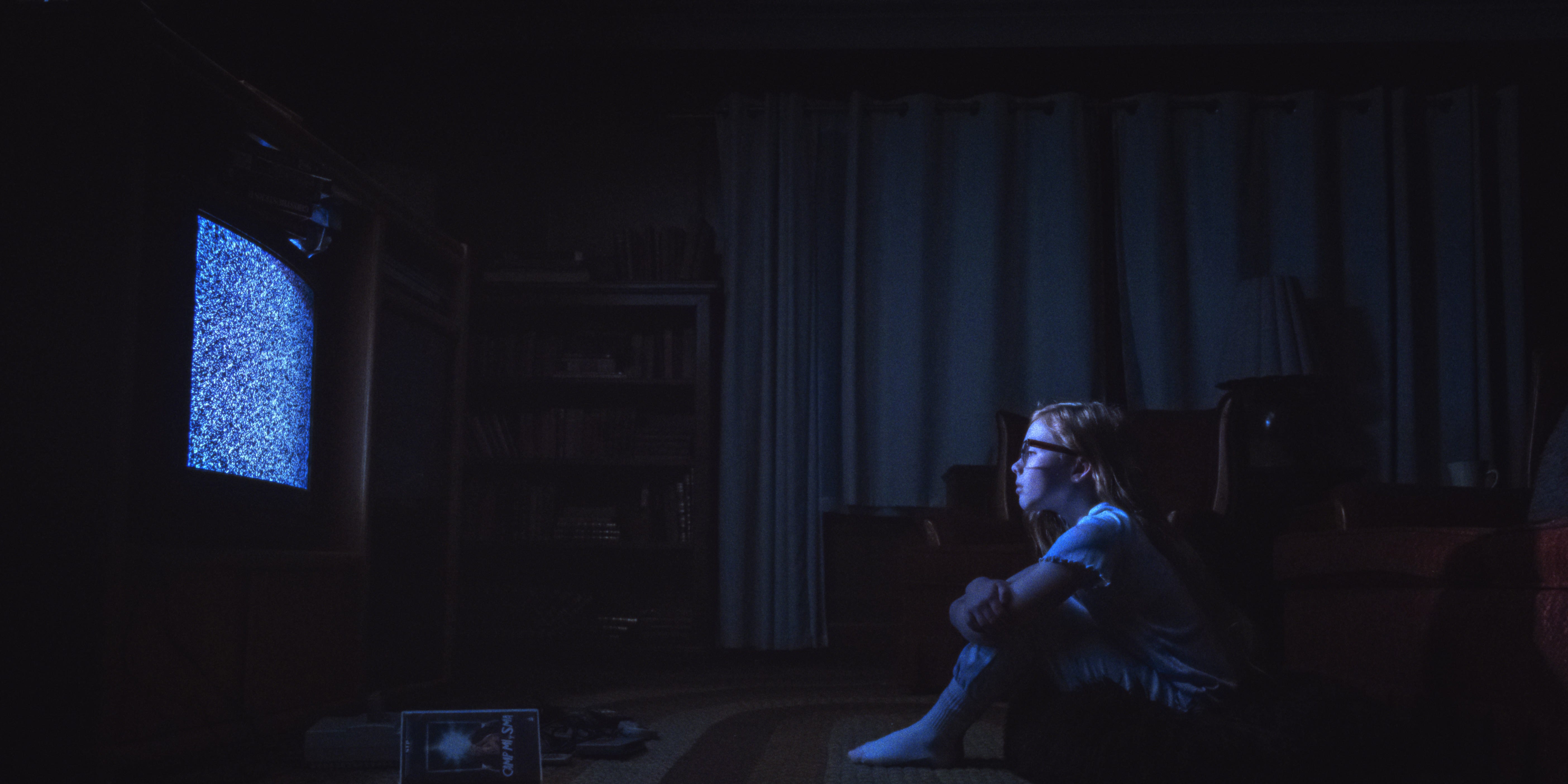
There is a particular kind of director who treats each project as an escalation rather than a departure, and Schoenbrun fits that description precisely. Their first two features established a sensibility that sits at the intersection of internet culture, gender dysphoria, and psychological horror – territory that mainstream Hollywood largely ignores. Camp Miasma pushes further into that same territory, this time with a cast that brings genuine star power alongside the director’s characteristically strange vision.
Hannah Einbinder, best known for Hacks, steps into material that demands something quite different from sharp comedic timing. Gillian Anderson, whose career has long included a willingness to work in strange registers – from The X-Files to The Fall to Sex Education – brings the kind of authority that a film called Teenage Sex and Death at Camp Miasma needs to avoid collapsing under the weight of its own provocations.
The title itself is doing a specific kind of work. It signals genre – summer camp horror has a long American lineage – but also announces that Schoenbrun is not interested in playing that lineage straight. The words “sex” and “death” sitting next to “camp” suggest both the horror-movie genre staples and the aesthetic category of camp itself, that sensibility of artifice, excess, and knowing theatricality that Susan Sontag wrote about in 1964. Whether or not Schoenbrun intends all of that layering, the title functions as a declaration of intent.
Schoenbrun discussed making the film with Harper’s Bazaar, describing the experience of creating what they called their third feature – meaning they consider this a full step forward from We’re All Going to the World’s Fair and I Saw the TV Glow, both of which built a devoted following while remaining deeply outside commercial filmmaking norms. The new film retains that outsider positioning while working with more recognizable performers, which creates its own set of interesting pressures.
Fashion, Horror, and the Aesthetics of Terror
What connects horror filmmaking to fashion at the level of pure craft is the management of atmosphere – both disciplines require building a world that feels internally consistent, where every visual choice either reinforces or deliberately disrupts the emotional register being established. Schoenbrun has demonstrated across two features that they understand this intuitively. The costuming, color work, and production design in I Saw the TV Glow in particular read as a coherent aesthetic system, one where what characters wear and how they inhabit space communicates identity questions that the dialogue never quite states directly.
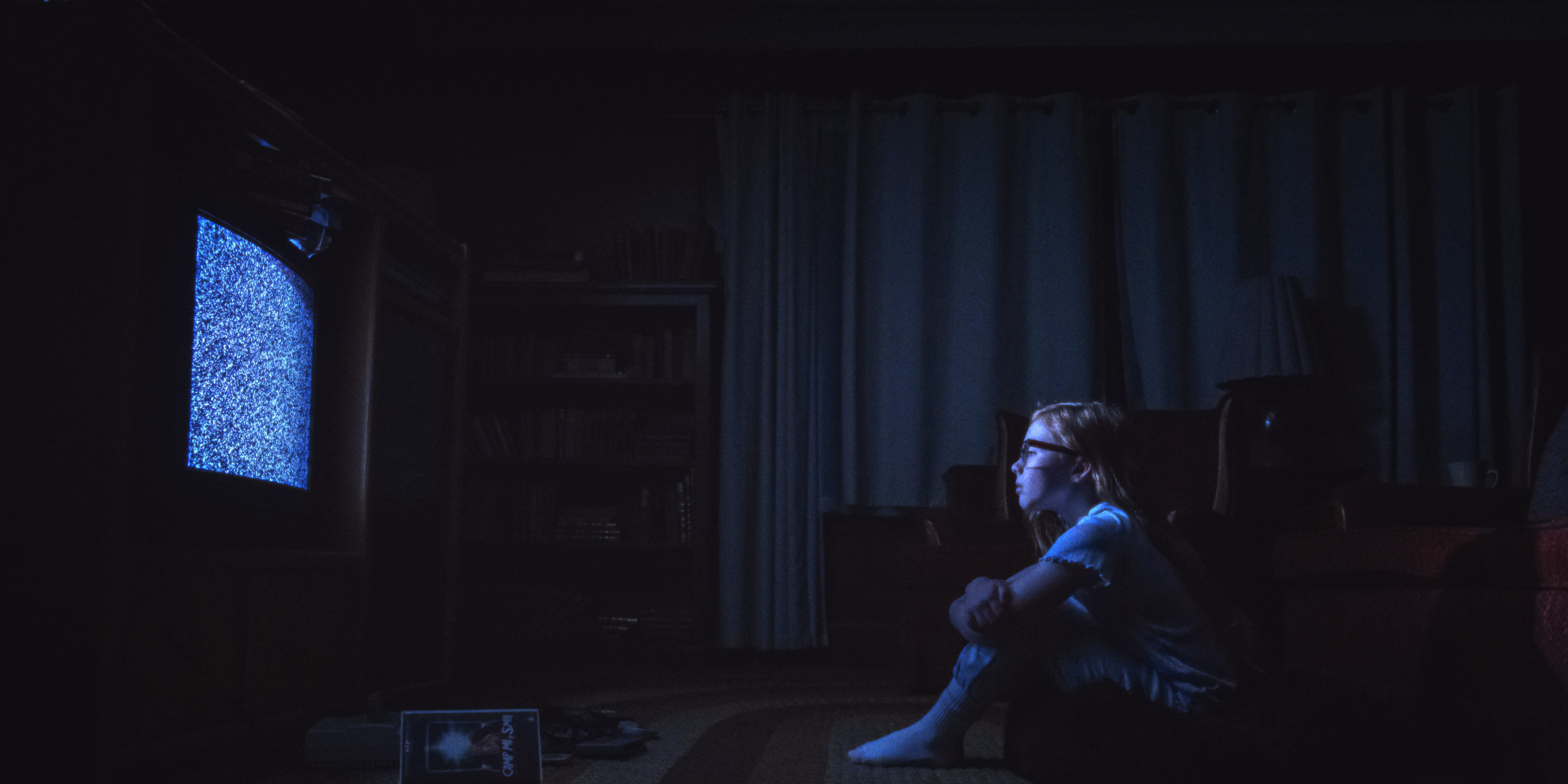
Camp Miasma works within a genre that has its own rigid visual grammar – the summer camp setting implies certain textures, fabrics, color palettes, a particular kind of American casualwear that signals adolescence and outdoor vulnerability. Cabins, lake water, athletic shorts, worn-in t-shirts. Schoenbrun takes those signifiers seriously as a filmmaker who came up thinking carefully about how images carry meaning, and the horror emerges partly from how those familiar visual codes get distorted.
Gillian Anderson’s presence introduces a different visual vocabulary. She has, across decades of work, developed a screen persona built partly on precise, controlled style – even in her most unhinged roles, there is a composure to how she occupies the frame. Casting her in something described as “sexy, scary, and deeply original” suggests Schoenbrun is interested in what happens when that composure encounters genuine disruption. Anderson’s Sex Education run on Netflix showed she was willing to move into warmly absurdist territory; Schoenbrun’s aesthetic is considerably colder and stranger.
Einbinder brings her own visual identity, shaped significantly by Hacks and its deliberate generational contrast between her character’s studied Gen-Z nonchalance and Jean Smart’s maximalist glamour. Stripped of that context and placed inside a horror framework, Einbinder’s physical presence and comedic timing become available for different purposes – the horror genre has always exploited the gap between a character’s confidence and their actual vulnerability, and Einbinder’s natural on-screen authority makes that gap potentially very uncomfortable to watch.
The “deeply original” description applied to the film by its own promotional framing is worth examining with some skepticism – every film claims originality. What Schoenbrun’s track record actually demonstrates is a consistent formal rigor and a specific set of thematic preoccupations that recur across their work: dissociation, the queerness of adolescence, the horror latent inside media consumption, the way identity can feel both desperately real and completely constructed. These are not common concerns in American horror cinema, which tends toward external threat rather than internal dissolution. If Camp Miasma continues in that direction with a higher-profile cast, the original quality would come from that persistent interiority rather than from surface novelty.
The ecstasy the director describes finding in making this film is worth taking seriously as a creative signal. Schoenbrun’s previous work carries a quality of genuine urgency – the films feel made because they had to be, not because a market demanded them. That urgency tends to produce either very good or very difficult cinema, sometimes simultaneously. The “terror and ecstasy” framing suggests Camp Miasma was made from a similar emotional position, which usually shows on screen whether or not the audience can articulate what they’re responding to.

What the Casting Signals About Where Schoenbrun Is Heading
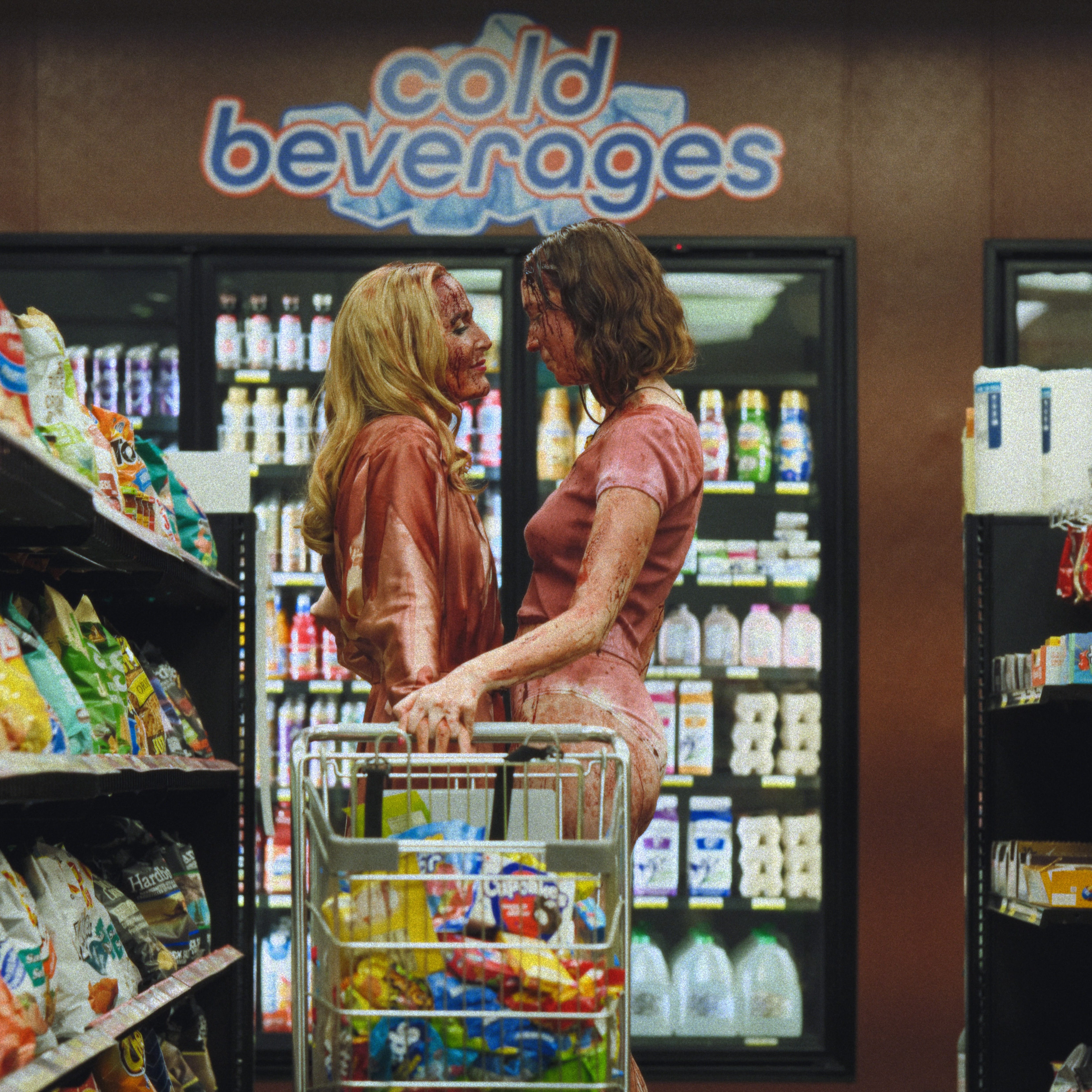
Moving from micro-budget independent work to a cast that includes Gillian Anderson is not a minor shift in production scale – it implies that Schoenbrun has attracted the kind of institutional support that comes with real distribution expectations. Whether that support changes the films or simply gives them a larger platform is the question hanging over this project. Anderson and Einbinder are not actors who take work randomly; both have demonstrated career-long selectivity about projects, which means their presence in Camp Miasma is itself an endorsement of Schoenbrun’s vision rather than a commercial calculation on their parts.
The film’s title promises something genuinely transgressive – “sex and death” in a single breath, attached to a camp setting that implies young people and summer freedom and the kind of American adolescence that exists simultaneously as lived experience and cultural mythology. Schoenbrun is a director who has personal stakes in questions about adolescence and identity that go beyond craft interest, and that personal investment has been visible in both previous features. Whether Camp Miasma converts that investment into the kind of film that reaches beyond the already-devoted audience – or whether it remains, by design, a film for people who already know why Schoenbrun matters – is the tension the project carries into release.