






A Luxury Brand Steps Off the Heel
Jimmy Choo, long defined by its stilettos and evening shoes, is now being positioned as a casual footwear contender – and Capri Holdings’ chief executive sees that shift as a long-term growth opportunity for the brand.

What Capri Is Betting On
Capri Holdings, the parent company behind Jimmy Choo, Versace, and Michael Kors, reported first-quarter revenue that exceeded expectations, rising 10.5 percent compared to the same period the prior year. The stronger-than-anticipated performance gave the company’s leadership more ground to stand on when laying out ambitions for each of its labels – and Jimmy Choo’s trajectory is drawing particular attention.
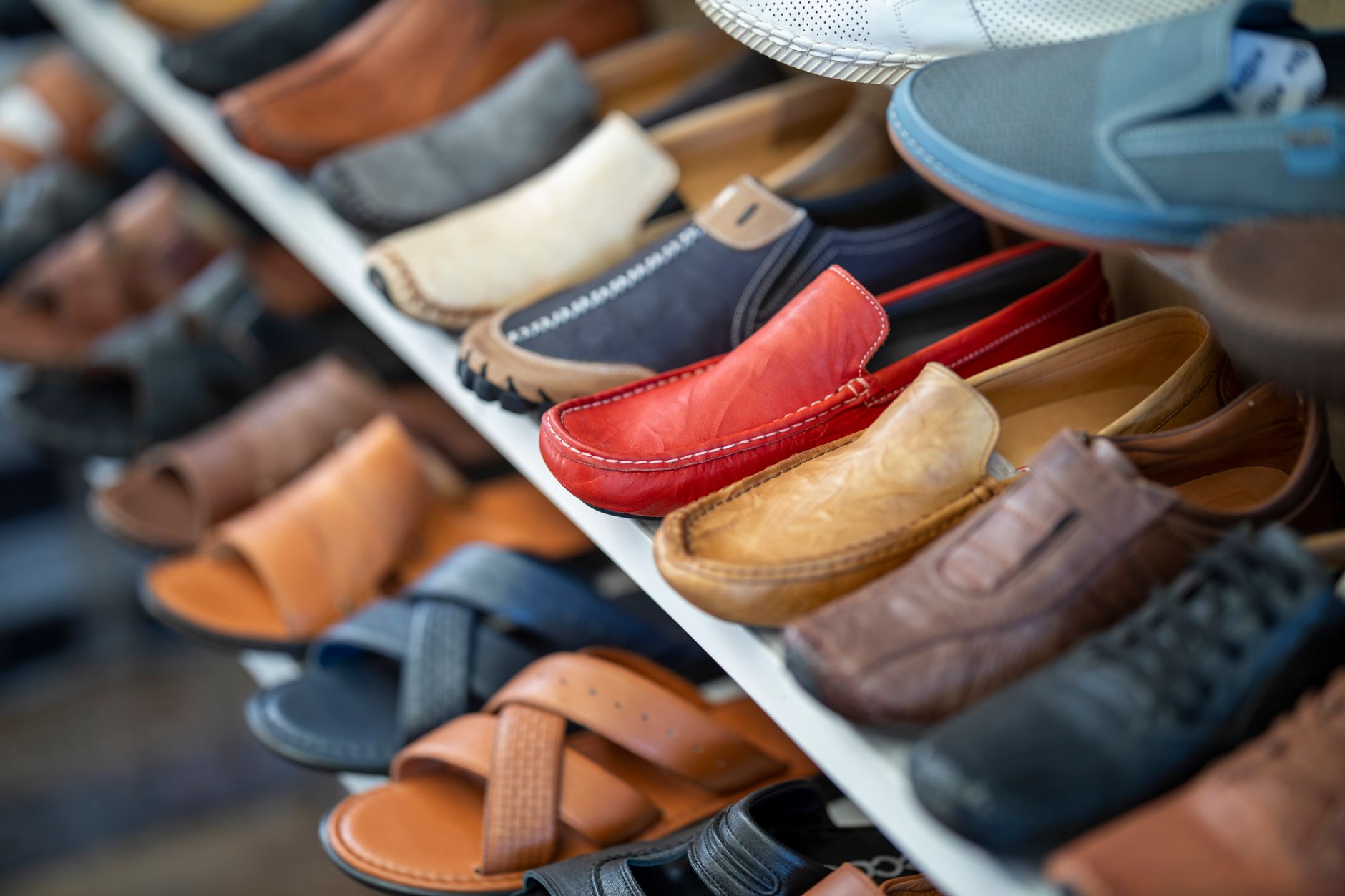
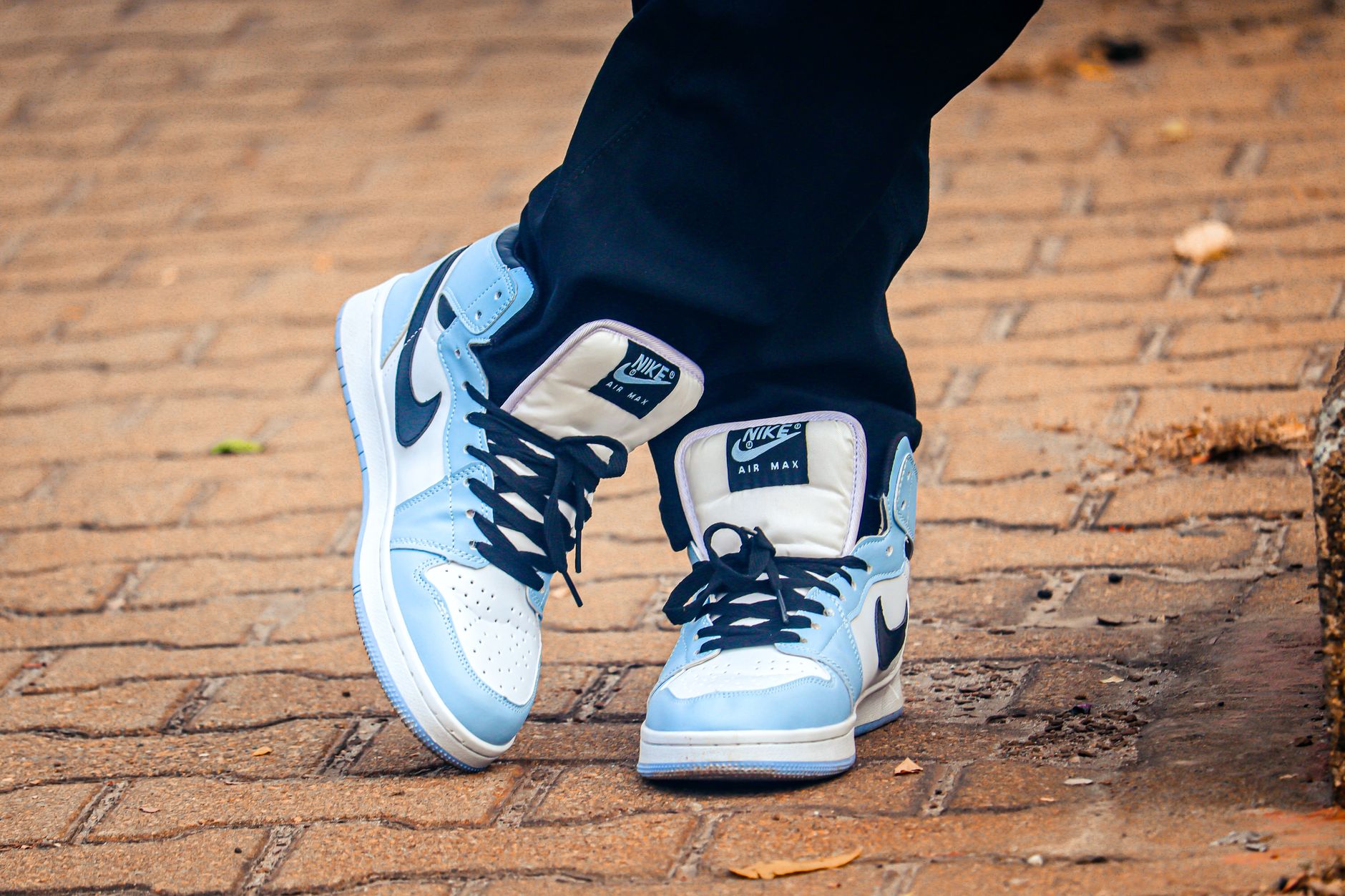
The focus now, according to Capri’s CEO, is on building out the brand’s casual shoe offering. Jimmy Choo has historically commanded its strongest recognition in the dress shoe and evening wear categories – territory it has owned for decades. Expanding into casual styles means competing on entirely different terms: comfort expectations, price accessibility, and the kind of everyday wearability that luxury brands often wrestle with positioning.
It is not a small ask. Casual footwear is a crowded market, and Jimmy Choo’s equity is built almost entirely on occasion dressing and aspirational glamour. Moving into sneakers or relaxed silhouettes without diluting what makes the brand desirable is a balance that has tripped up other luxury houses before. But Capri’s leadership is framing the casual push not as a departure from identity, but as an expansion of it.
The argument being made internally is that consumers who already love the brand want more entry points into it – styles they can wear outside of a formal event, products that justify the Jimmy Choo label on a Tuesday afternoon rather than only on a Saturday night. That kind of everyday presence, if executed without undermining the label’s prestige, could meaningfully widen the customer base.
Building a Broader Shoe Wardrobe Under One Name
What makes the casual footwear category attractive from a business standpoint is volume. Dress shoes and heeled styles, however high the average selling price, represent a limited number of purchases per year for most consumers. Casual shoes – sneakers, loafers, flat sandals, everyday boots – are bought more frequently and worn more often. A customer who owns one pair of Jimmy Choo heels might own five pairs of casual shoes from other brands. Capri is clearly trying to capture some of that wallet share.
The 10.5 percent revenue increase in the first quarter gives Capri some financial breathing room to invest in this direction. Exceeding quarterly expectations is a meaningful marker for a conglomerate managing three distinct luxury brands simultaneously, each with its own retail footprint, wholesale relationships, and marketing spend. Positive numbers at the top line make it easier to allocate resources toward longer-range bets like category expansion.
Jimmy Choo’s casual shoe ambitions also arrive at a moment when the broader luxury market is navigating a complicated consumer environment. High-end spending has shown resilience in some segments while softening in others, and brands that can offer a range of price points within their ecosystem – without collapsing into mass-market territory – tend to weather uncertainty more steadily. A casual sneaker at a lower price point than a signature heel still carries the brand’s name and can introduce younger or more cost-conscious shoppers to the label.
There is a meaningful difference, though, between a brand announcing it is entering a category and that brand actually earning a foothold there. Casual luxury footwear is not without its own competition. Brands like Golden Goose, Common Projects, and even legacy houses that pivoted to sneakers years ago have already built loyal casual-shoe followings. Jimmy Choo would be entering with strong name recognition but relatively limited track record in the segment.
What Capri’s CEO is communicating to the market by calling casual shoes a “long-term” opportunity is, in part, a calibration of expectations. This is not a category that will reorder the brand’s revenue profile in a single fiscal year. It is a runway play – something that compounds over time if the product is right and the positioning holds.
Where This Leaves the Brand
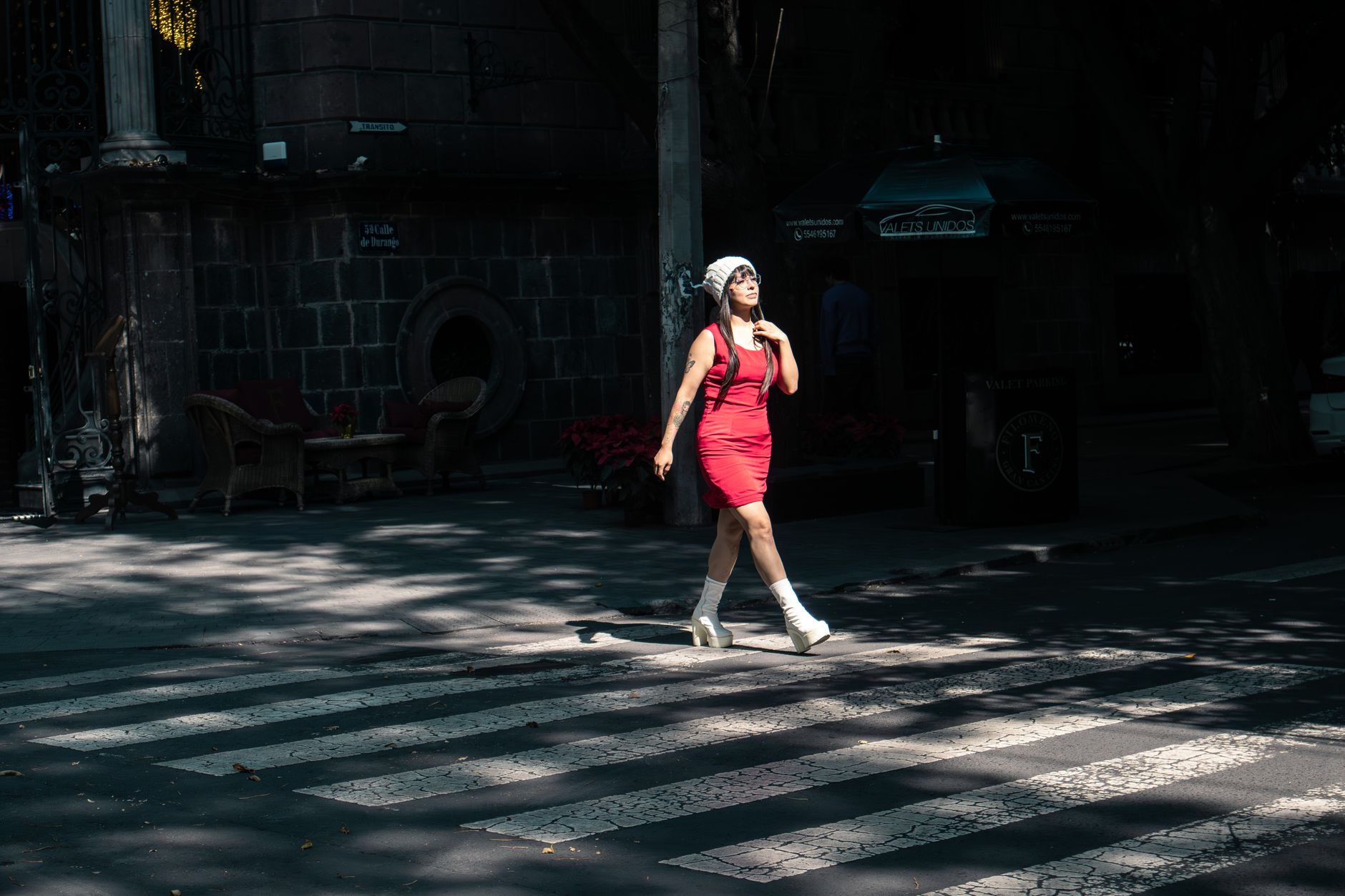
Jimmy Choo’s identity has always been bound up in a particular kind of femininity and evening glamour, built over decades of red carpet placements and editorial features. Whether casual shoes can carry that same emotional weight – or whether they need to – is the open question sitting underneath all of this strategic language.
The 10.5 percent revenue increase gives Capri a confident backdrop for making that argument to investors. But the actual proof will come from whether a woman who has never needed a Jimmy Choo moment in her daily life decides she wants a pair of Jimmy Choo flats for her commute.