






A Small Label with a Fast-Moving American Footprint
Homies, the independent footwear brand operating out of Portugal, is no longer a regional story. The label has built out U.S. fulfillment infrastructure and is tracking toward a milestone that few small independent shoe brands reach this quickly: America is on course to become its single largest market, with U.S. sales expected to approach half of its total business by the end of the year.
That is a striking number for a brand that has not leaned on the kind of retail firepower or celebrity endorsement machinery that typically propels European footwear across the Atlantic.
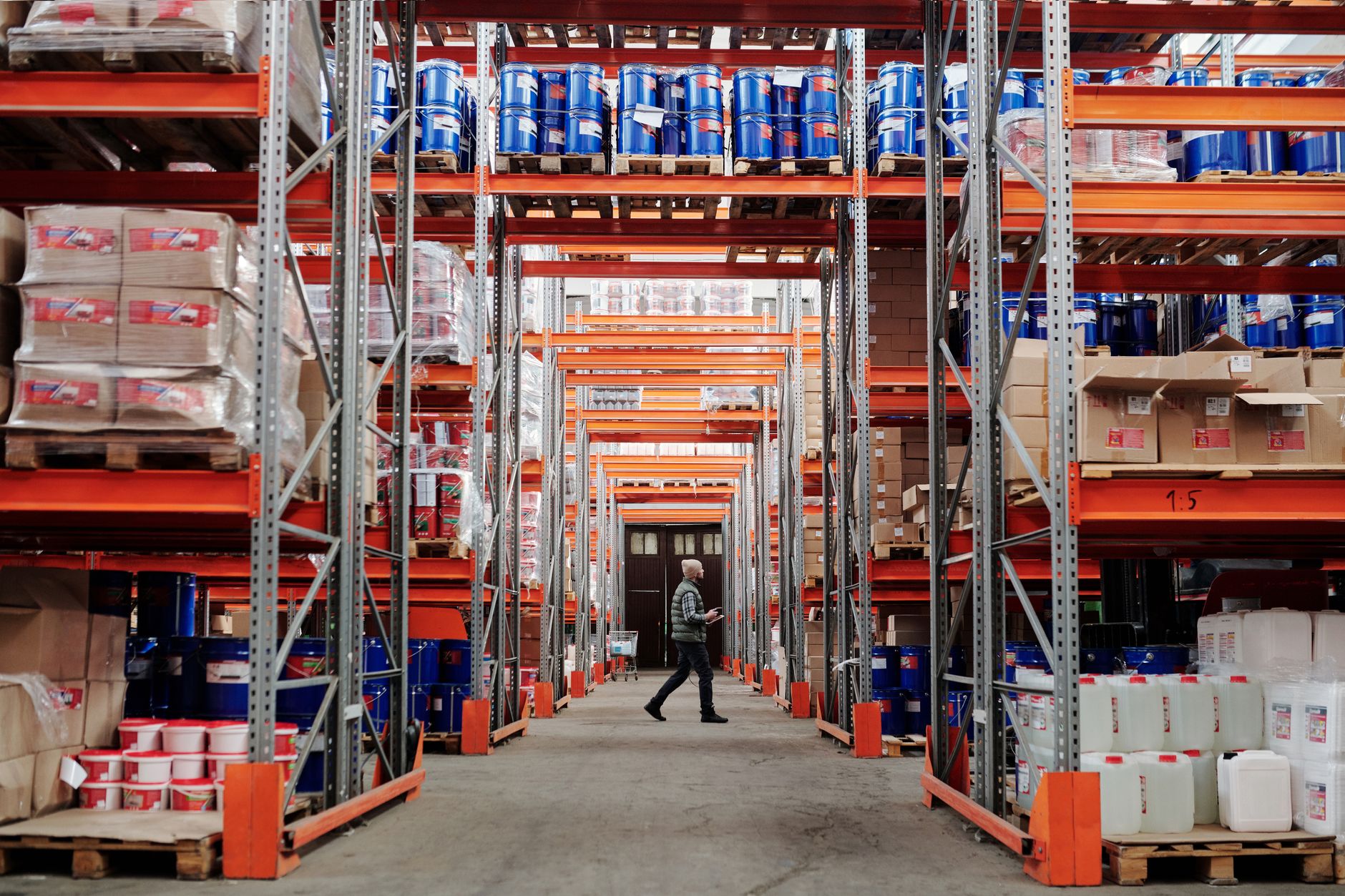
Homies has done it by moving deliberately – establishing domestic fulfillment on American soil before the demand fully arrived, rather than scrambling to catch up after the fact. The logistics piece matters more than it sounds. For independent labels, slow delivery and customs friction are often the invisible walls that keep international traction from converting into loyal repeat customers. By resolving that before the sales curve steepened, Homies positioned itself to retain buyers it might otherwise have lost to impatience or shipping costs.

What the U.S. Fulfillment Move Actually Signals
Setting up fulfillment in America is not a cheap or casual decision for an independent brand based in Portugal. It requires committing inventory capital to a market before that market has fully proven itself, and it means managing two operational centers across time zones and logistics networks. The fact that Homies made that call early says something about how seriously the brand is reading its own American demand signals.
Independent footwear labels from Europe have a complicated history in the U.S. market. Some arrive with strong press momentum and dissolve within two seasons because the operational backend cannot support the commercial ambition. Others scale slowly and never break through the noise of a footwear market dominated by a handful of giants and their marketing budgets. Homies appears to be threading that gap by keeping overhead decisions tied directly to where revenue is actually coming from – and right now, that is increasingly America.
With U.S. sales expected to hit close to 50 percent of total business by year-end, the brand is approaching a point where its American operation is functionally equal to everything else it does everywhere else combined. That kind of geographic concentration would concern some founders – over-reliance on a single market carries real risk – but it also reflects genuine consumer pull, not manufactured hype. The customers are showing up without a blockbuster campaign driving them there.
Portugal as a Production Base in a Shifting Footwear Landscape
Portugal has quietly built one of the more respected footwear manufacturing ecosystems in Europe. Brands operating out of the country benefit from access to skilled craftspeople, established tanneries, and a production culture that has attracted attention from labels far larger than Homies. For an independent brand, being embedded in that environment provides a quality foundation that would be difficult and expensive to replicate elsewhere.
That context matters when thinking about why an American consumer would choose Homies over domestic alternatives or the larger European brands with decades of name recognition. The Portugal origin story carries genuine production credibility – it is not marketing language, it is a supply chain reality. Shoes made in Portugal carry with them a manufacturing heritage that resonates with a specific kind of footwear buyer: one who is paying attention to where and how things are made, not just what they look like on a shelf or a feed.
The U.S. footwear market is large enough that even a narrow slice of it represents real commercial scale for an independent label. Homies does not need to compete with Nike or even the mid-tier heritage brands to build a sustainable business – it needs to find its segment and hold it. The velocity of U.S. growth toward that near-50-percent threshold suggests the segment is there, it is growing, and the brand has been consistent enough to keep those buyers returning.


The Road From Footing to Full Market Presence
What Homies is navigating now is the moment that tests most independent brands: the transition from discovery-phase growth to structural stability. Early adopters in the U.S. found the brand, and the fulfillment infrastructure is in place to serve them properly. The next question is whether Homies can deepen its American presence without losing the independence and specificity that made it attractive in the first place. Scaling distribution, adding retail partnerships, or leaning into wholesale all carry trade-offs – and the brand will have to decide how far it wants to go before the American market stops feeling like an opportunity and starts feeling like an obligation.