






The Scent Beneath Your Feet Is Having a Moment
Soil-living microbes are not the usual starting point for a fragrance trend – but petrichor-inspired perfumes are built on exactly that biology, and they are landing in beauty routines just as summer heat peaks.

What Petrichor Actually Is
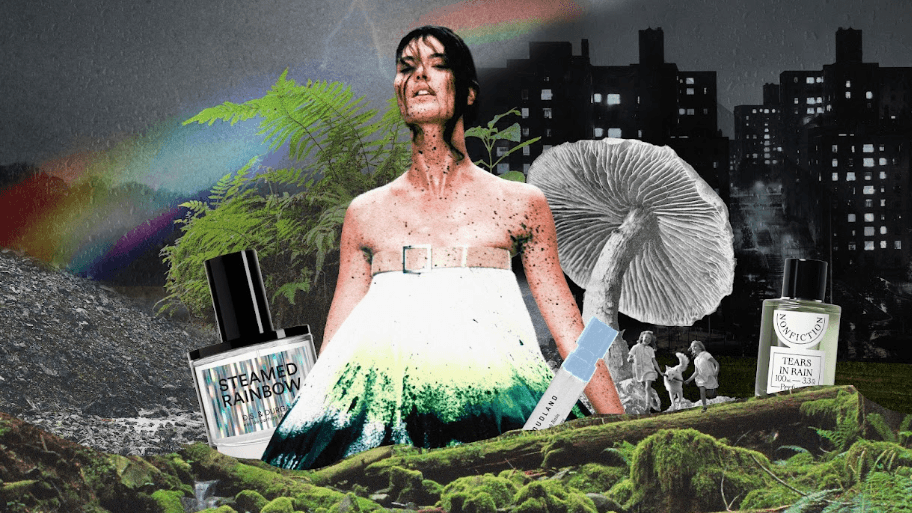
The word petrichor was coined in 1964 by Australian mineralogists Isabel Joy Bear and Richard Grenfell Thomas, who published their research in the journal Nature. They were describing the sharp, earthy smell released when rain hits dry ground – a scent that has no single source but emerges from a chemical collision between the environment and organic matter. The name itself is a combination of the Greek words petra, meaning stone, and ichor, the fluid said to flow through the veins of the gods in mythology.
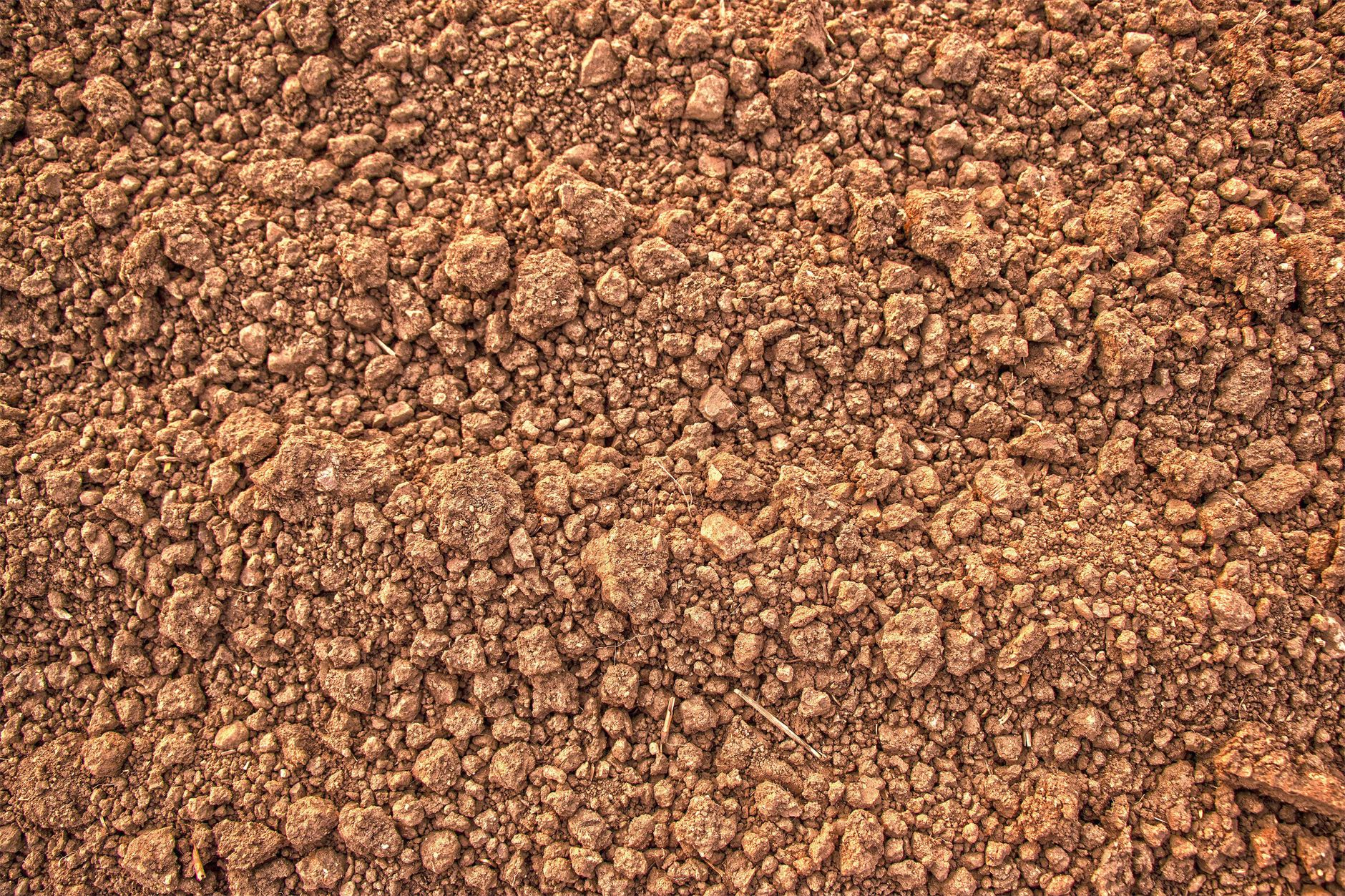
The dominant chemical behind that smell is geosmin, a compound produced by soil bacteria called Streptomyces. When raindrops hit dry earth, they trap tiny air bubbles that burst and release aerosols – carrying geosmin and other volatile compounds into the air. That is the smell. It is bacterial, geological, and atmospheric all at once, which makes it a genuinely strange candidate for a luxury fragrance note.
Human noses are extraordinarily sensitive to geosmin. The detection threshold sits at around 5 parts per trillion, which means people can smell it at concentrations far lower than most other aromatic compounds. That sensitivity likely has evolutionary roots – the smell of rain on dry land may have signaled water sources or changes in weather to early humans. Whatever the biological reason, the response is immediate and almost universally recognized.
Perfumers working in the petrichor space are not bottling geosmin directly – it is an unstable compound that degrades quickly and smells intensely of beets at high concentrations. Instead, they build the effect through a combination of synthetic molecules, mineral accords, and green or ozonic notes that together suggest wet stone, turned earth, and cool air. The approximation is close enough that the emotional response tracks: people smell these fragrances and feel something that reads as summer rain.
Why This Trend Is Finding Its Audience Now
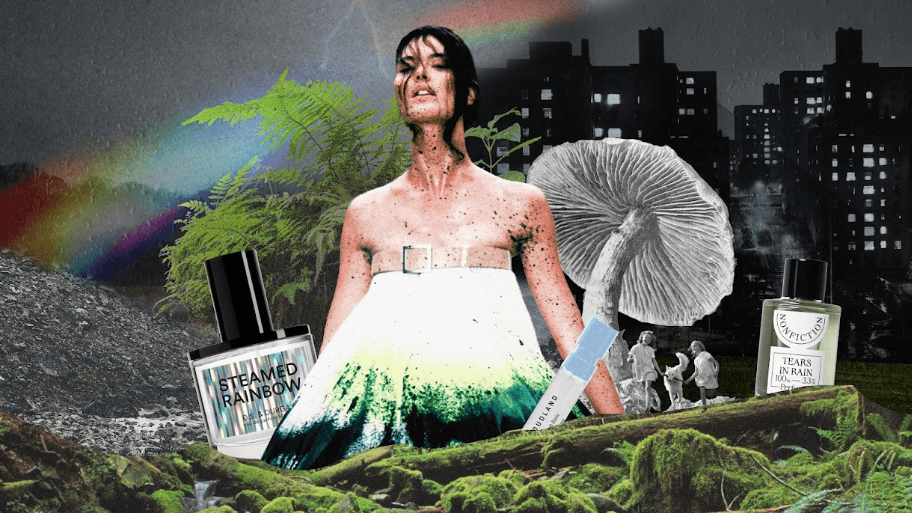
Fragrance as a category has been moving steadily away from the clean floral and citrus profiles that dominated the early 2010s. Gourmands gave way to musks, musks gave way to skin scents, and now a broader appetite for atmospheric and nature-derived accords has opened space for something as unconventional as rain-soaked dirt. Petrichor sits in that territory – it is not pretty in the traditional sense, but it is specific, and specificity is exactly what the current fragrance consumer is seeking.
The trend also reflects a larger cultural pull toward sensory nostalgia. Summer, specifically the dog days of it – the stretch of relentless heat between late July and mid-August – creates a particular kind of longing for relief. The smell of the first rain after a dry spell is one of the most viscerally remembered experiences people associate with that season. A fragrance that can summon that feeling without any rain in sight has obvious appeal when temperatures are sitting in the high nineties.
Brands building into this space are framing petrichor less as a note and more as an experience. The marketing language leans on humidity, on negative ions, on the particular emotional weight of a summer storm arriving. That framing positions these fragrances outside the usual lifestyle categories – they are not spa scents, not date-night scents, not office scents. They occupy a more atmospheric register that is harder to classify and, for the consumer who finds it, harder to replace.
The timing aligns with a broader interest in functional fragrance – the idea that a scent can do something beyond smelling good. Petrichor perfumes are positioned partly as mood tools: the olfactory equivalent of standing outside during a thunderstorm. That positioning gives them a secondary use case beyond personal fragrance, including in home settings and wellness contexts. Some buyers are layering them with heavier woody or resinous bases to create something warmer and longer-lasting than the top-note freshness petrichor naturally suggests.
Independent perfumers have been working with petrichor accords for years, but the note is now appearing in more accessible commercial launches – a sign that demand has reached a scale the mass market can no longer ignore. The dog days of summer, with their particular combination of heat fatigue and longing for weather change, have become the de facto selling season for this category. It is a narrow window, but the emotional hook is strong enough that it does not need to be wide.
Wearing Rain as a Fragrance Choice
Petrichor fragrances tend to perform differently on skin than in the bottle. The mineral and earthy components interact with individual body chemistry in ways that can push the scent warmer or cooler depending on the wearer, which makes sampling before committing more important here than with straightforward floral or citrus profiles. The drydown – the phase after initial application when top notes fade and the fragrance settles – often reveals something closer to clean skin with a faint mineral edge than the dramatic storm opening suggests.

What makes this category genuinely interesting is the gap between concept and execution. The smell of rain on dry earth is one of the most immediately recognizable scents in human experience – and the chemistry behind it involves bacteria, geology, and atmospheric physics. Perfumers are essentially asking a synthetic fragrance architecture to carry all of that weight. Whether it fully lands depends on the formula, and on whether the person wearing it has ever stood outside, shoes wet, watching a summer storm break over cracked ground.