






When the Treatment Itself Becomes the Problem
There is a version of laser hair removal that works – smoother skin, no razor bumps, no cycle of irritation and hyperpigmentation that never quite resolves. And then there is the version that leaves you with a scar and a decade of distrust. For one woman, both versions are part of the same story, separated by years of inconsistent appointments, wrong clinics, and a single technician who finally got it right.
The stakes around laser hair removal for people with melanated skin are not abstract. The wrong laser settings, an inattentive technician, a single missed detail – and the damage is permanent.
By 2015, after years of shaving that irritated her skin and waxing that was simply painful, laser hair removal had stopped feeling like a luxury. The bumps kept coming back. The hyperpigmentation stayed. At that point, it felt less like a cosmetic choice and more like a medical one.

What Went Wrong the First Time
The incident that set off nearly a decade of hesitation happened during an underarm laser session. The technician never asked whether she had a tattoo in the treatment area – and never covered it before beginning. The laser burned part of the tattoo. The scar is still visible today. It is the kind of mistake that should not happen at a professional clinic, and yet it did, and the person receiving the treatment had no way to anticipate or prevent it.
What followed was not a clean break from laser hair removal, but something more complicated. She continued trying it, on and off, at different places over the years. Some sessions produced results. But the hair always came back eventually, and no clinic managed to build enough trust to keep her coming back consistently. For close to a decade, the relationship stayed fractured – part necessity, part fear, never resolved.
Underlying all of it was a specific concern that went beyond any single bad experience: whether laser clinics, broadly, actually understood how to treat melanated skin safely. It is a legitimate question with real clinical weight. Darker skin tones require different laser wavelengths and calibration to avoid burns, scarring, and post-inflammatory hyperpigmentation. Not every clinic trains for this. Not every technician knows what questions to ask before picking up the device.


The Appointment That Changed the Pattern
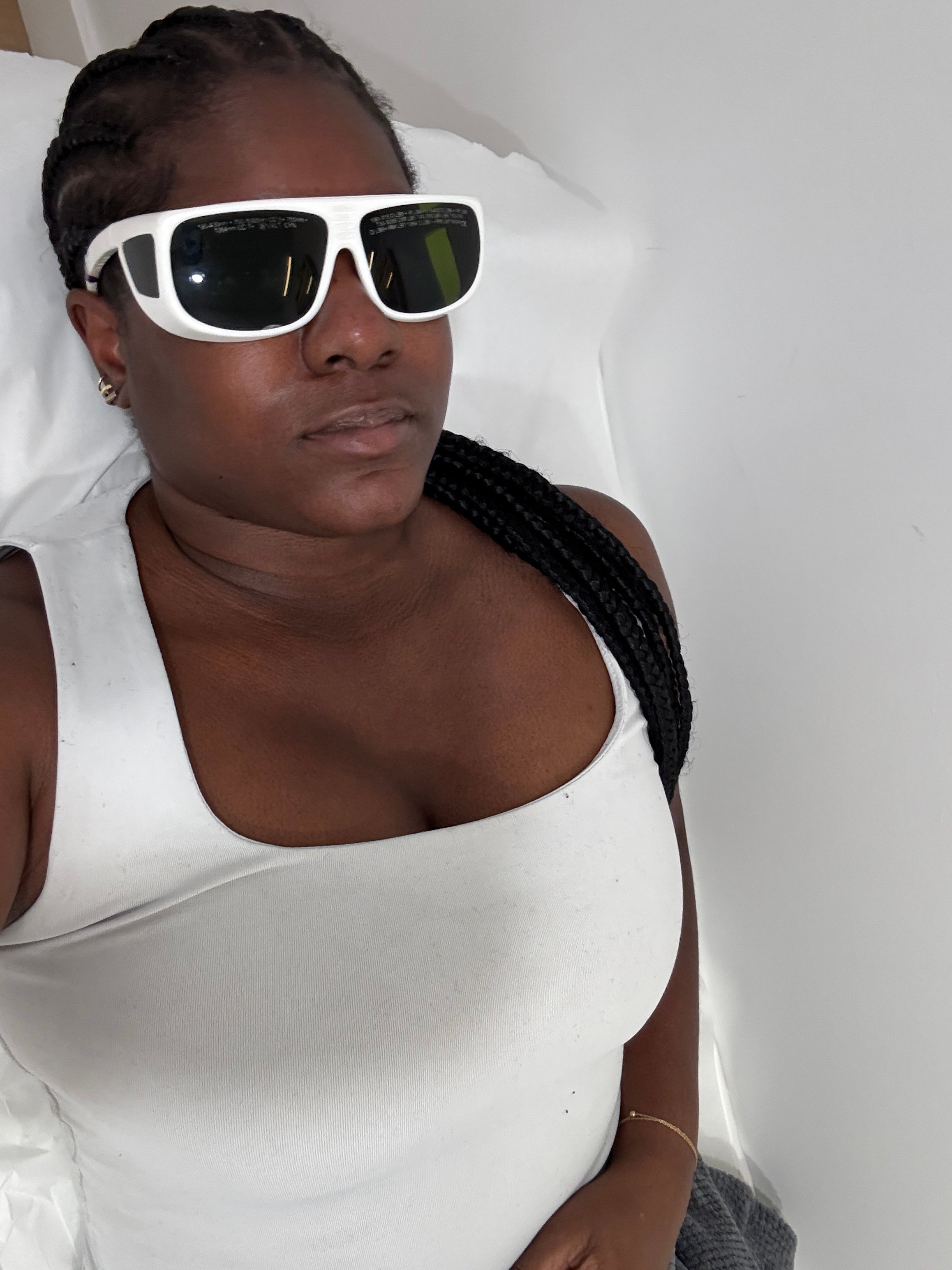
The shift came when she went to Milan Laser Hair Removal. The detail that mattered first was not the equipment or the consultation process – it was who walked through the door. Her technician was Black. “You don’t know how happy I am to see you,” she told her. The technician smiled and said, “I’m happy to see you too.” That exchange, small on the surface, carried the weight of everything that had gone wrong before it.
Representation inside a treatment room is not a soft benefit. When a patient has been burned – literally – by a provider who did not understand her skin, seeing a technician who shares her skin tone signals something concrete: this person has the same skin, likely encountered the same questions, and probably trained with these concerns already present rather than as an afterthought. It is not a guarantee of quality, but it changes the starting point of trust entirely.
Milan Laser Hair Removal operates as a national chain, which means its protocols and training are standardized across locations. For someone who spent years moving between clinics with inconsistent results and one serious injury, that kind of institutional consistency – combined with a technician who understood the specific demands of melanated skin – finally produced the experience she had been trying to find since 2015. The intersection of business structure and personal identity has always shaped how Black consumers navigate beauty industries – and laser hair removal is no different.

What This Means for Anyone Considering It
The lesson sitting inside this story is not simply “find the right clinic.” It is that the right clinic, for someone with melanated skin, requires specific things: technicians trained on a full range of skin tones, equipment calibrated for darker complexions, and a consultation process that actually surfaces important details – like whether a patient has tattoos in the treatment zone – before the session begins. These are baseline requirements, not premium features. The fact that they are not universal is why a scar exists that should not.
Ingrown hairs, razor bumps, and hyperpigmentation from repeated shaving or waxing are not cosmetic inconveniences. For many people, they are chronic, they affect comfort in daily life, and they do not resolve on their own. Laser hair removal, when done correctly, addresses all three – but “when done correctly” is doing a lot of work in that sentence, and for too many patients, correctly has taken years to find.
She still has the scar from that first technician who never asked about the tattoo.