






From Dominican Salons in the Bronx to a Decade in Hip-Hop
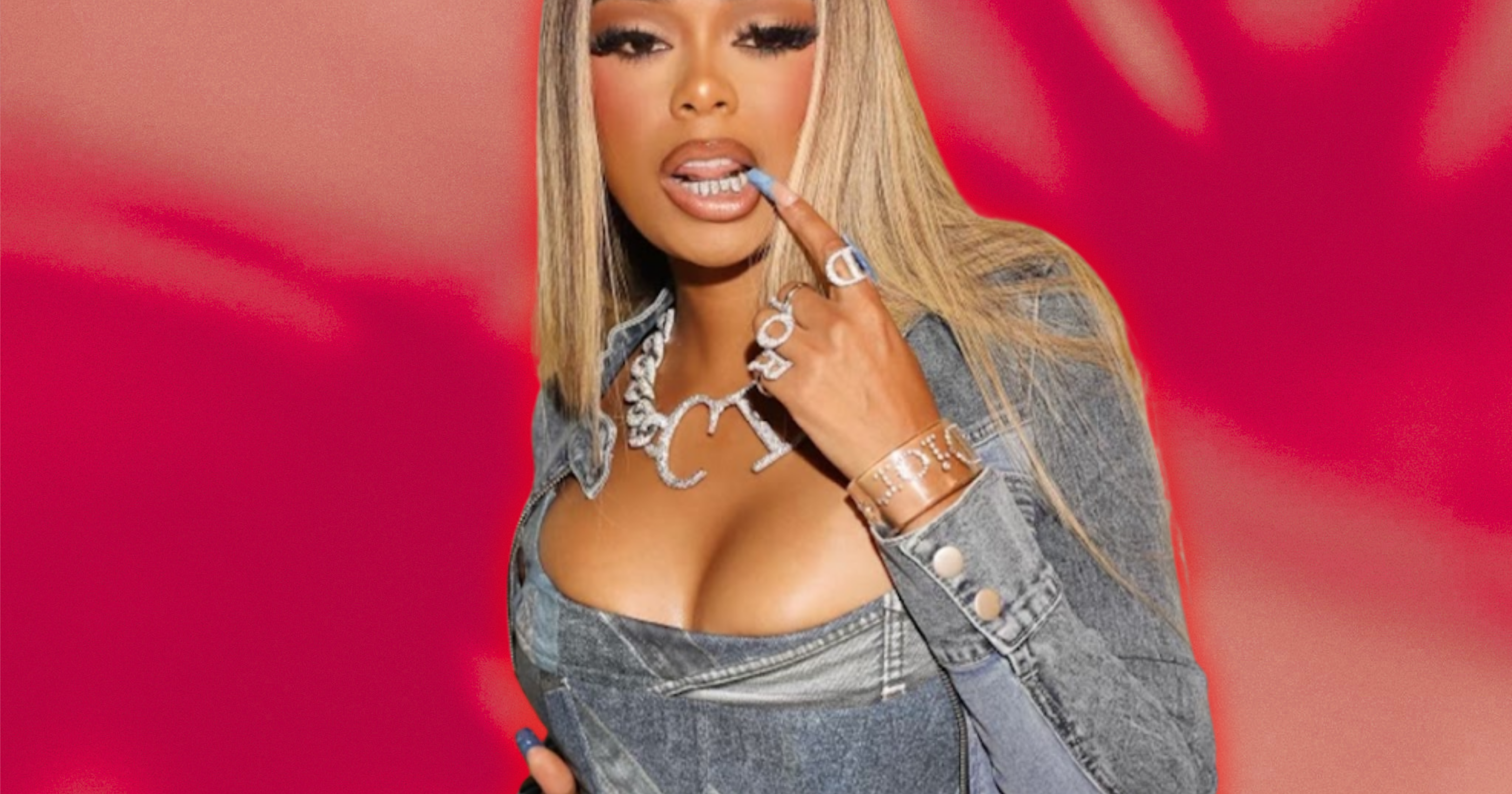
Before the rap name, the executive producer credit, or the million-plus fanbase, there was a three-year-old named Zaire Stewart getting her hair washed and pressed at Dominican salons in New York City – the same salons she still walks into today.

The Women Who Shaped Her
Zaire Stewart’s earliest memories of beauty weren’t passive. Her mother dressed her in DKNY and Moschino as they moved between the Bronx and New Jersey, and the women around her treated personal presentation as something deliberate and serious. That environment didn’t just shape her aesthetic – it wired her relationship to identity from the ground up.
The name Lady London didn’t come from a branding session. An aunt with a deep interest in global politics and anti-apartheid messaging suggested it. That detail matters: her public persona has roots in intellectual and political consciousness, not just street credibility or industry positioning.
Her love of literature carried her from childhood through college, and by 2018, that foundation had evolved into a genuine interest in music. What followed was nearly a decade of building – a career, a voice, and an audience that now exceeds one million people. The timeline wasn’t overnight, and she doesn’t frame it that way.
She recently sat down with Naked Beauty to talk through how all of it came together – the presence, the confidence, the rituals, and the hard-won lessons she’s still passing on to women coming up behind her.
Confidence That Doesn’t Flinch
One of the more direct threads running through Lady London’s conversation with Naked Beauty is her composure under pressure. Industry executives and online trolls have both taken their shots. Neither has landed in a way that moved her off her position. That’s not performance – she’s clear that it took real time and real internal work to get there.
The specific tension she had to resolve was between beauty and intelligence. Lady London says she went through a period where accepting both felt like a contradiction – like the world would only let her claim one at a time. She had to decide, on her own terms, that downplaying either one was never going to be part of the deal. That decision sits underneath everything else she talks about publicly.
During the Naked Beauty segment she calls Show & Tell, Lady London demonstrates what she means in practice: how not to be baited. It’s a specific skill – knowing when a conversation is designed to pull you off-center and simply declining to go there. For someone fielding the volume of public attention she does as a rapper, poet, and executive producer, that skill is less inspirational concept and more daily operational reality.

She also opens up about what she’s learned from a hip-hop legend who has been pouring into her career – though she doesn’t name the figure publicly. That mentorship dynamic runs parallel to her own work mentoring women entering the industry, which she treats not as an optional gesture but as something she’s actively structured into how she operates.
Lady London identifies as a creative, a poet, a rapper, an executive producer, a mentor, and a hobby enthusiast. The list is long on purpose. She’s spoken before about the way women in entertainment get flattened into single-note narratives, and her public presentation is a direct argument against that reduction. The Naked Beauty interview gives her the space to hold all of it at once without editors cutting anything down to fit a cleaner headline.
Beauty Rituals and the Perfumes She Keeps Coming Back To
The conversation doesn’t stay abstract. Lady London walks through her actual beauty rituals, shares specific tips, and names the perfumes she returns to – a grounding detail for someone whose confidence is often discussed in philosophical terms. If you’re curious about how fragrance choices are shifting right now across the industry, Lady London’s preferences land in an interesting moment for that conversation.

Those Dominican salon visits that started at age three aren’t a nostalgic footnote – they’re still happening. The women who washed and pressed her hair when she was a toddler are still the women she goes back to. In an industry that cycles through aestheticians and stylists the way it cycles through trends, that continuity says something specific about how Lady London thinks about loyalty, ritual, and where she actually comes from.