





The Morning Ritual That Has Nothing to Do With Smell
There is a particular kind of morning that women with endometriosis know before they open their eyes. The body has already been busy – tightening, bloating, dragging itself through a night that sleep didn’t really touch – and by the time consciousness arrives, the damage report is already in. Getting dressed becomes an act of negotiation with a stranger.
Standing in front of a closet, nothing fits right. Not because the clothes changed, but because the body wearing them did.
Endometriosis is a condition in which cells similar to those lining the uterus grow elsewhere in the body, triggering severe pain, fatigue, bloating, and hormonal disruption that doesn’t follow a schedule or a logic. It doesn’t just alter how a body feels on a given day – it systematically dismantles the relationship between a person and that body. Yesterday’s jeans read as optimistic. The dress planned for today belongs to a version of yourself who didn’t make it in. After changing twice, it becomes clear the outfit was never the actual problem.


What You Reach for When You’ve Run Out of Control
At some point in that spiral – after the second outfit change, after the fatigue has settled in for its long stay – something small becomes available. Not a fix, not a treatment, not a cure. Just a choice. For many women living with endometriosis, that choice is fragrance. A bottle on the nightstand, a spritz before the day demands anything. It sounds faintly absurd until you’ve lived inside a body that regularly feels like it belongs to someone else.
Fragrance operates differently from almost every other element of a morning routine. It doesn’t require the body to look a certain way or perform a certain function. It doesn’t negotiate with inflammation or fatigue. A scent is applied and it stays – indifferent to what’s happening underneath it. That consistency, minor as it sounds, carries weight when the body itself offers none. It is one of the few things that can be chosen before the body starts making its own decisions for the day.
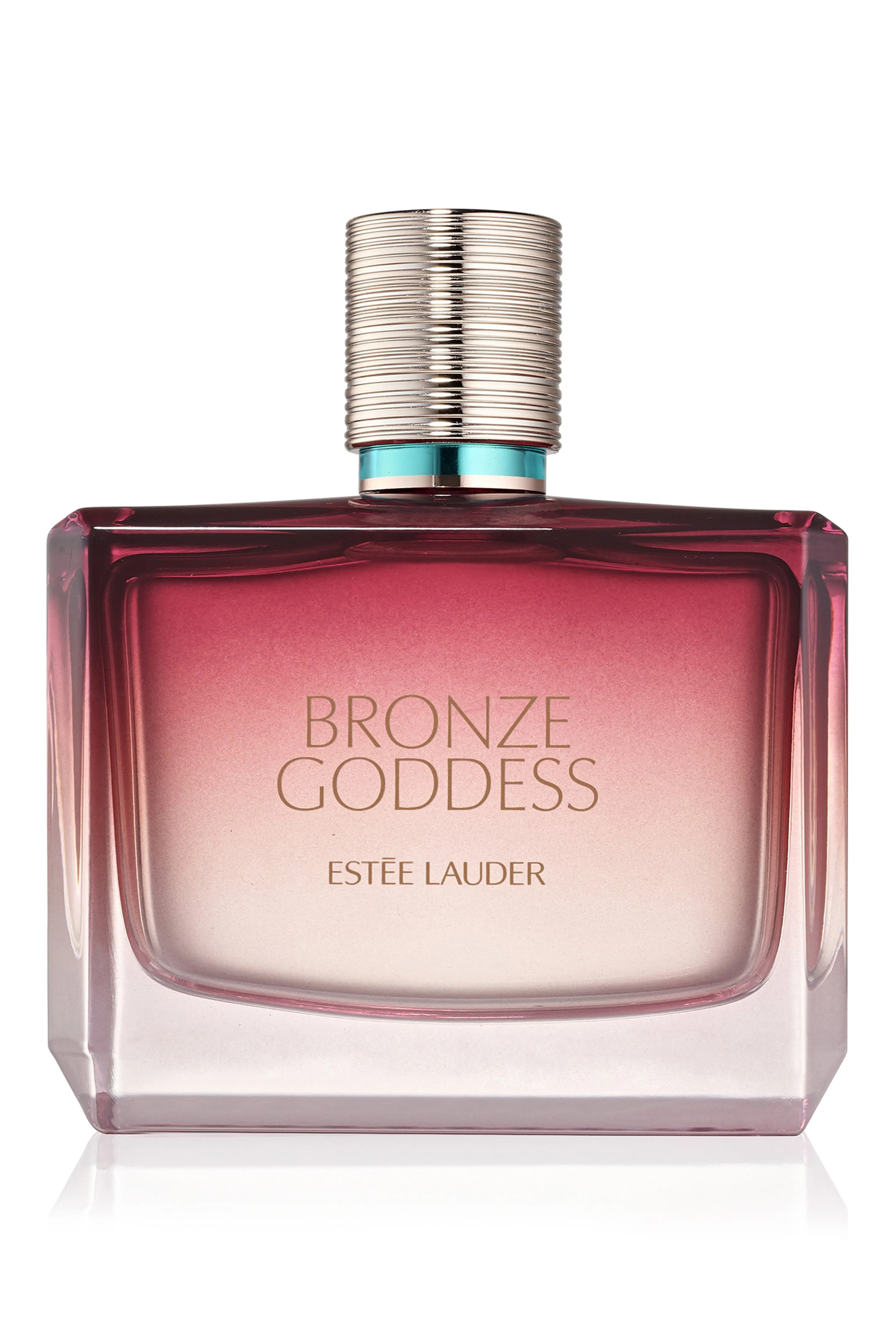
Estée Lauder Bronze Goddess has become that scent for many women navigating this condition – warm, salty, sun-drenched in a way that reads less like a perfume and more like a memory. It smells like vacations before pain had to be factored into every plan, like skin after a day at the beach, like a version of the self that existed prior to the diagnosis reorganizing everything. It’s also, notably, a scent tied to maternal connection – worn by mothers and daughters together, carrying the specific weight of that inherited intimacy. The emotional architecture of fragrance runs deeper than most beauty categories acknowledge, and for women managing chronic illness, that depth is not decorative – it’s functional.

Scent as Identity, Not Luxury
The wellness industry has long packaged fragrance as indulgence – something you earn on good days, something adjacent to bubble baths and self-care Sundays. That framing misses entirely what fragrance actually does for people whose bodies are unreliable. It isn’t about smelling beautiful. It’s about continuity. It’s a thread back to a self that existed before the condition arrived and started rewriting the terms.
Hormonal shifts caused by endometriosis mean that the body is not a stable reference point. Weight fluctuates. Energy levels collapse without warning. Pain arrives and doesn’t announce when it’s leaving. In that context, the act of reaching for the same bottle – the same bronze warmth, the same salt-and-vanilla anchor – is a form of insistence. I am still here. I was here yesterday. I’ll be here tomorrow. The scent doesn’t change even when everything else does. That’s not a small thing.
There’s also the question of memory, and what memory does to the nervous system when the nervous system is already under siege. Fragrance is processed through the olfactory bulb, which connects directly to the brain’s limbic system – the region governing emotion and memory. A scent tied to warmth, safety, or a specific summer before everything got complicated doesn’t just evoke nostalgia. It briefly rewires the emotional register of a difficult morning. Bronze Goddess doesn’t smell like illness. It smells like being somewhere else, someone else – or rather, like being the same person in a body that wasn’t fighting itself. That distinction matters enormously to the women who wear it for exactly this reason.
This is what the conversation about chronic illness and beauty so often skips: the tools that matter most aren’t the ones targeting the condition. They’re the ones that exist just outside its reach.

The Bottle That Stays Constant
Estée Lauder Bronze Goddess, passed between a mother and daughter as a summer ritual, becomes something different when one of them is managing a chronic pain condition. It doesn’t stop being a summer scent. It becomes, also, a lifeline – a small, portable proof that some things remain intact. The version of yourself who wore it before the diagnosis still lives inside the same bottle. She didn’t go anywhere. She’s just harder to find on certain mornings, in certain bodies, in certain outfits that didn’t survive contact with reality.
There is no elegant resolution here. Endometriosis doesn’t offer one. The bloating returns. The fatigue recycles itself. Some mornings, the closet still feels impossible, and the body wearing the clothes is still a stranger. But the bottle is still on the nightstand, and the choice to reach for it is still available – which is, on the worst days, exactly enough to matter. Not comfort in the soft sense. Something harder than that: evidence of continuity in a condition that specializes in erasure.
And if Bronze Goddess runs out mid-flare, in the middle of a month that was already costing too much – what then?