






Content warning: This article includes discussion of eating disorders.
The conversation around Ariana Grande has shifted – and not in a direction anyone wanted. The singer, Academy Award-nominated for her role in Wicked and currently on her Eternal Sunshine world tour, has spent years building one of pop music’s most discussed careers. But the discussion dominating her name right now has nothing to do with her vocal range, her album Petal, or her acting. It has to do with how thin she looks, and whether the people around her are paying attention.
It started gathering real momentum in 2024, during press for the Wicked franchise, when photos of Grande and co-star Cynthia Erivo circulated showing both women noticeably thinner than before.

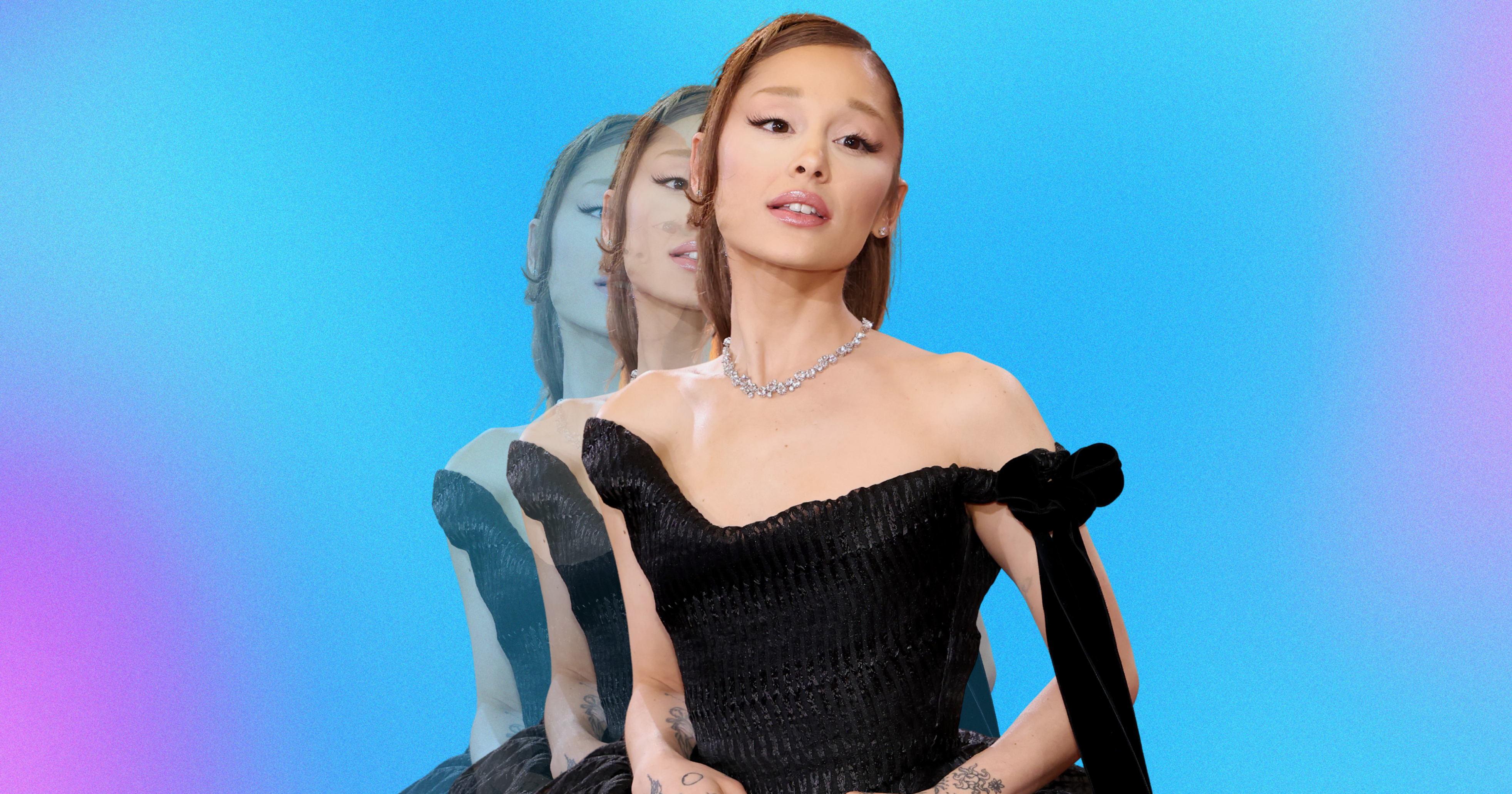
Speculation followed immediately – about causes, about context, about who was responsible for noticing. Then came Wicked: For Good in 2025, where Grande appeared more frail onscreen. Then the tour footage. Each new image added weight to a concern that fans had been expressing, awkwardly, persistently, for months. By July 31, when Grande dropped the music video for “Petal” – the title track off her latest album – the worry had become something much louder.
What the “Petal” Video Actually Shows
The video is not subtle about its subject matter. Grande plays a character named Pepper, an actress on a relentless audition circuit, told repeatedly that she is not enough – not the right look, not the right energy, not the right version of herself. Pepper adjusts with each rejection, trimming and reshaping to meet expectations that keep moving. The allegory is direct enough that very few viewers missed it.
Grande appears throughout the video visibly thin and frail. The most commented-upon moment involves a black bodysuit – styled in the vein of Sandy’s finale look in Grease – that made her ribcage and clavicle clearly visible onscreen. Since the video’s release, the comments section has filled with messages from fans struggling to articulate something between worry and grief.

“It’s not about wanting the old Ariana back. It’s about wanting her to be healthy,” one fan wrote. Another: “Seeing her ribcage and clavicle is truly terrifying. I hope she gets the help she needs soon or at least someone close to her steps up.” These aren’t the usual parasocial projections fans throw at celebrities. They read more like dispatches from people who feel like they’ve been watching something happen slowly, in public, and have run out of ways to say so.
The Problem With How We’re Talking About This
There is a real tension in how public concern about a celebrity’s body gets expressed online – even when that concern is genuine. Commenting on anyone’s thinness, regardless of intent, risks reinforcing the very framework that equates visible weight loss with value or discipline. At the same time, the alternative – silence, the polite pivot to album reviews – carries its own cost when the person in question is performing on a world tour and releasing videos that appear to address the psychological machinery of body image directly.
Grande has not publicly confirmed or denied any eating disorder diagnosis. What she has done is release a video in which her onscreen surrogate is ground down by an industry demanding she be something other than what she is, across audition after audition, until the version of herself left standing is barely recognizable. Whether that is art processing experience, or a coded message, or neither – it has landed hard on an audience that has been watching her get smaller for two years.
The “Petal” album and its promotional cycle arrive at a moment when the entertainment industry’s relationship with women’s bodies is under more scrutiny than it has been in decades, with ongoing conversations about casting pressures, industry standards, and the gap between what is privately demanded of female performers and what is publicly acknowledged. Grande, who built her public image on a kind of exaggerated, cartoonish femininity – the oversized ponytail, the tiny silhouette – has always operated inside those pressures. The question now being asked, loudly and in her comments section, is whether those pressures have cost her something serious.


On July 31, hours after the “Petal” video dropped, the phrase “Ariana Grande eating disorder” was trending across multiple platforms, with fans pleading directly to her management, her collaborators, and anyone adjacent to her professional life to intervene – a collective act of concern directed not at Grande herself, but at the system of people paid to be in the room with her.