







When the Weather Shifts, So Does Everything Your Skin Needs
The moment temperatures drop and central heating kicks on, skin enters a kind of seasonal crisis – barrier function weakens, moisture evaporates faster, and the dull, tight feeling that arrives with October is hard to shake. Google search data from the past week alone shows “best moisturizers for dry skin,” “cream for dry skin,” and “how to cure dry skin on face” spiking as common queries, which tracks perfectly with what aestheticians and skincare founders have been hearing in their inboxes. Fall doesn’t just change what you wear – it fundamentally changes what your skin can tolerate, absorb, and hold onto.
Summer had its own preoccupations: dermatologists pushed retinal over retinol for faster results on pigmentation, fine lines, and breakouts, while injectable polynucleotides started generating real conversation as a rival to traditional eye cream for dark circles. That chapter is closing.
Kat Burki – skin specialist, nutritional scientist, and founder and CEO of her eponymous skincare brand – has a clear read on where fall routines are heading, and several of her recommendations run counter to the advice that’s dominated beauty feeds for the past few years.

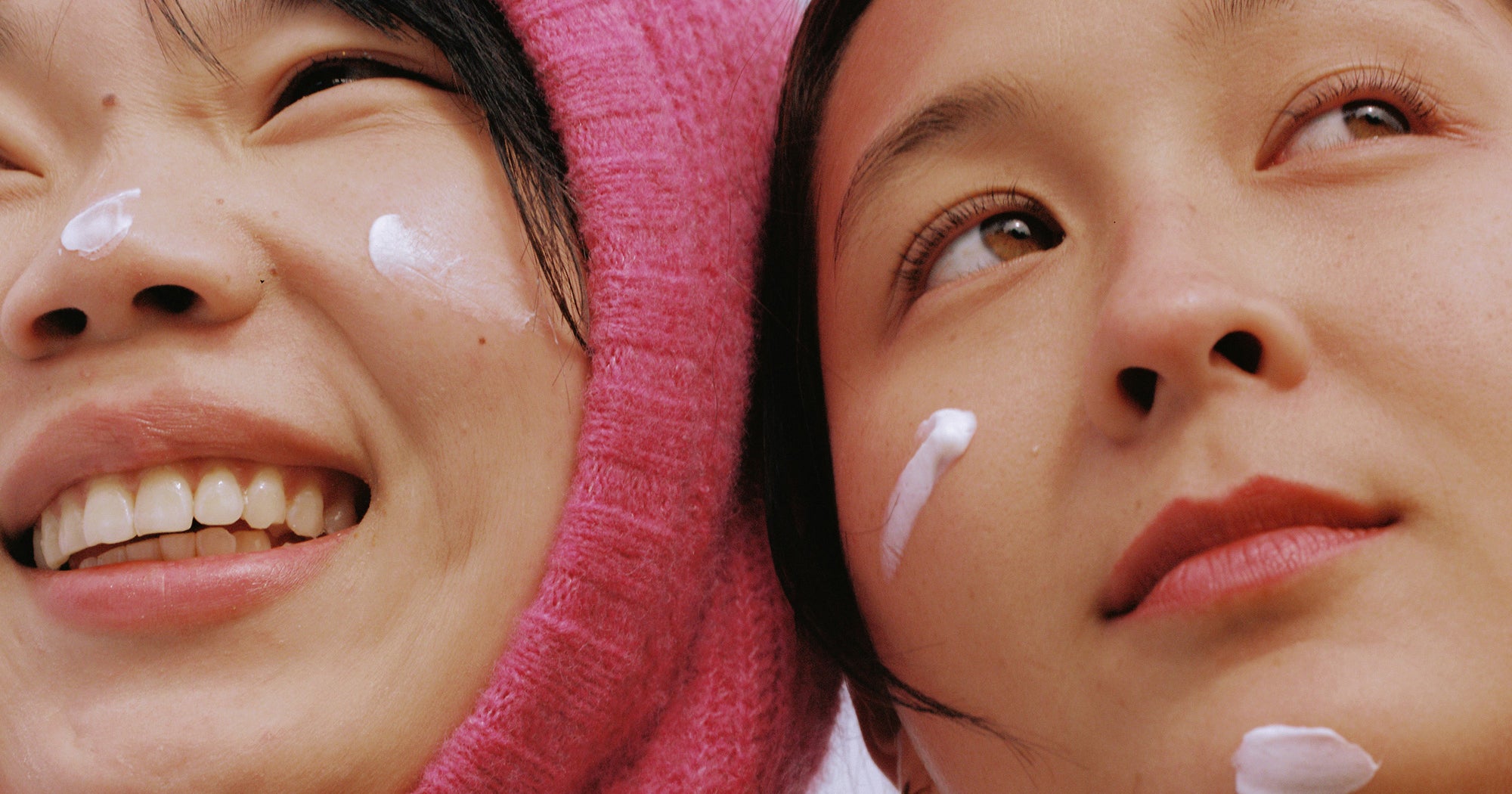
The Cleanser Reversal That Changes Everything for Dry Skin
Double cleansing at night is one of the few steps where skincare professionals have reached near-universal consensus. The standard method moves from an oil, balm, or micellar water first – dissolving sunscreen, makeup, and surface buildup – then follows with a gel or foam to clear whatever remains. Burki practices double cleansing, but she flips the sequence entirely. “I do the opposite of what other people do to get a deep cleanse without stripping the skin,” she explained. “First I go in with a gel cleanser – namely her KB5 Calming Gel Cleanser – and then I’ll use an oil cleanser. That’s because you don’t want to wash away those nutrients.”
The logic is straightforward: gel and foam cleansers do the mechanical work of loosening debris, but when used last, they can strip away the skin’s lipid layer along with everything else. Finishing with an oil cleanser instead seals hydration back in rather than rinsing it down the drain. For anyone whose skin feels tight or paper-thin after washing, this sequence switch alone could change the texture they wake up to the next morning.
Burki’s framework for fall prioritizes barrier preservation above everything else – and that philosophy shapes each of the other trends she flagged as gaining traction. The industry’s pivot toward richer textures, slower application techniques, and ingredient stacking reflects the same underlying concern: skin under cold-weather stress needs to be fed, not just cleaned.

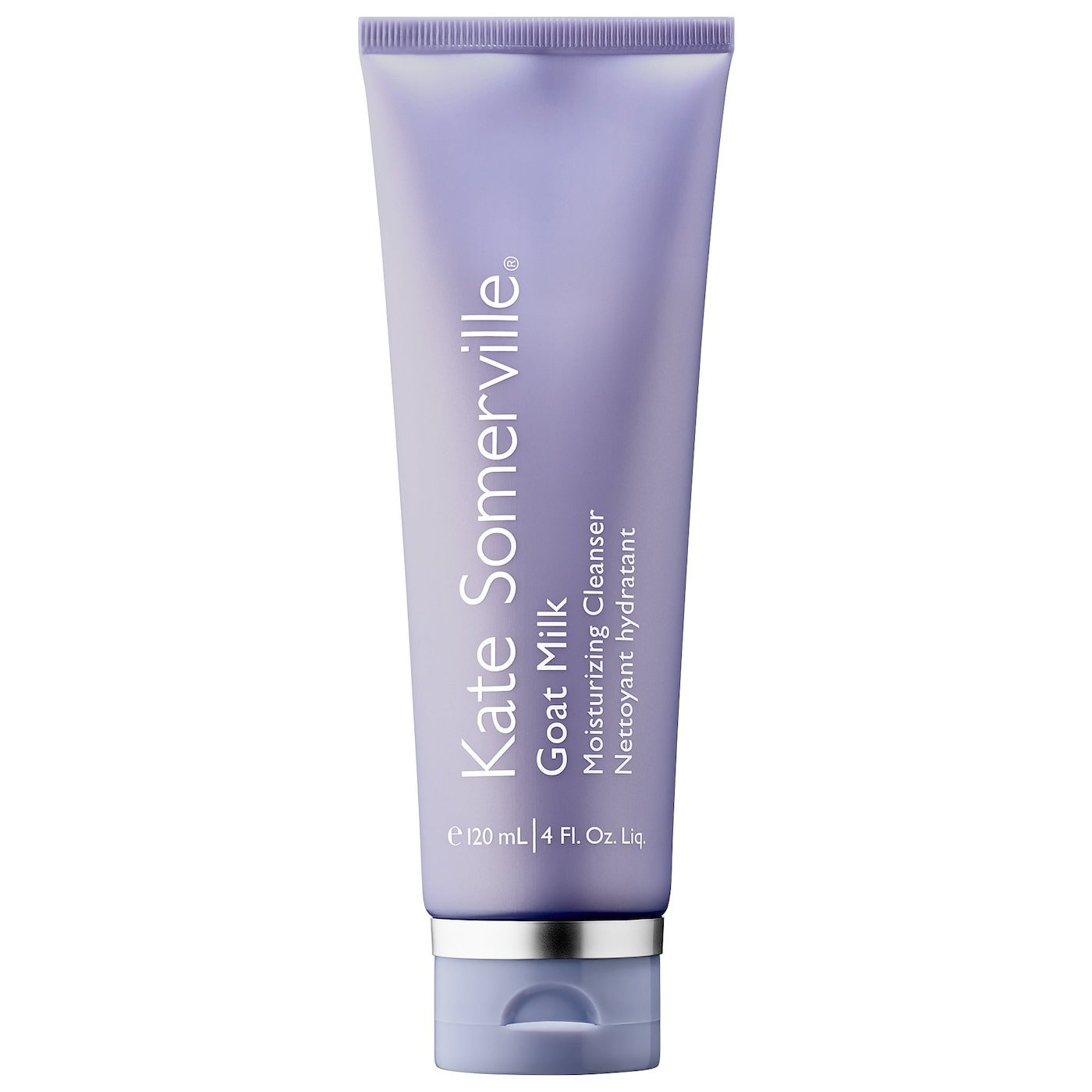
Barrier-First Thinking Is Replacing the Exfoliation Obsession
For the better part of three years, chemical exfoliation dominated the conversation – AHAs, BHAs, and a rotating cast of acids became the default answer to almost every skin complaint. That approach isn’t disappearing, but it’s being recalibrated for fall, when over-exfoliated skin in dry air can quickly tip into reactivity, redness, and sensitivity. Burki’s position aligns with a broader industry correction: the focus is shifting toward what builds and maintains the skin barrier rather than what strips and resurfaces it.
Moisturizer formulations are evolving alongside this shift. Lightweight serums that performed well in humid summer conditions often fall short once heating systems turn indoor air into a desert. Burki points to richer, more occlusive textures as the seasonal adjustment most people skip – assuming their summer routine can simply carry forward. It cannot. Vitamin D deficiency, which becomes a real factor as sunlight diminishes through fall and winter, also affects skin cell turnover and repair, making internal support – whether through diet or supplementation – part of the skincare conversation in a way it rarely is during summer months.
What Burki advocates for is less about chasing novelty and more about creating conditions where skin can function correctly on its own. That means treating cleansing, moisturizing, and protection not as three separate steps but as a continuous system where each stage either supports or undermines the next. Skin that’s been through stress – whether environmental or procedural – responds differently to seasonal change, and fall is when that difference becomes impossible to ignore.
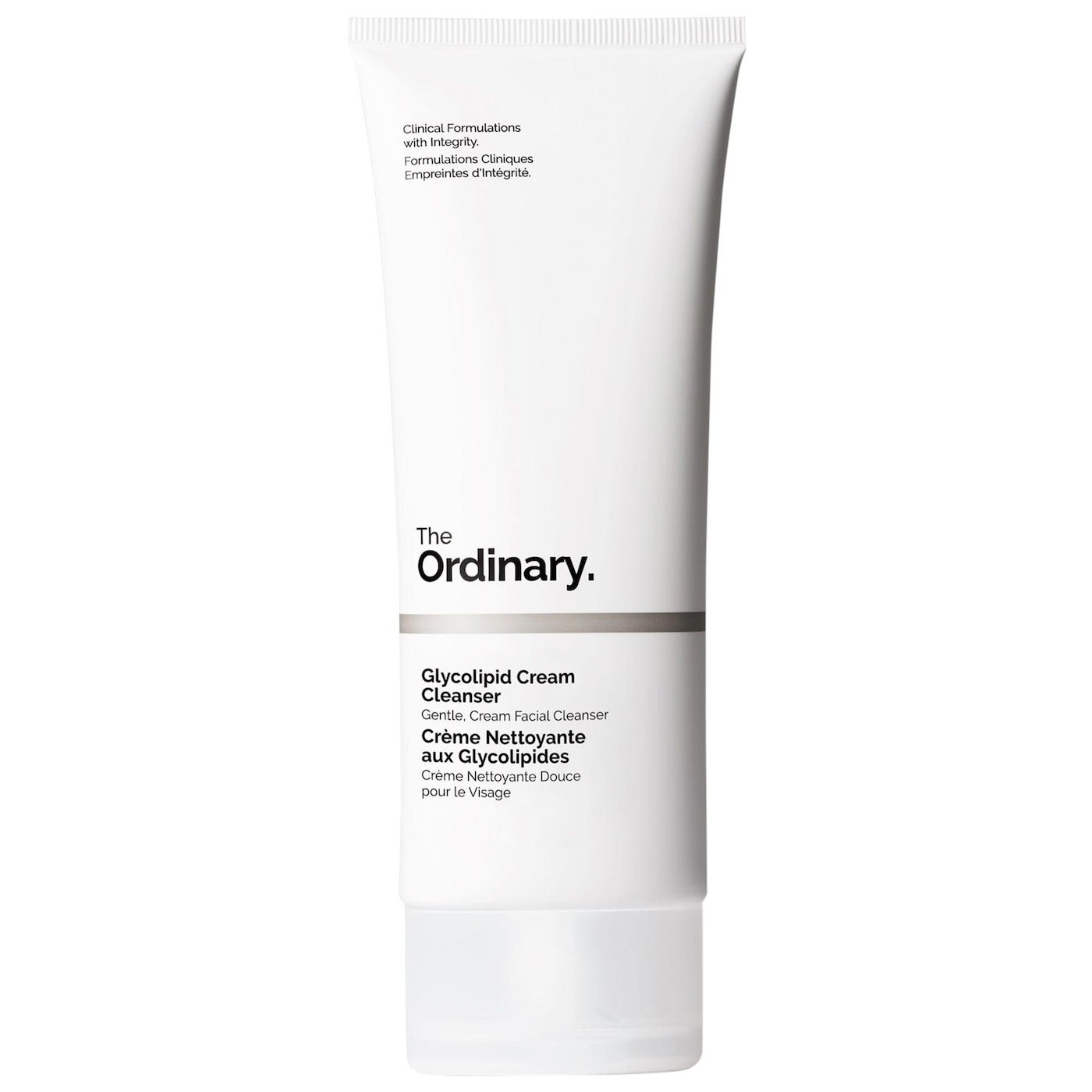
What the Next Few Months Will Actually Demand From Your Routine
Burki’s fall trends are not about adding ten new products. They’re about auditing what the current routine is actually doing – whether it’s reinforcing the barrier or quietly working against it. The reversed double cleanse is the most immediately actionable change, requiring no new purchases for anyone who already keeps both a gel and an oil cleanser on their shelf. The broader shift toward barrier-first formulations, richer textures, and internal skin support through nutrition will take longer to register, but the groundwork starts now, before the damage from cold air and indoor heating has compounded into something harder to reverse.
The question isn’t whether fall will affect your skin – it will, and the search data already shows millions of people reacting after the fact. The question is whether this is the year you adjust the routine before the tightness and dullness set in, or whether you wait until November and spend the next three months trying to catch up to a barrier that’s already been compromised.